
Route from Kyrgyzstan
Compare flights from Bishkek, connections, arrival airports, and transfers. Estimated flight duration: 4–7 nights.


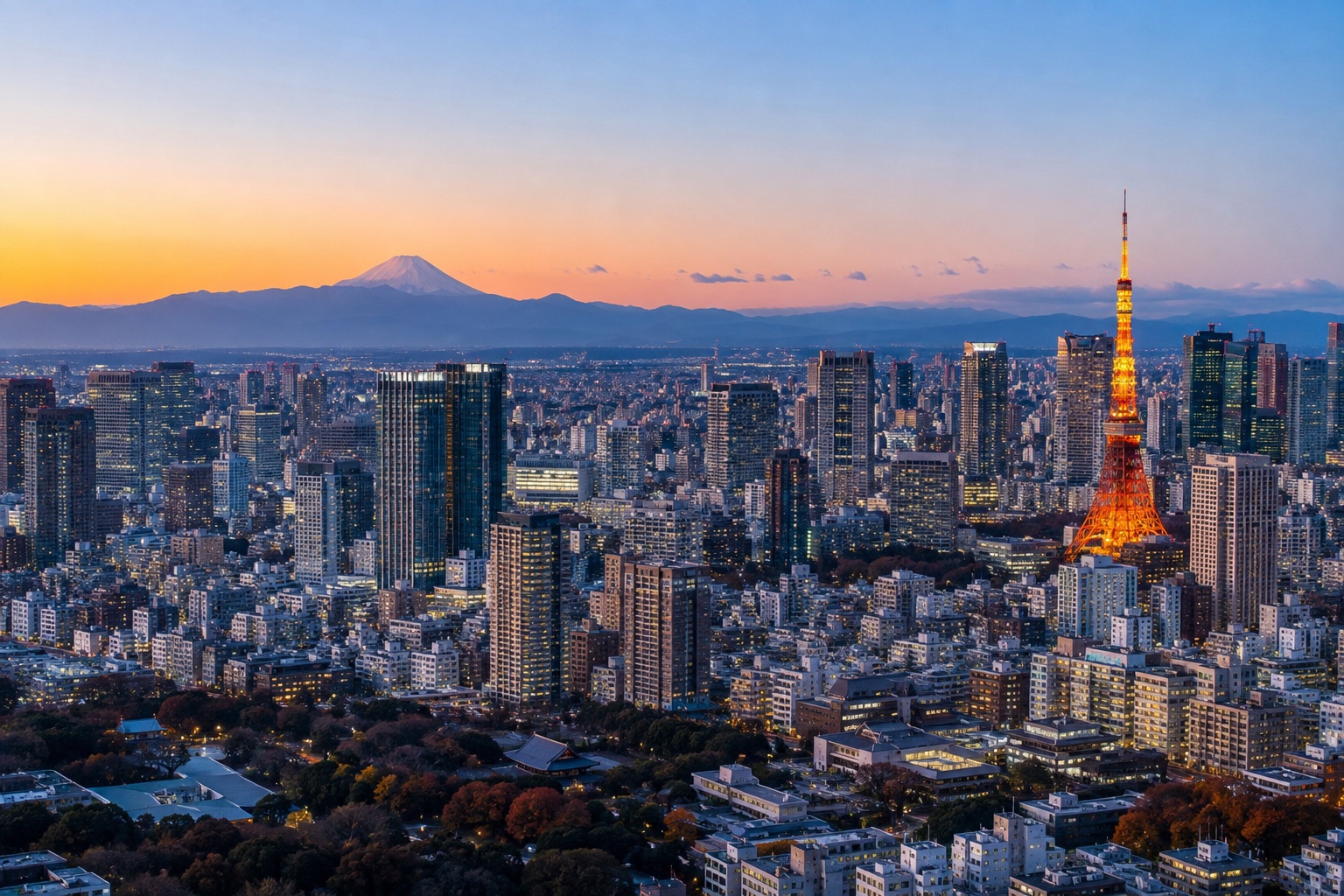
A metropolis of the future, old neighborhoods, gardens, and cuisine in one transport hub
Tokyo is made up of several distinct centers. Asakusa, Shibuya, Shinjuku, Ueno, and Ginza all have distinct rhythms, so the hotel's location determines daily logistics.
For your initial exploration, plan to visit one or two neighboring areas each day. Trips to Nikko, Kamakura, Yokohama, or the Fuji area require separate time.
Japan stretches from north to south, so there is no single season. Hokkaido enjoys snowy winters and mild summers, central Honshu has four distinct seasons, and Okinawa has a subtropical climate. Rainy seasons and typhoon risk vary by region; check the forecast before each move.
For relaxation V Tokyo Compare the route from Kyrgyzstan, season, region, hotel location, and included services. This will make it easier to choose a tour that fits your budget and travel plan.
Compare flights from Bishkek, connections, arrival airports, and transfers. Estimated flight duration: 4–7 nights.
Shibuya and Harajuku. Contemporary culture, shops, cafes and the evening city. Compare this option with other areas of the resort before choosing a hotel.
Check the route from the station to the hotel entrance. Check the room area and bed size.
The layout of the districts, beaches, transportation, food, and travel itinerary are the most important things to know before choosing a tour.
Tokyo doesn't have a single tourist hub. Plan your days around neighboring areas and a single transit route to avoid crossing the metropolitan area multiple times.
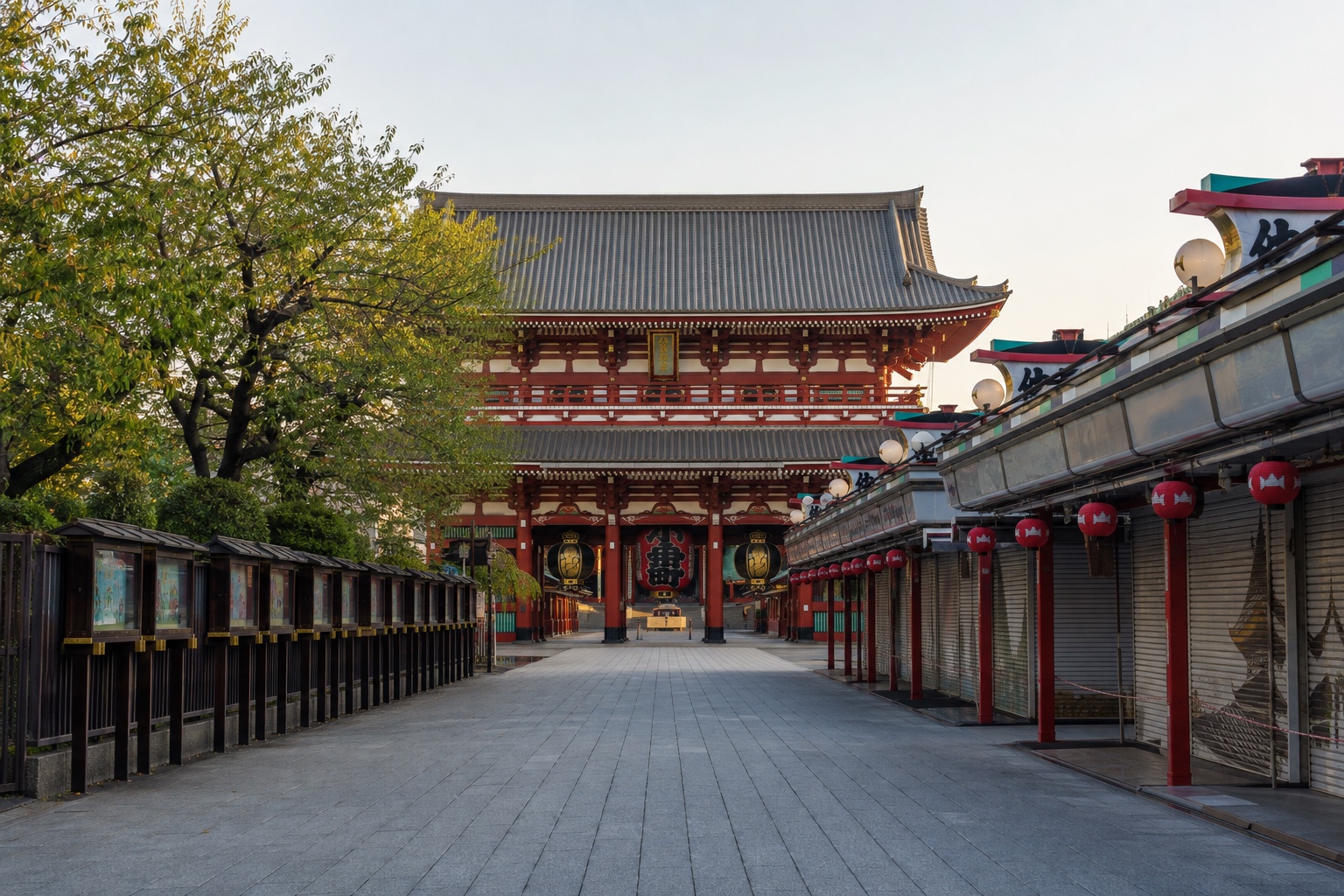
Asakusa, Yanaka, gardens, and small shrines reveal the city beyond the neon. Arrive early and respect the residential streets.
Popular digital, animation, and architectural spaces may require a time slot. Check the official calendar before booking.
Kamakura, Nikko, and Yokohama serve different purposes. Choose one destination and don't add it to your full city itinerary.
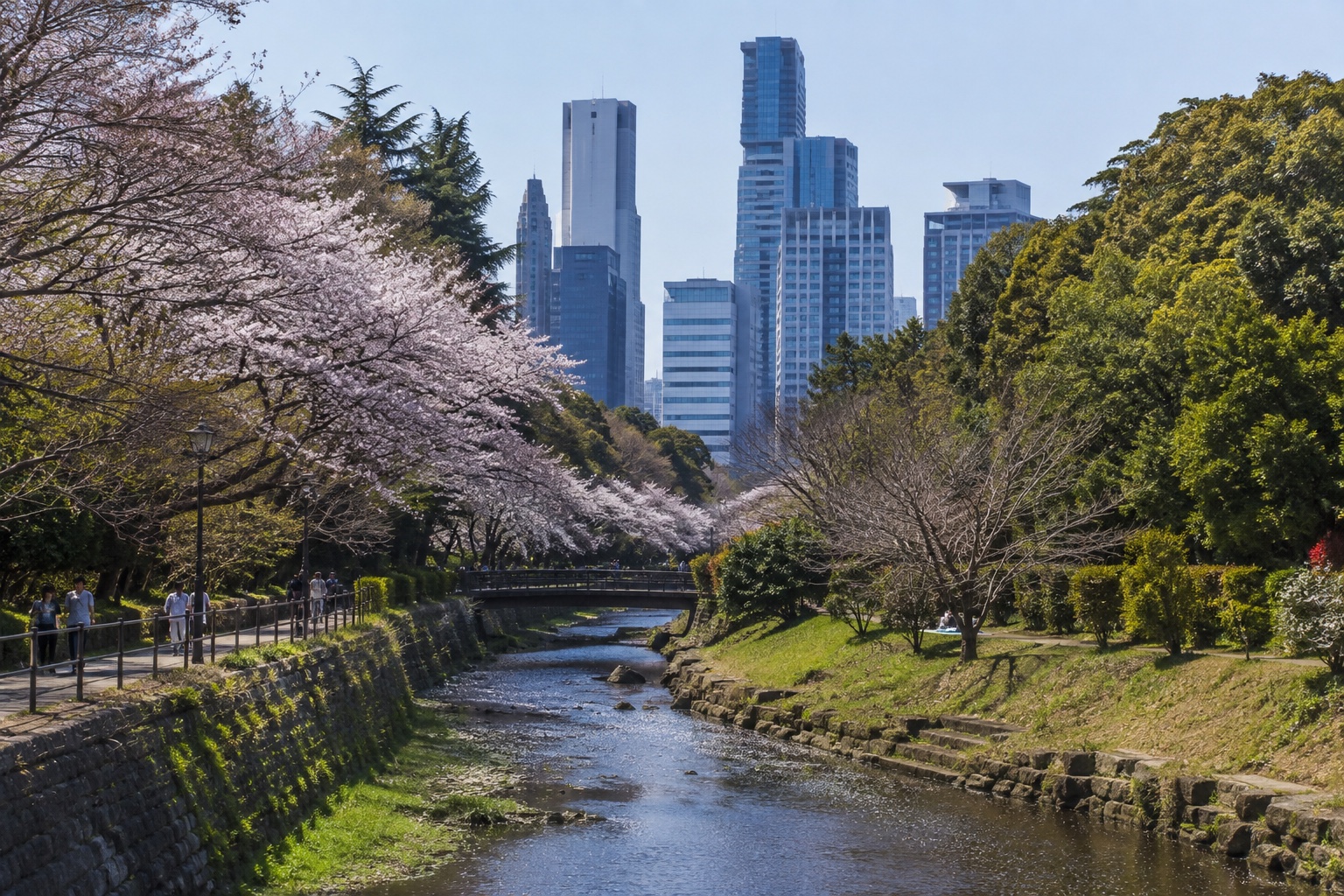
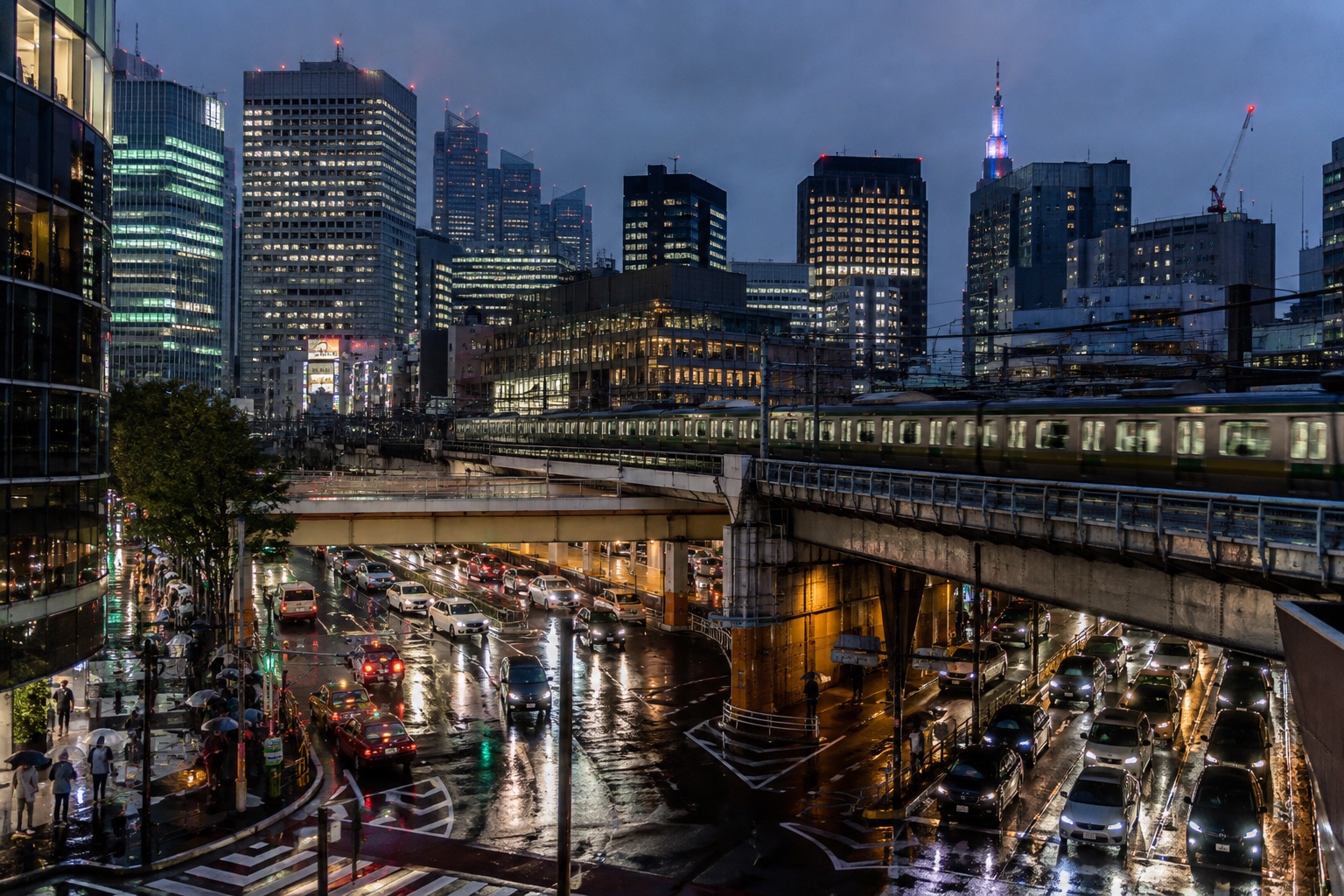
The photographs show different aspects of the destination: the coast, the natural landscape, the urban environment and the nature of the trip outside the hotel.
A ready-made guide for planning: what to include in the itinerary and what details to clarify before booking and departure.
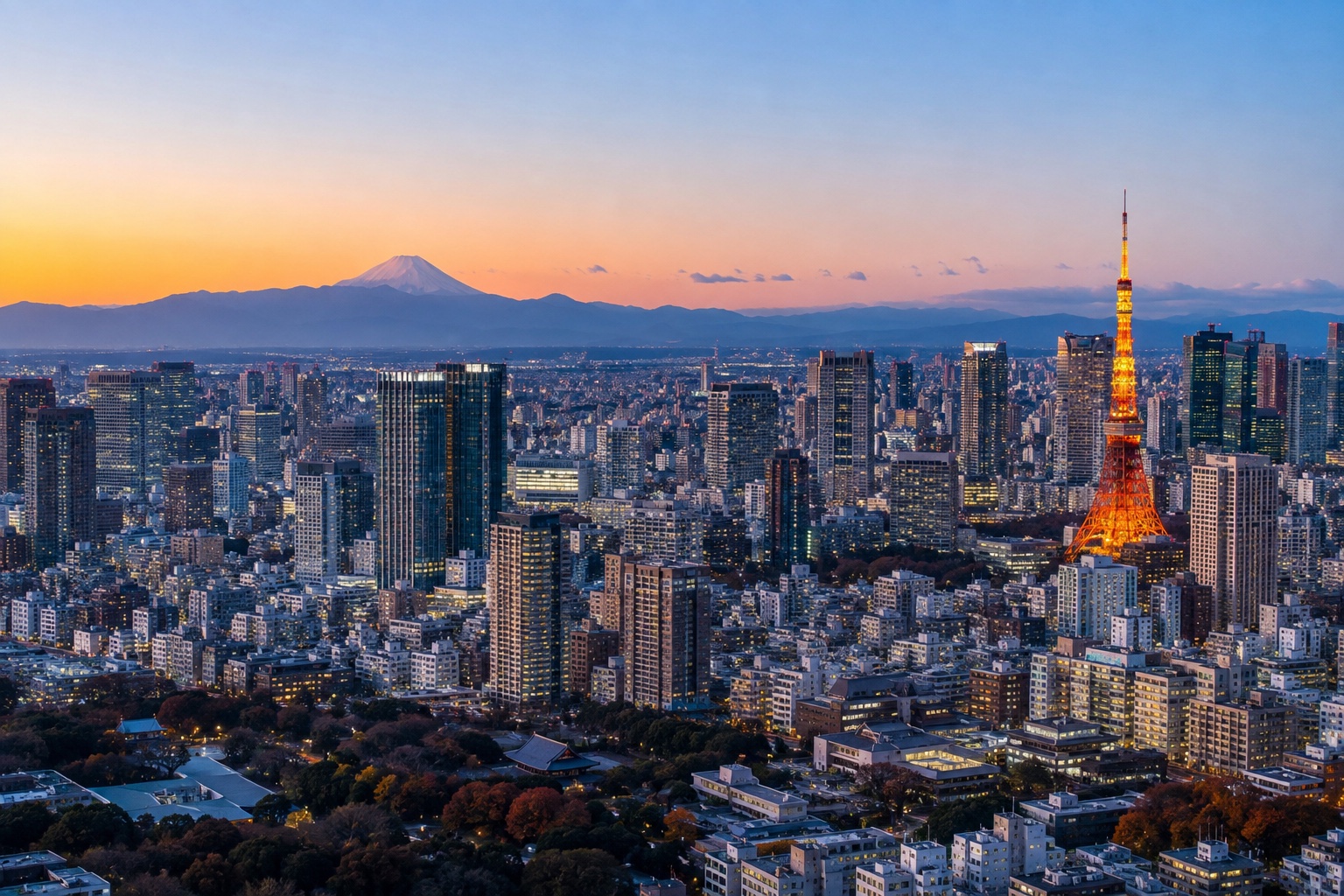
Panorama of Tokyo with Mount Fuji on the horizon
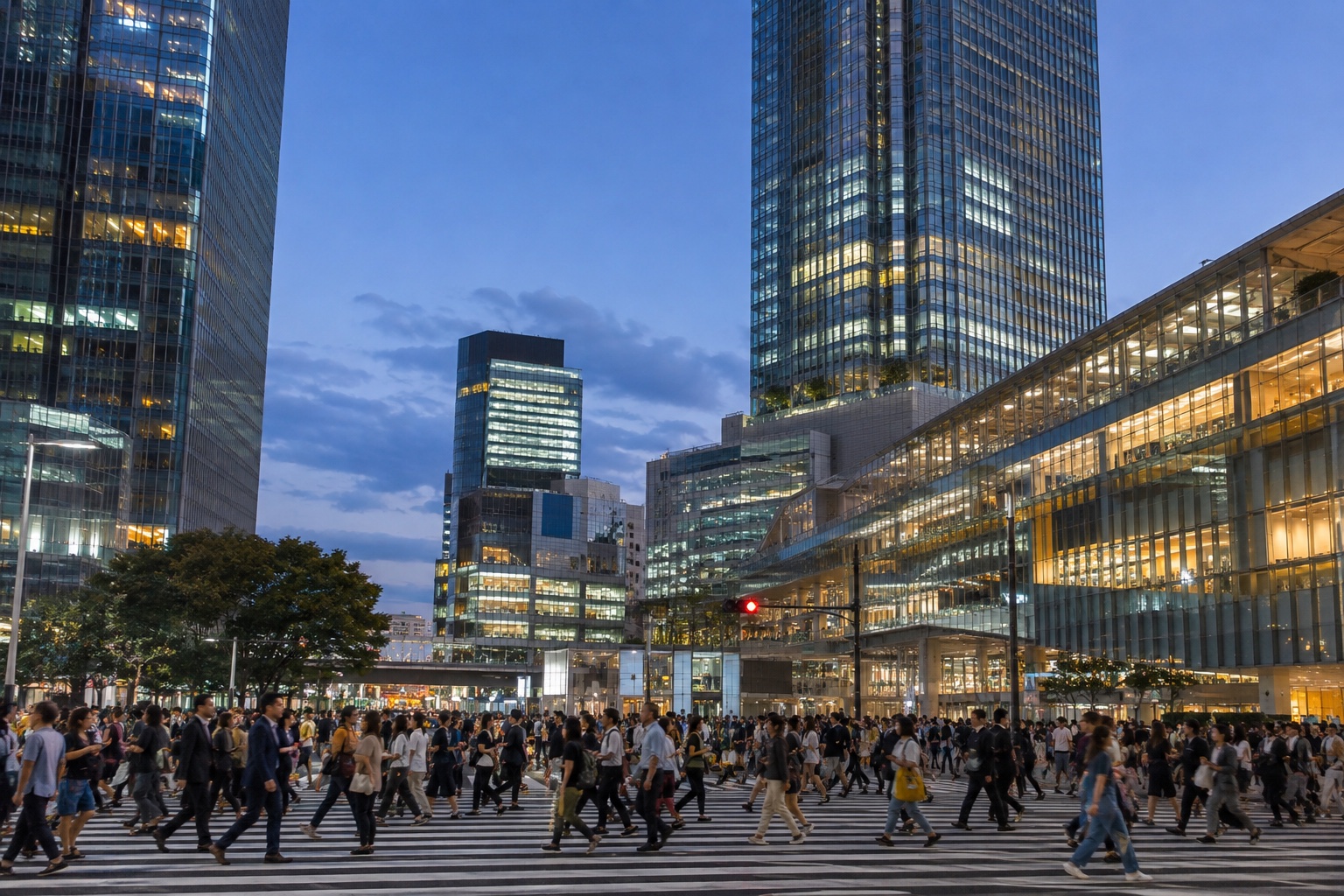
Shibuya Crossing in the evening
Senso-ji Temple and the Asakusa area
Spring Park and Tokyo Skyline
Shinjuku Streets at Night
Avoid transfers during rush hour with a suitcase.
Use a transport IC card.
Group areas geographically.
Save the last train to the hotel.
Compare areas by atmosphere, infrastructure and holiday format before choosing a specific hotel.
Contemporary culture, shops, cafes and the evening city.
Temples, museums, markets and a more relaxed historical rhythm.
A major transportation hub, panoramic views, and a convenient base for western Tokyo.
Sakura blossoms move from south to north, and the exact dates change annually. Hotels and transportation are booked in advance for popular weeks.
Most central regions are hot and humid, with rainfall occurring early in summer. Hokkaido is cooler, and the mountainous regions are ideal for enjoying nature.
After a hot start to the season, comfortable weather and autumn foliage arrive. In September and October, typhoons and transportation changes are a consideration.
Hokkaido and the Japanese Alps offer snow and skiing, the cities are quieter after the holidays, and the south and Okinawa have milder weather.
The hotel category does not replace the verification of the beach, location, room and actual included services.
Check the route from the station to the hotel entrance.
Check the room area and bed size.
Check direct transportation to the desired airport.
This is a guide for a logical trip: the exact order depends on the length of the tour, the season, and the time of arrival.
Asakusa, Ueno or Yanaka and an evening by the river.
Meiji, Harajuku, Shibuya and one panorama.
Museum by time, embankment and neighboring area.
Turayka will take into account the traveler mix, budget, diet, and hotel requirements. If automatic selection isn't enough, a specialist will step in.
A convenient location near the JR Yamanote Line or a direct subway line to your main destinations is convenient. Tokyo doesn't have a central hub.
A minimum of four full days; six to seven allows for the addition of museums and one radial trip.
The choice depends on Narita or Haneda and the area of your hotel. Compare the train, bus, and number of transfers to a specific station.
In central Tokyo, no: public transportation is faster and more convenient, but parking is expensive.
A rechargeable IC card is more convenient, but some high-speed and intercity trains require their own ticket or reservation.
You can get to know several areas, but for a relaxed program and one trip out of the city, five to seven days is better.
Describe your dates, travelers, and vacation preferences—Turaika will prepare options for review.