Departure from Kyrgyzstan
We compare flights from Bishkek to a suitable entry point and don't rely on a single airport for the entire route. For complex trips, we check all connections and baggage allowances.


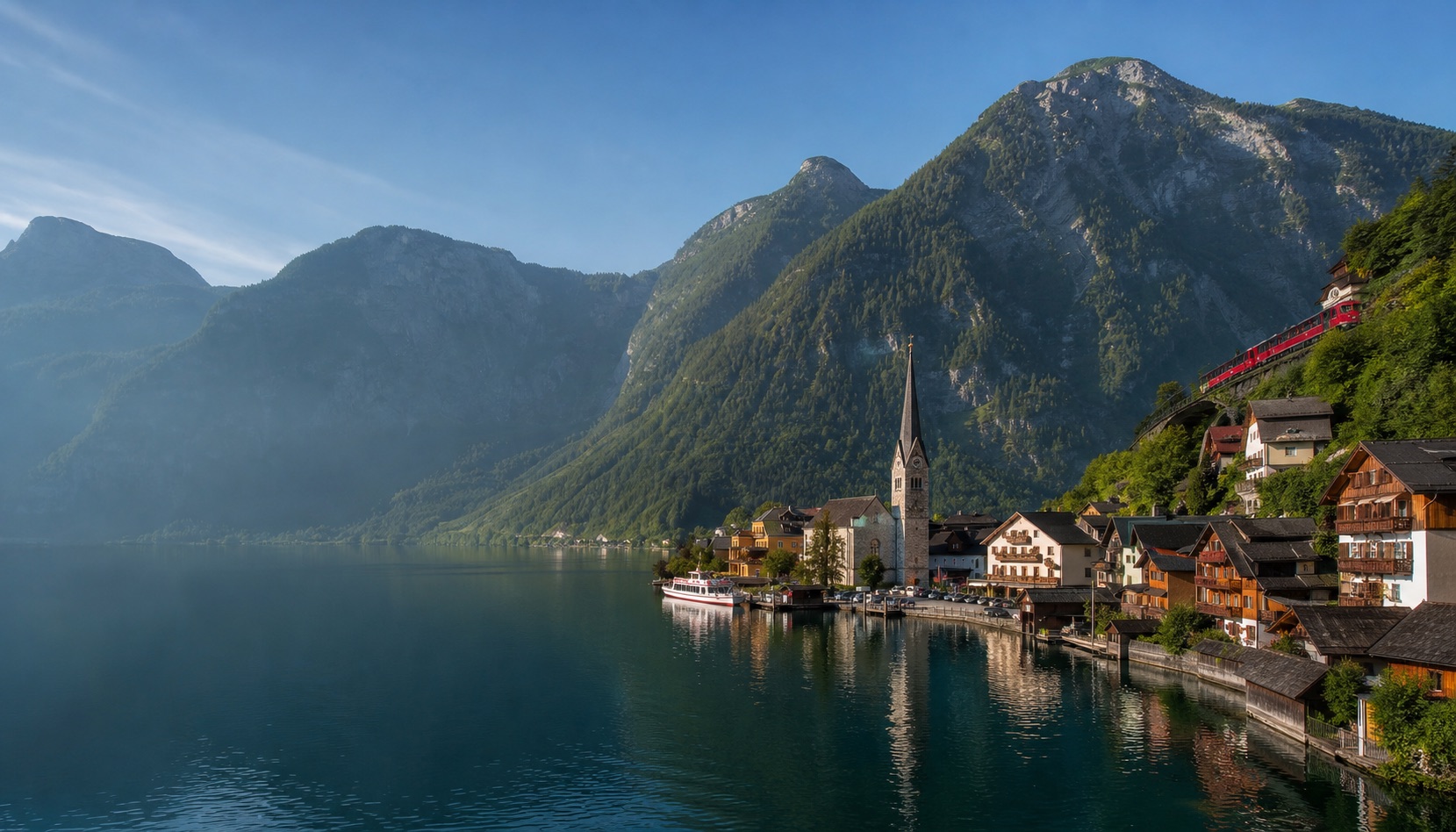
European Tours: City Breaks, Sea, Mountains, and Well-Designed Itineraries
Europe isn't just one destination, but dozens of different vacation scenarios. For your first trip, you can choose one city and its surroundings, connect two capitals by train, spend a week on the Mediterranean, or plan a circular route through several countries.
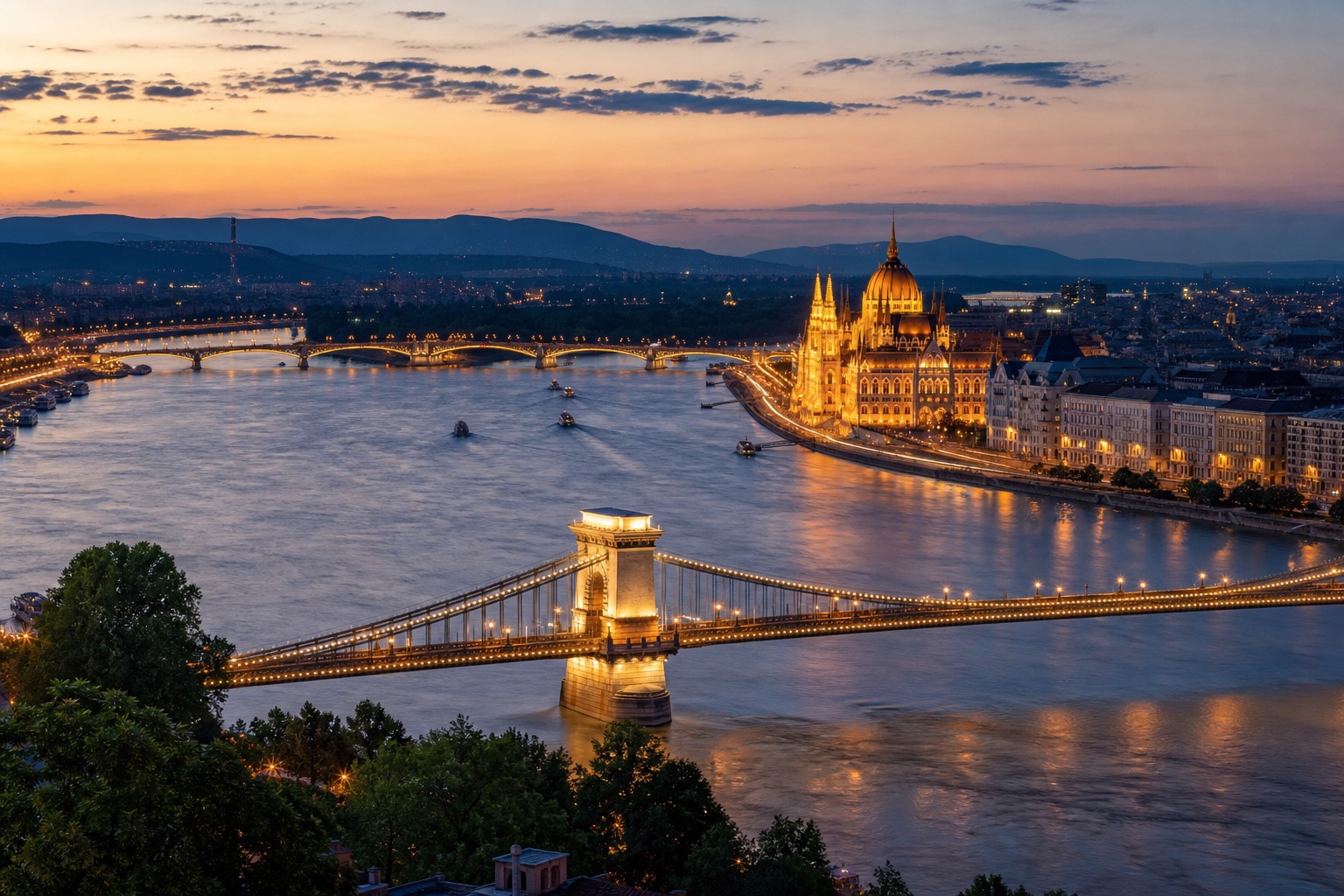
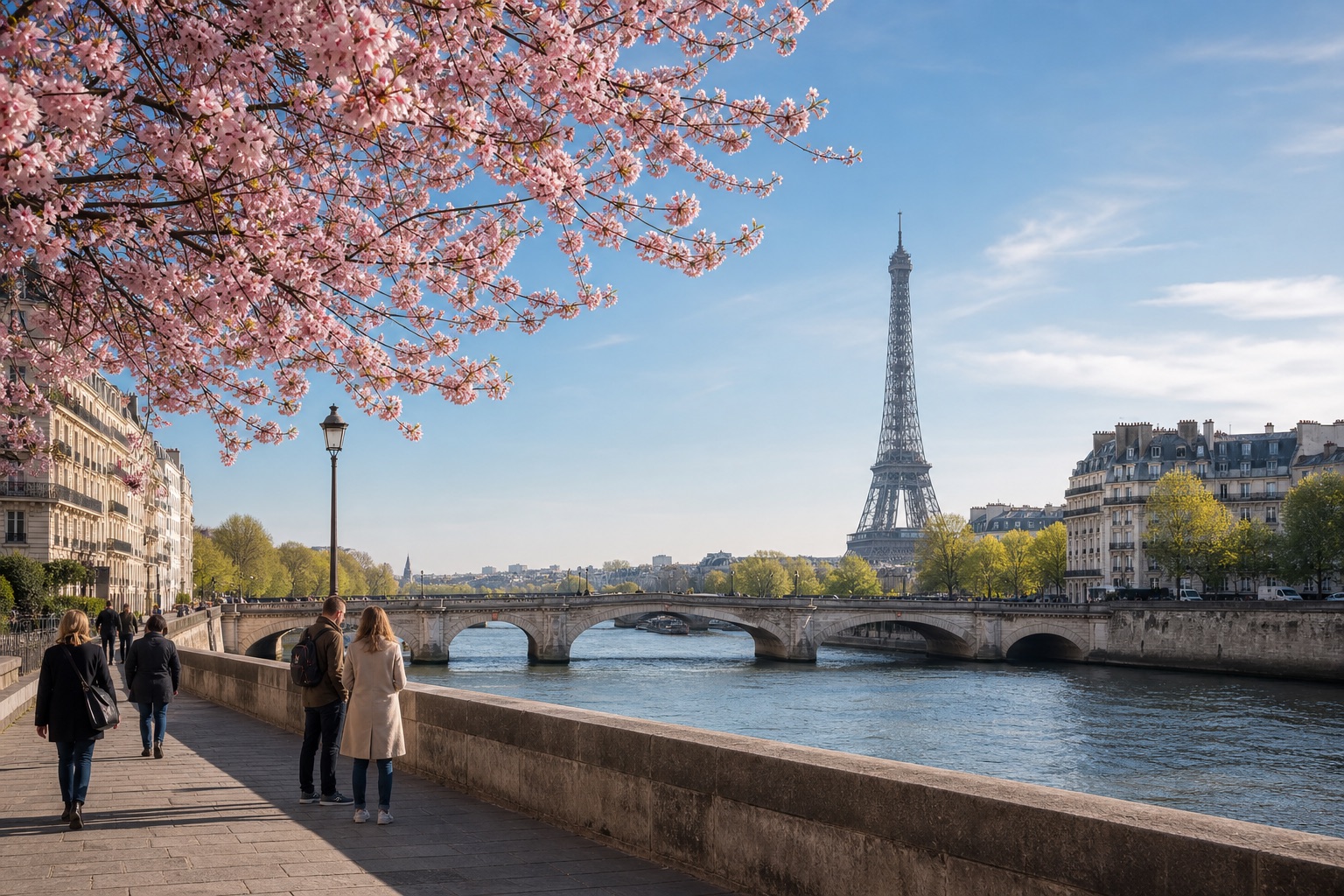
When planning, geography is more important than the number of markers on the map. Paris and Amsterdam are conveniently connected by high-speed train, Vienna, Prague, and Budapest form a clear Central European route, Italy is best explored through its regions, and the Balkans often require a car or separate transfers.
Visa and border regulations vary across Europe. The Schengen Area covers many, but not all, European countries; the UK, Ireland, Cyprus, and parts of the Balkans each have their own regimes. Before paying, check each country's regulations, transit requirements, and the number of permitted entries.
Europe does not have a uniform climate: the Mediterranean provides hot, dry summers, the Atlantic mild, changeable weather, Central Europe distinct seasons, the north short summers, and the Alps unique altitude conditions.
Tours around Europe are often tailored by specialists to specific dates, visa requirements, and itineraries. We recommend contacting a company specialist immediately: they will help you combine flights, hotels, trains, and transfers into a seamless itinerary for your trip from Kyrgyzstan.
We compare flights from Bishkek to a suitable entry point and don't rely on a single airport for the entire route. For complex trips, we check all connections and baggage allowances.
We'll help you choose the Mediterranean, Central Europe, the Alps, Scandinavia, the Baltics, or the UK based on your season, visa, and budget.
Before purchasing, we confirm visa requirements, flights, train connections, accommodations, and city taxes. We calculate the cost for the entire itinerary.
The ranking includes islands, ocean and Mediterranean coastlines, the Balkans, and mountains. Open the detailed guide to compare areas, seasons, transportation, beaches, and hotel types.
 01
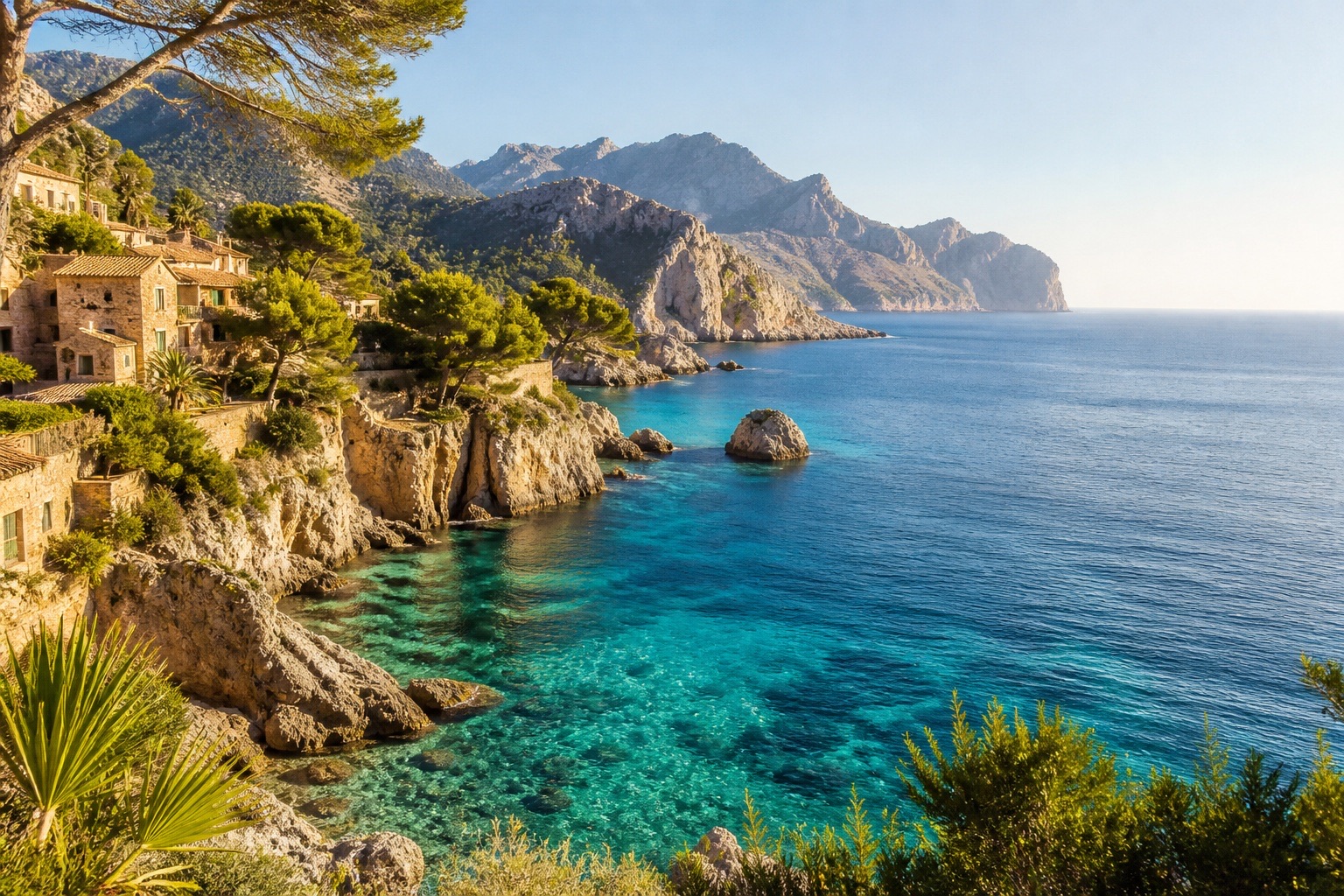
MajorcaMediterranean bays, Palma, the Tramuntana Mountains and island hoppingExplore the resort
01
MajorcaMediterranean bays, Palma, the Tramuntana Mountains and island hoppingExplore the resort
 02
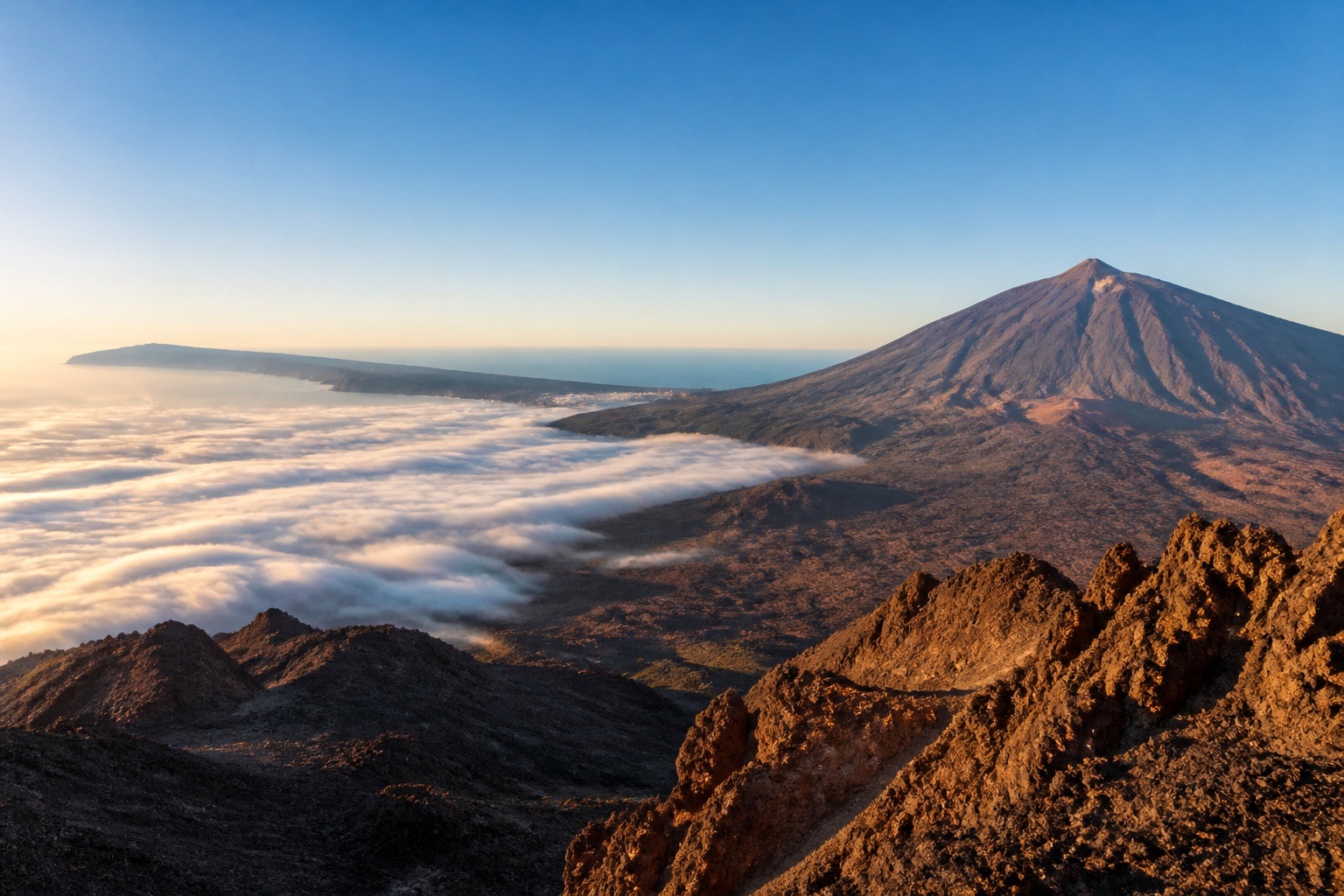
TenerifeAtlantic beaches, Mount Teide, lava landscapes and a mild island climateExplore the resort
02
TenerifeAtlantic beaches, Mount Teide, lava landscapes and a mild island climateExplore the resort
 03
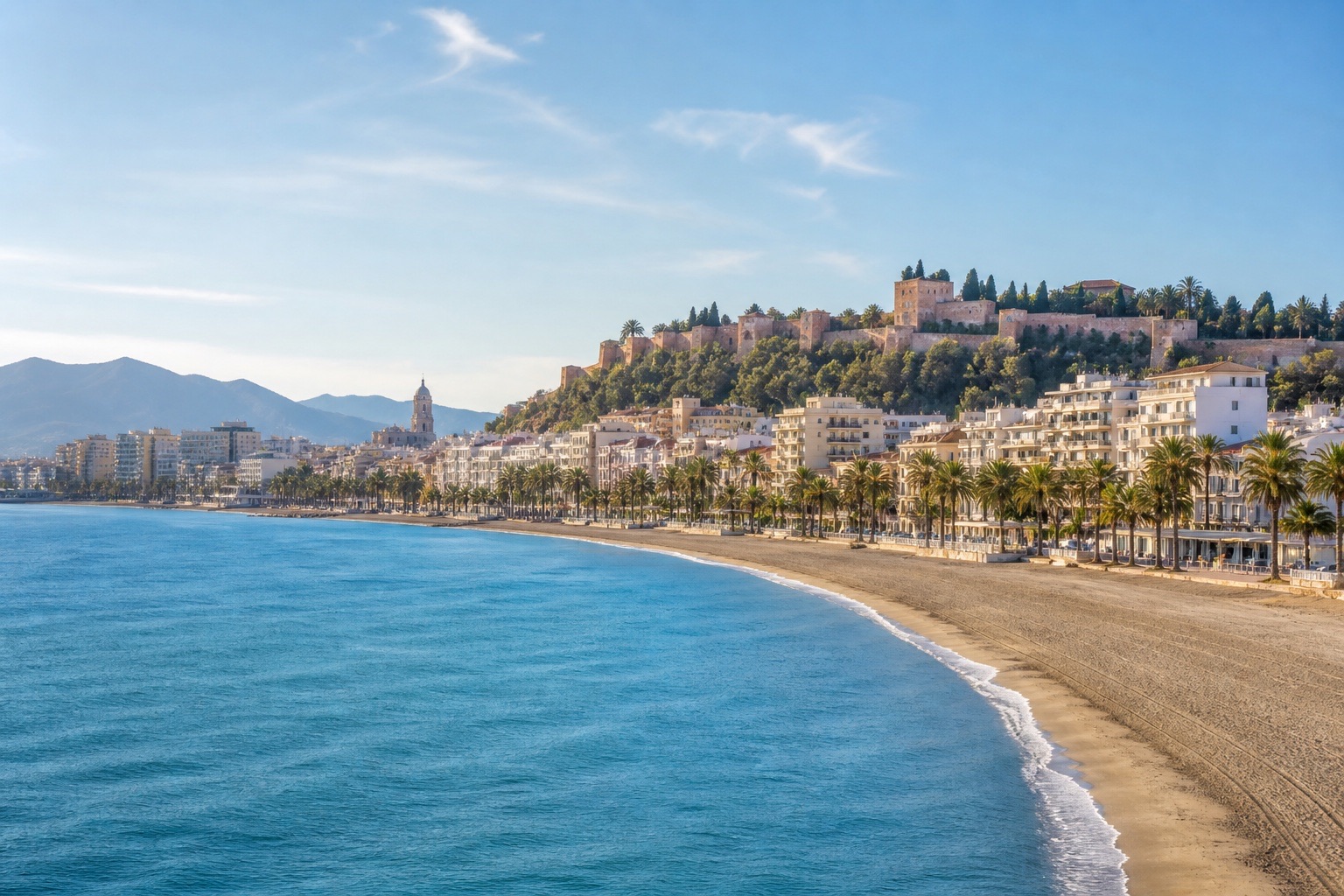
Costa del SolThe beaches of Andalusia, the museums of Malaga, the white villages and the seaside routesExplore the resort
03
Costa del SolThe beaches of Andalusia, the museums of Malaga, the white villages and the seaside routesExplore the resort
 04
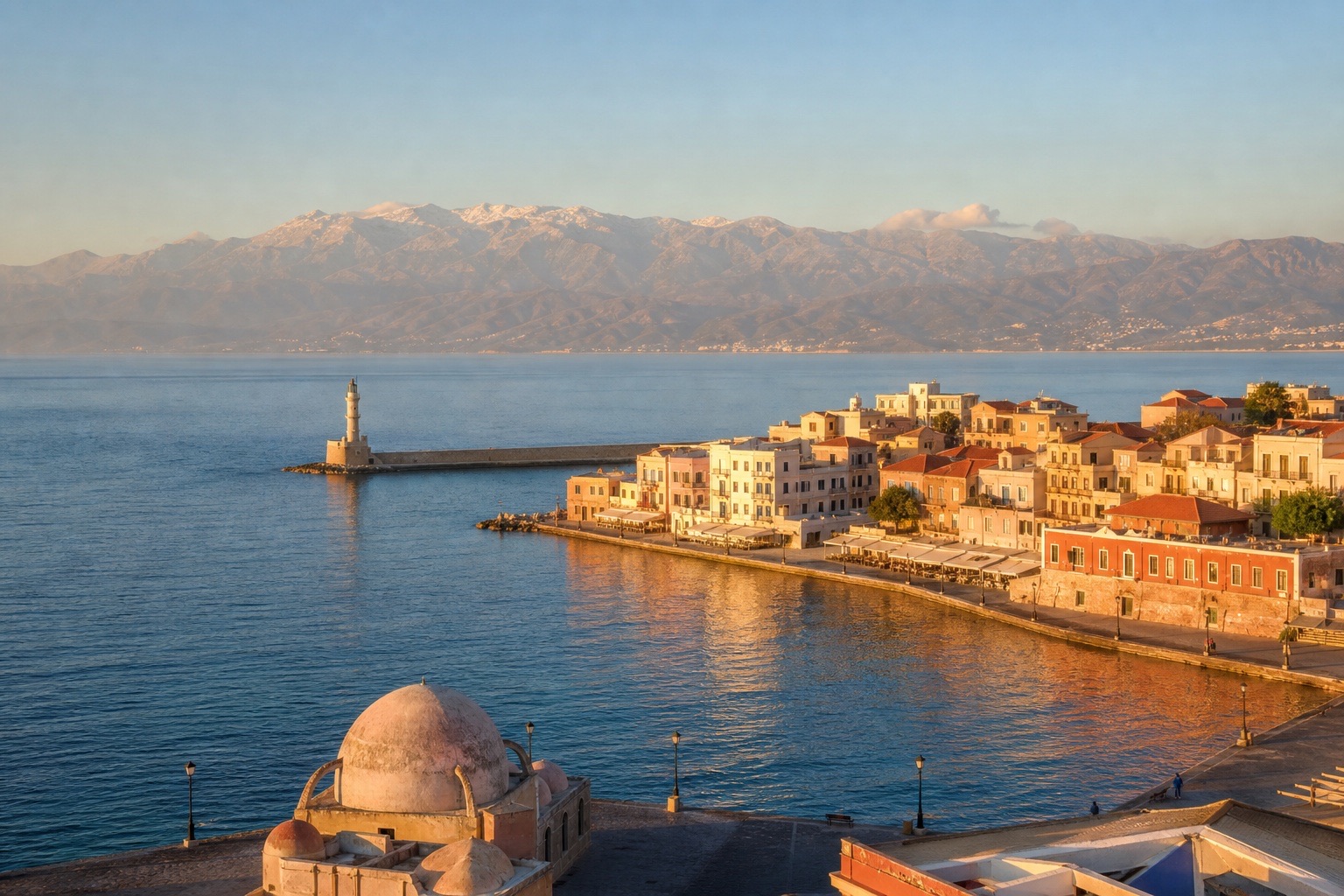
CreteVenetian cities, diverse coastlines, Cretan cuisine and great nature trailsExplore the resort
04
CreteVenetian cities, diverse coastlines, Cretan cuisine and great nature trailsExplore the resort
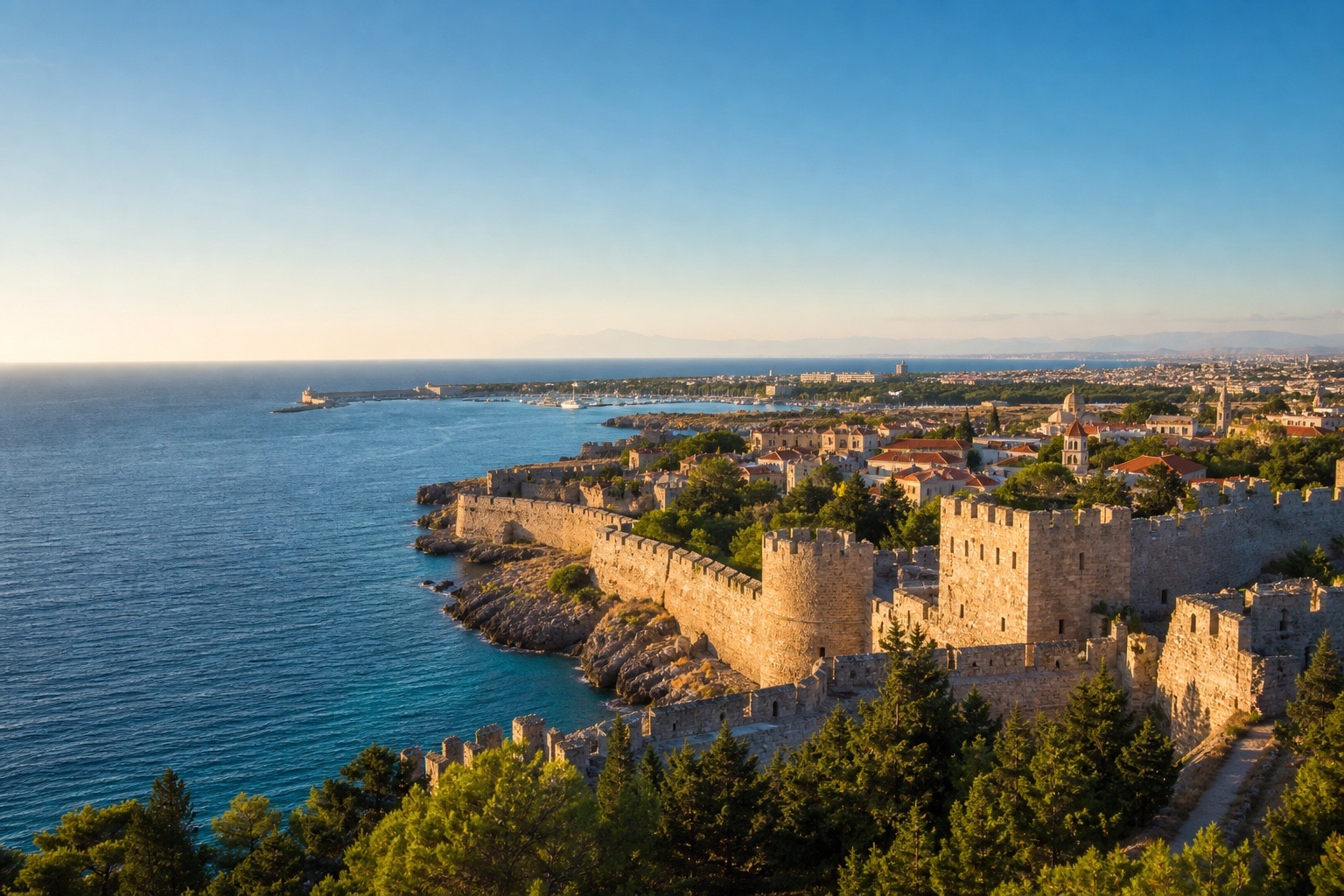 05
RhodesA medieval town, Lindos, beaches on both coasts and a compact island routeExplore the resort
05
RhodesA medieval town, Lindos, beaches on both coasts and a compact island routeExplore the resort
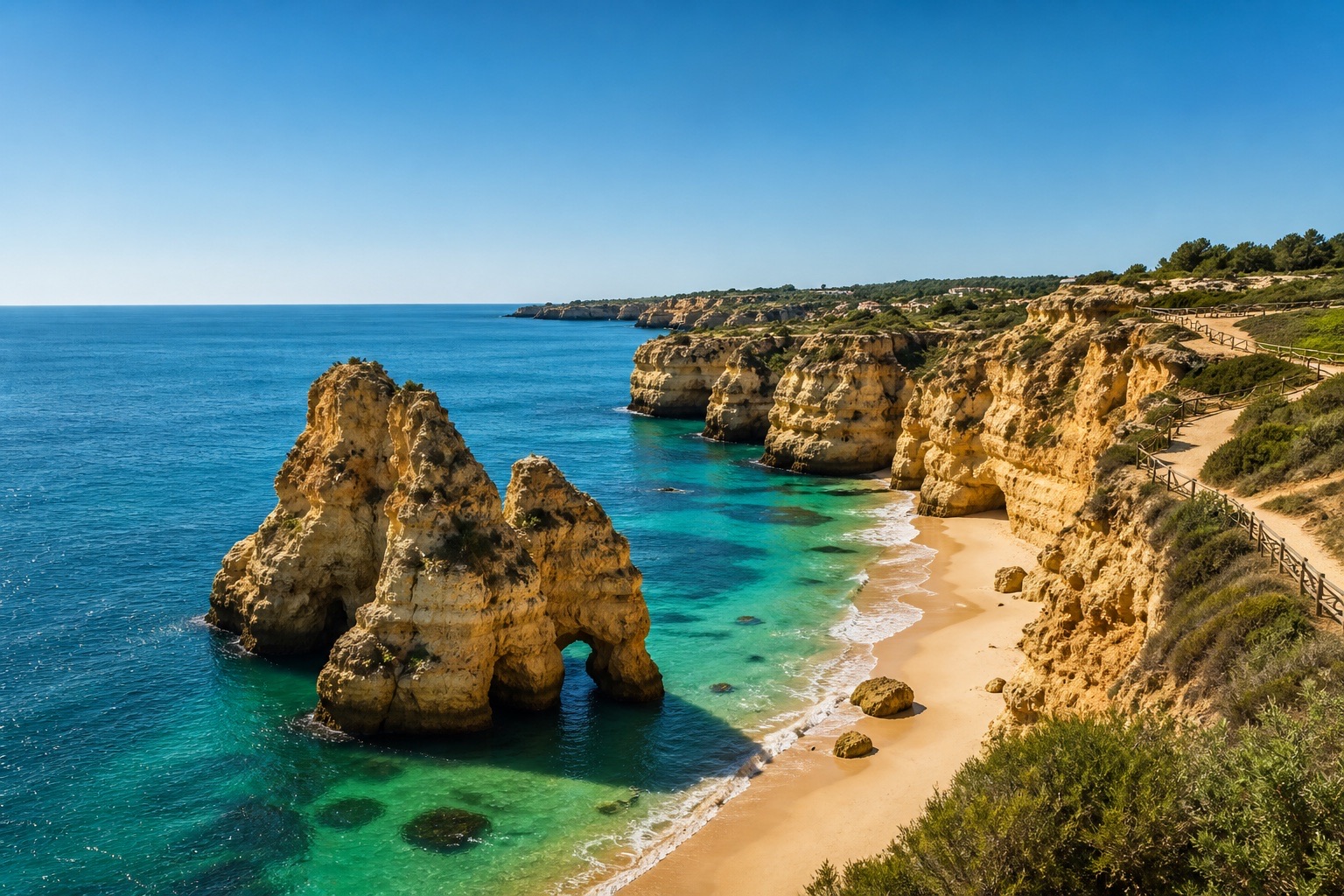 06
AlgarveGolden cliffs, the Atlantic, long beaches, coastal paths and towns of southern PortugalExplore the resort
06
AlgarveGolden cliffs, the Atlantic, long beaches, coastal paths and towns of southern PortugalExplore the resort
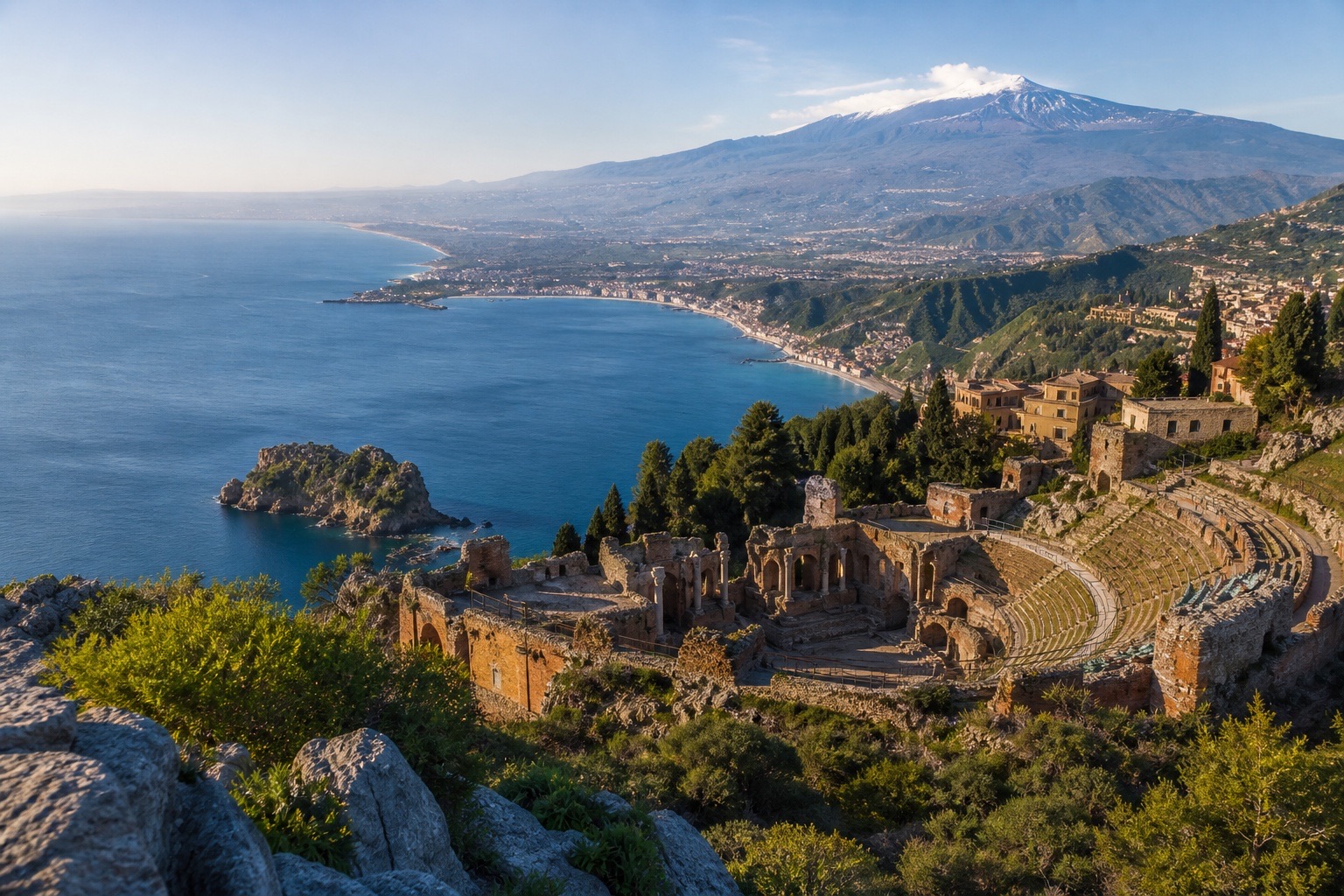 07
SicilyMount Etna, ancient cities, Baroque, diverse coastlines, and a vibrant regional cuisineExplore the resort
07
SicilyMount Etna, ancient cities, Baroque, diverse coastlines, and a vibrant regional cuisineExplore the resort
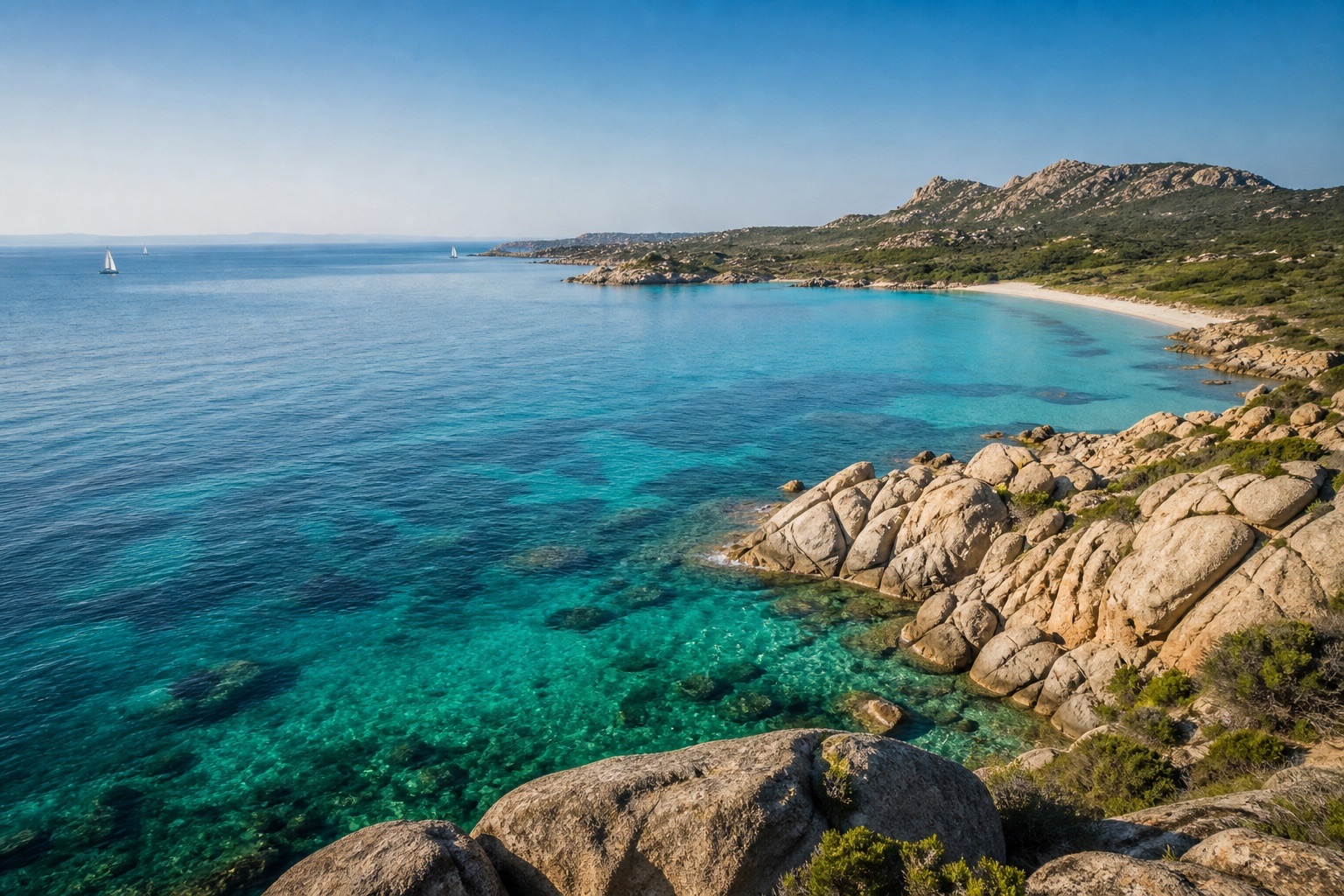 08
SardiniaEmerald bays, granite shores, island traditions and routes between north and southExplore the resort
08
SardiniaEmerald bays, granite shores, island traditions and routes between north and southExplore the resort
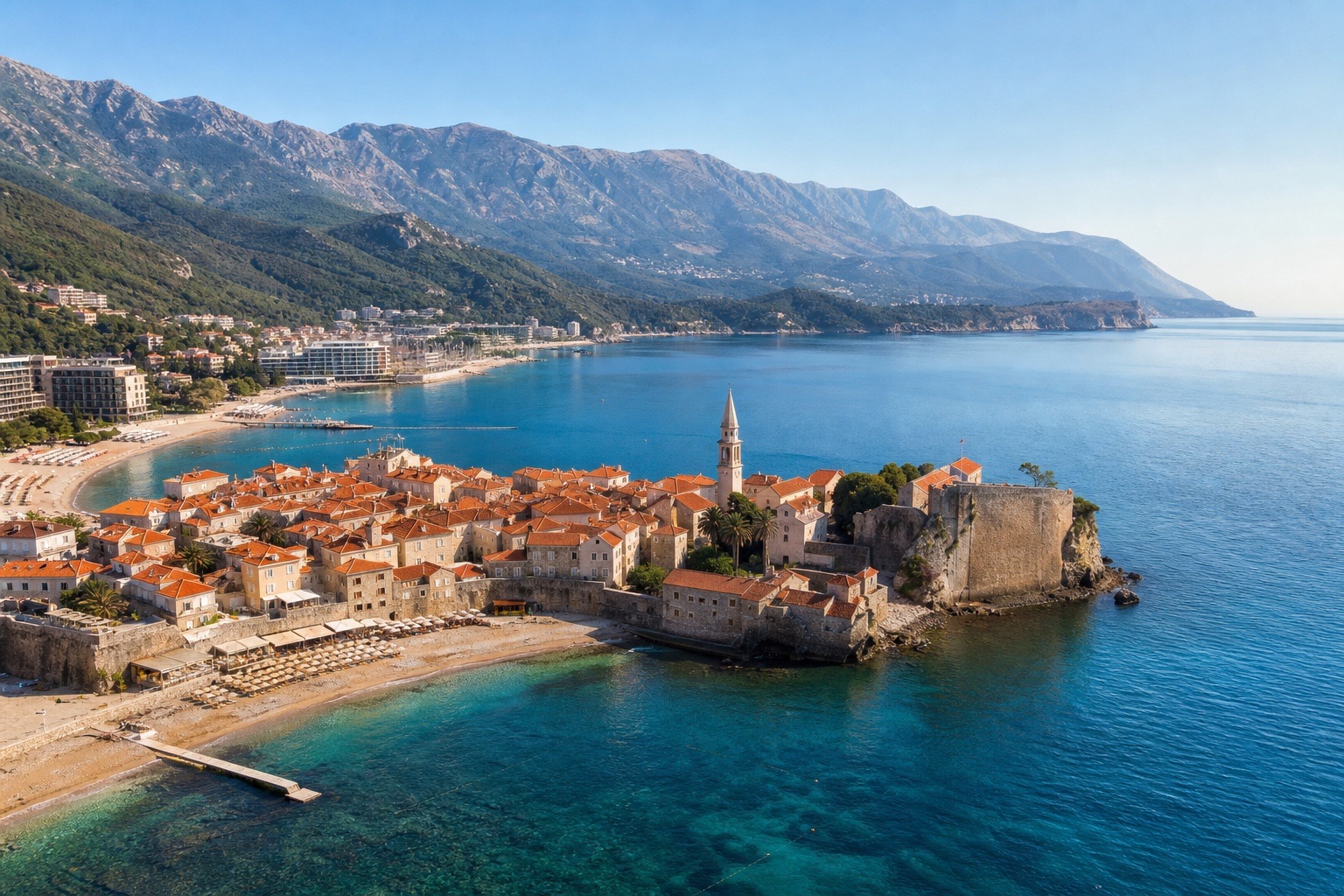 09
Budva RivieraAdriatic beaches, Budva's Old Town, mountain panoramas and compact resort villagesExplore the resort
09
Budva RivieraAdriatic beaches, Budva's Old Town, mountain panoramas and compact resort villagesExplore the resort
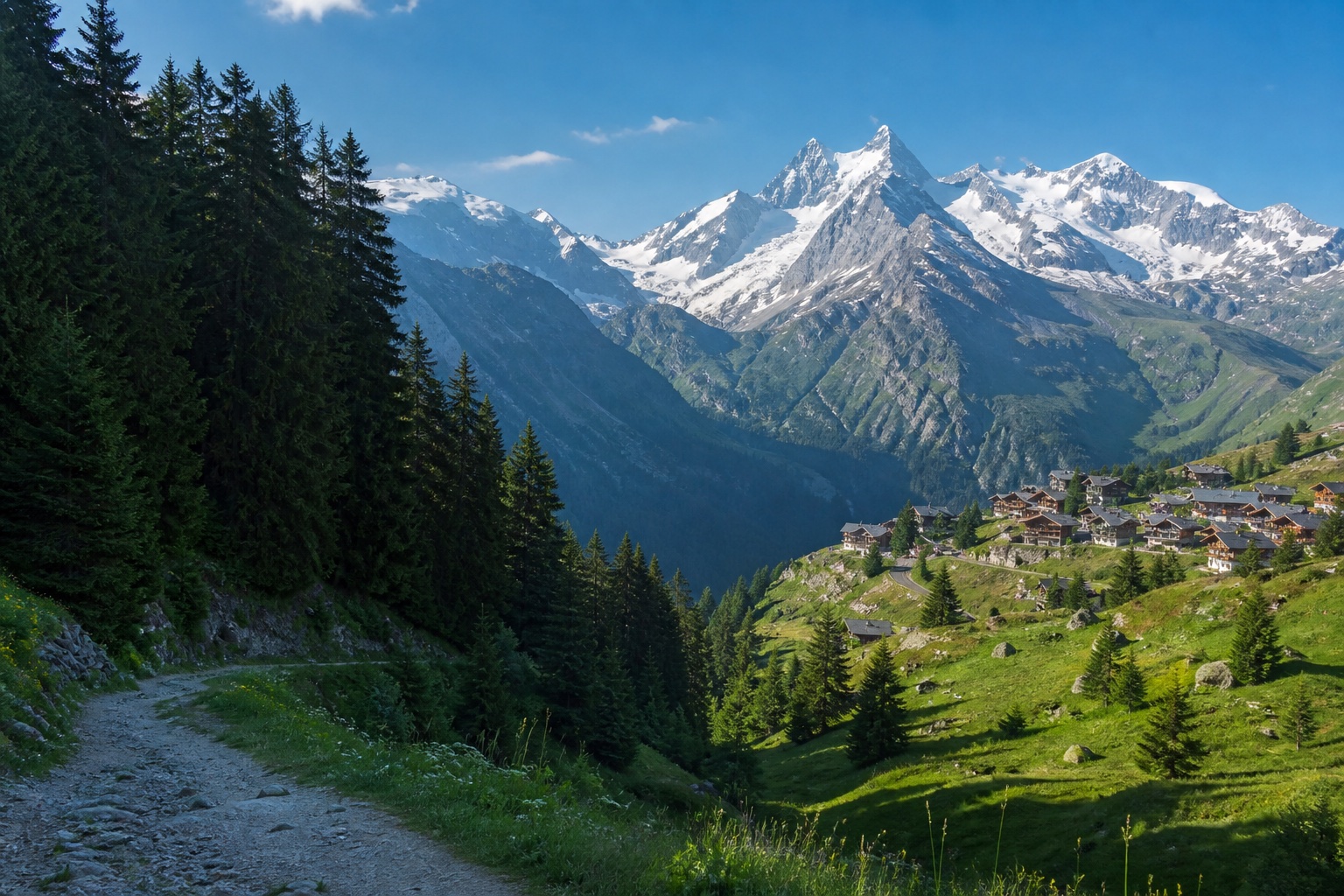 10
AlpsMountain trains, lakes, trekking in summer and ski resorts in winterExplore the resort
10
AlpsMountain trains, lakes, trekking in summer and ski resorts in winterExplore the resort
The season depends on the region, altitude, coastline, and travel purpose. Before booking, check the forecast for your chosen resort.
City break, gardens, museums, and southern Europe are free of peak summer demand. It's the off-season in the Alps, and some ski lifts are closed.
The Mediterranean Sea, lakes, the Alps, and northern countries. Popular capitals are hot, crowded, and more expensive.
September is best for the sea and cities, October is for gastronomy and culture; by November, the days are shorter.
Christmas markets, museums, and ski resorts. Holidays and school holidays increase demand.
A practical guide for travelers from Kyrgyzstan: time, money, transportation, communications, gastronomy, religion, etiquette, and cultural diversity.
Conditions, cuisine, and customs within a single country may vary by region, island, and season. Use this guide as a guide and double-check any changing requirements before purchasing your tour.
Europe encompasses dozens of countries, so practical conditions depend on the specific route. It's often more convenient to connect two neighboring capitals by train, while distant regions can be connected by air.
Cards are widely used, but acceptance rules, tips, and cash requirements vary by country. Check the currency being debited, city tax, hotel deposit, and fees beforehand.
Trains are convenient between connected cities, while low-cost airlines are convenient for longer journeys, but require baggage allowance and airport transfers. Compare the total cost and door-to-door travel time.
Roaming within the EU does not provide the same conditions for numbers from Kyrgyzstan, the UK, or other countries. Check your regional eSIM and offline access to your tickets before departure.
Shop hours, tipping rules, road regulations, and tourist taxes vary. Before a multi-city trip, create a separate checklist for each country and transit point.
European gastronomy is made up of regional cuisines, not a single menu. Compare Mediterranean fish, vegetables, and olive oil, Central European meat and pastry dishes, northern seafood, and Balkan grilling traditions. Tips, water, and bread may be included in the bill in different ways.
Christian denominations, Islam, Judaism, and secular traditions coexist in varying combinations. In active churches, do not disturb the service, remove your hat where required, and check the photography regulations. It's best to check communication, punctuality, and dress codes for each country on your route.
Europe encompasses dozens of countries, languages, and historical regions, and migration has created new multicultural cities. Even within a single country, languages, holidays, cuisine, and regional identities can differ. For a multi-city trip, explore not only the borders but also the local context of each stop.
One capital for 3-5 days with day trips and accommodation near public transport.
Two or three logically connected points without changing hotels every day, with a train or a short flight.
Greece, Spain, Italy, Portugal, Cyprus or the Balkan coast with separate seasonality.
Trains, lakes, trekking, skiing or the Northern Lights with weather reserves and suitable equipment.
Compare more than just the country name: the area determines the beach, weather, roads, and available activities.
In Italy, Spain, and Greece, choose a specific coastline and type of beach; the old town isn't always located by the sea.
In Tenerife and the Algarve, consider the wind, ocean swell, shoreline orientation, and actual access to the beach based on terrain.
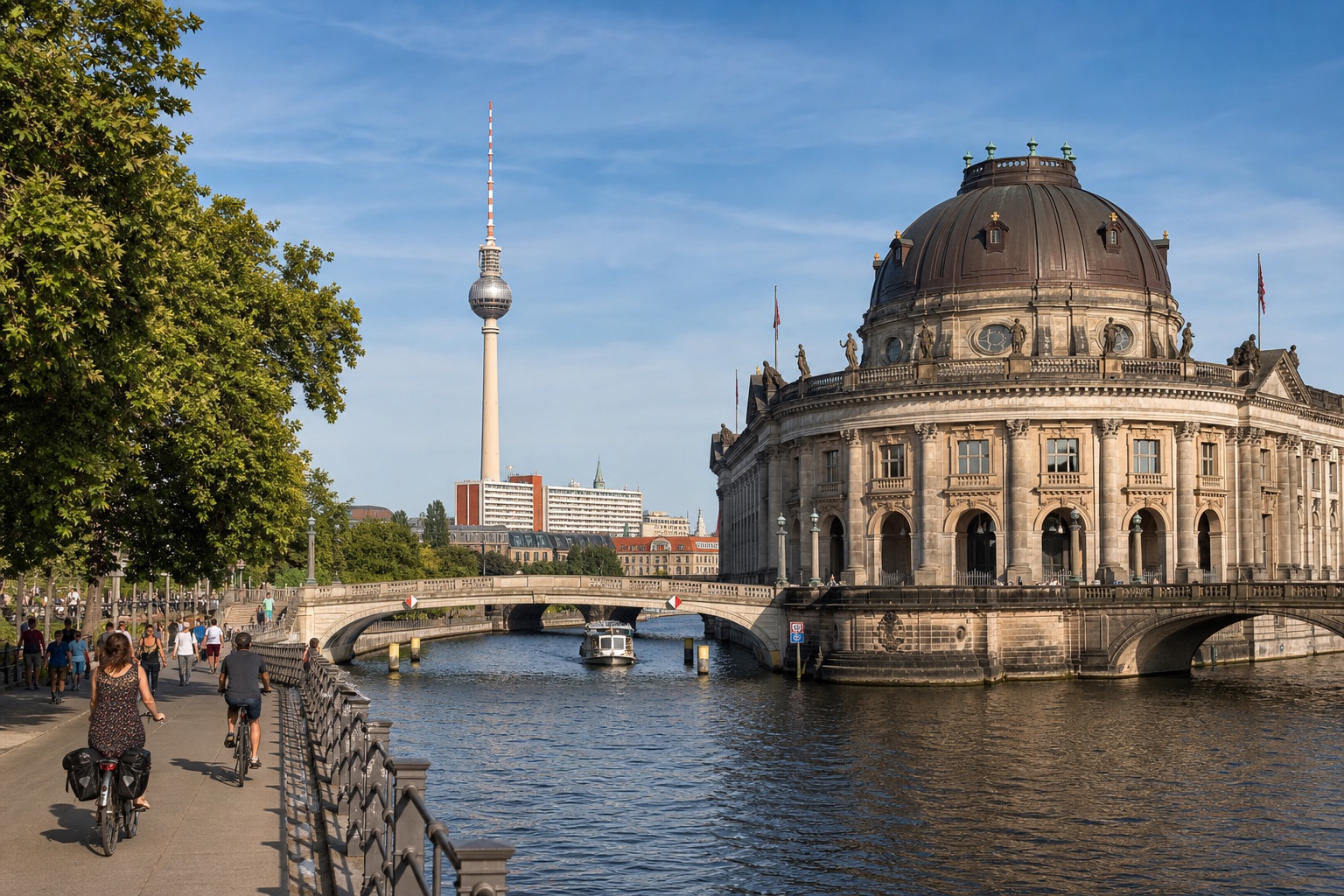
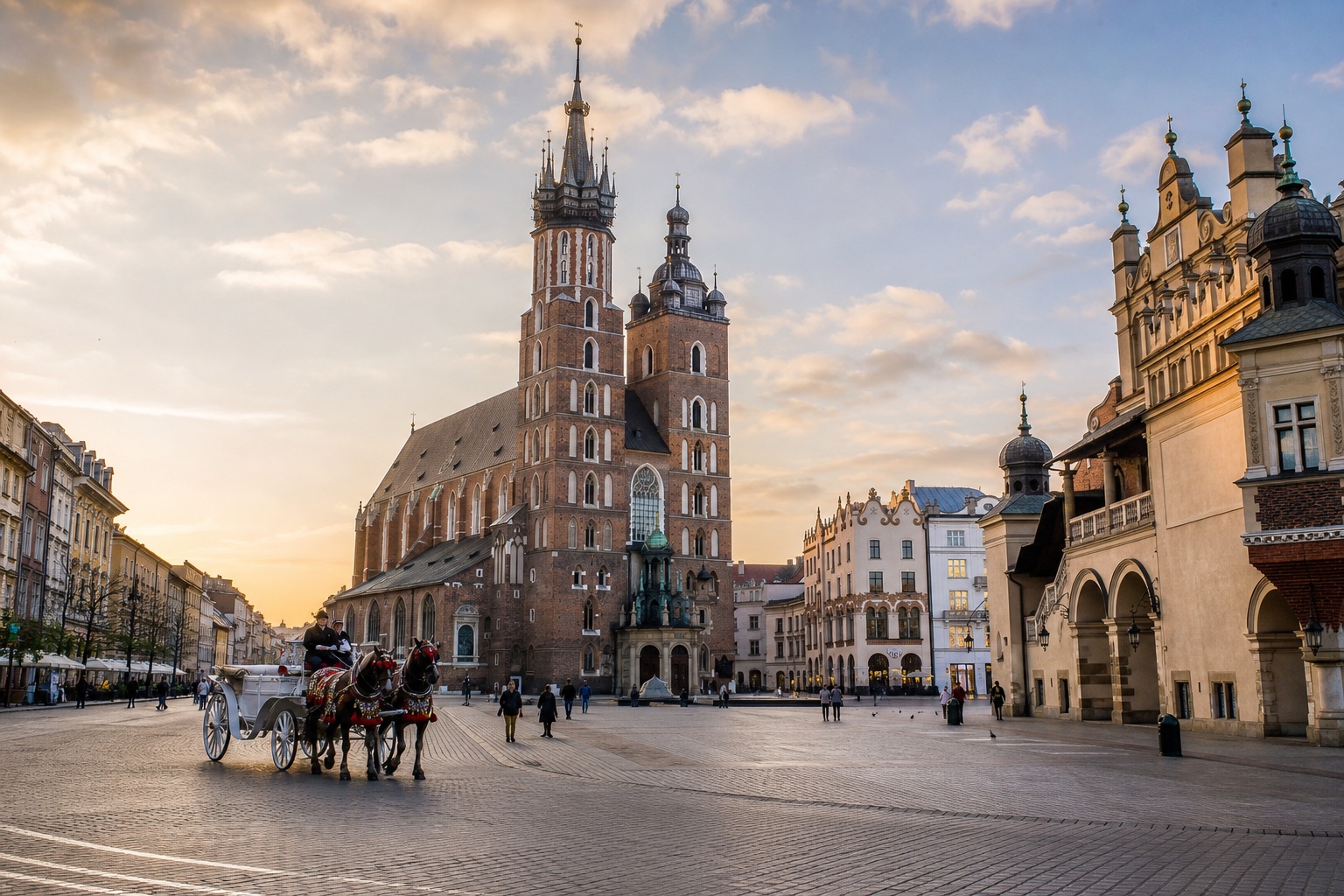
Vienna, Prague, Budapest, Berlin, and Krakow are well connected by transport; a hotel near a metro station saves time.
Book popular museums in advance, and consider evening transportation and city taxes when choosing a neighborhood.
Croatia, Montenegro, Albania, Serbia, and Bosnia have different entry regulations; check parking and road conditions.
In Switzerland, Austria, France and Italy, the altitude of the resort, the season of the ski lifts and the transport pass are important.
In summer, book in advance; in winter, choose a flexible program due to the weather and short days.
It is convenient to connect Tallinn, Riga and Vilnius by bus, leaving at least two nights for each city.
This has its own visa and transport logic; areas near the railway are convenient for travel outside the capital.
Explore the differences between the country's resorts and cities, then discover a detailed guide with areas, seasons, hotels, and travel plans.
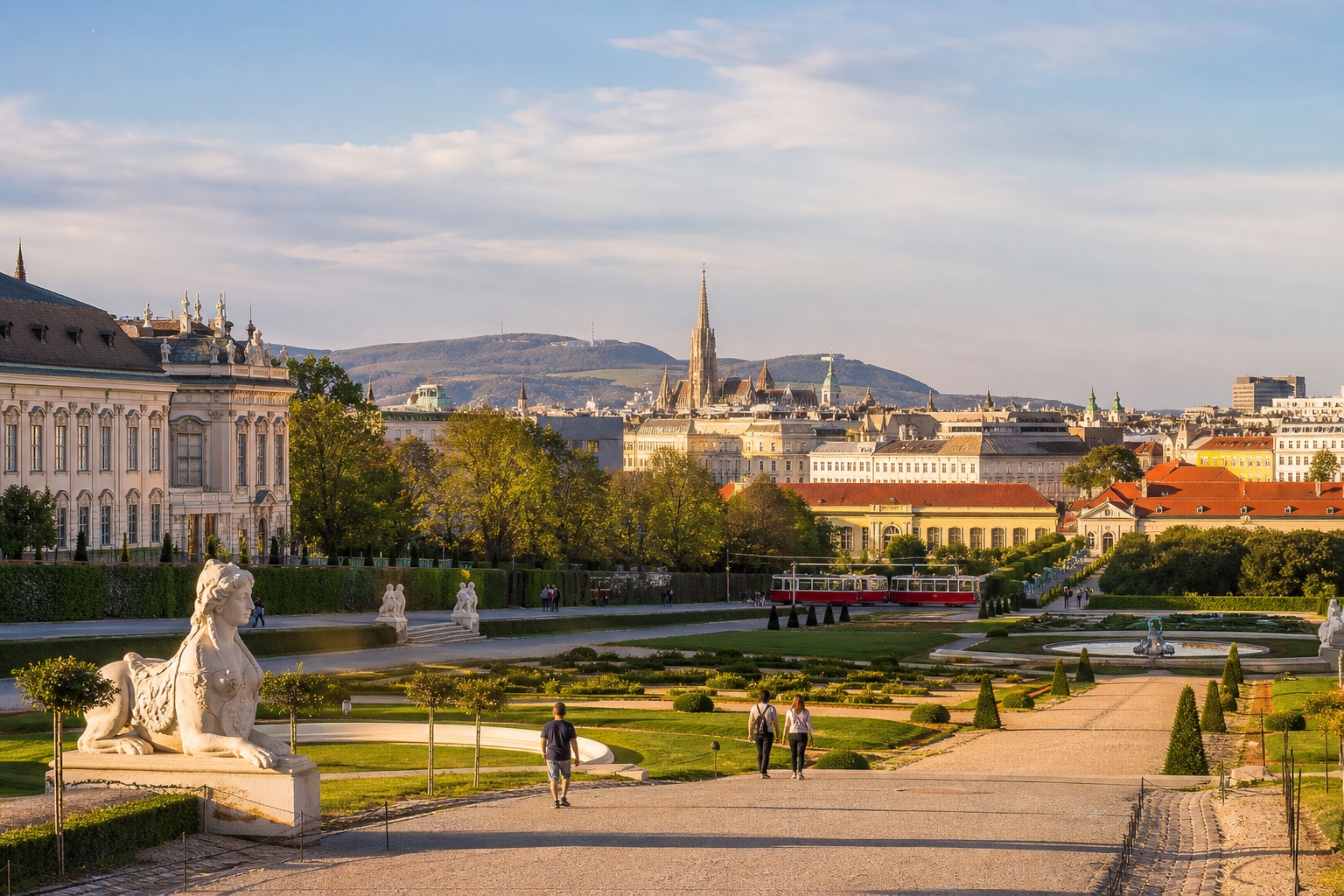
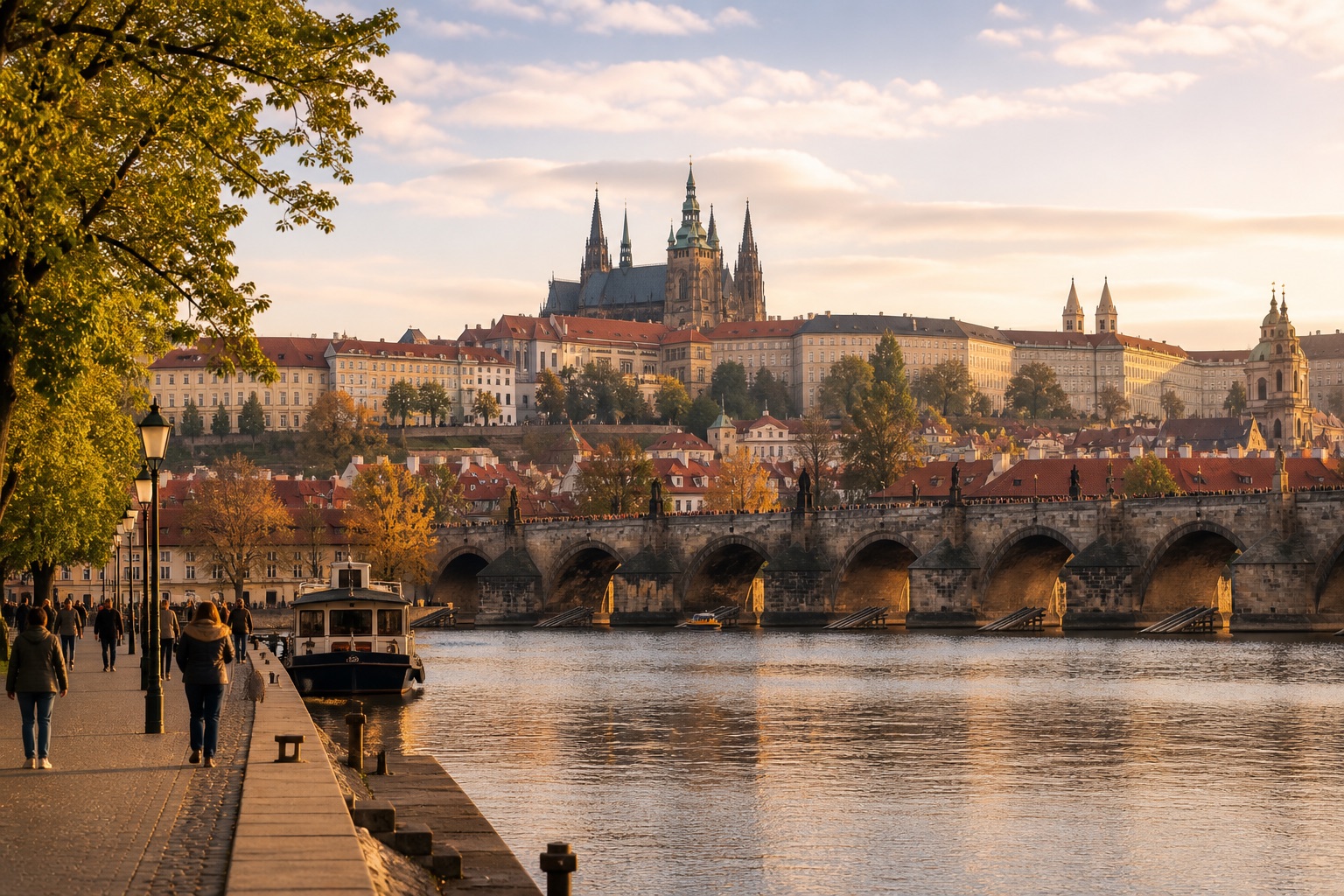
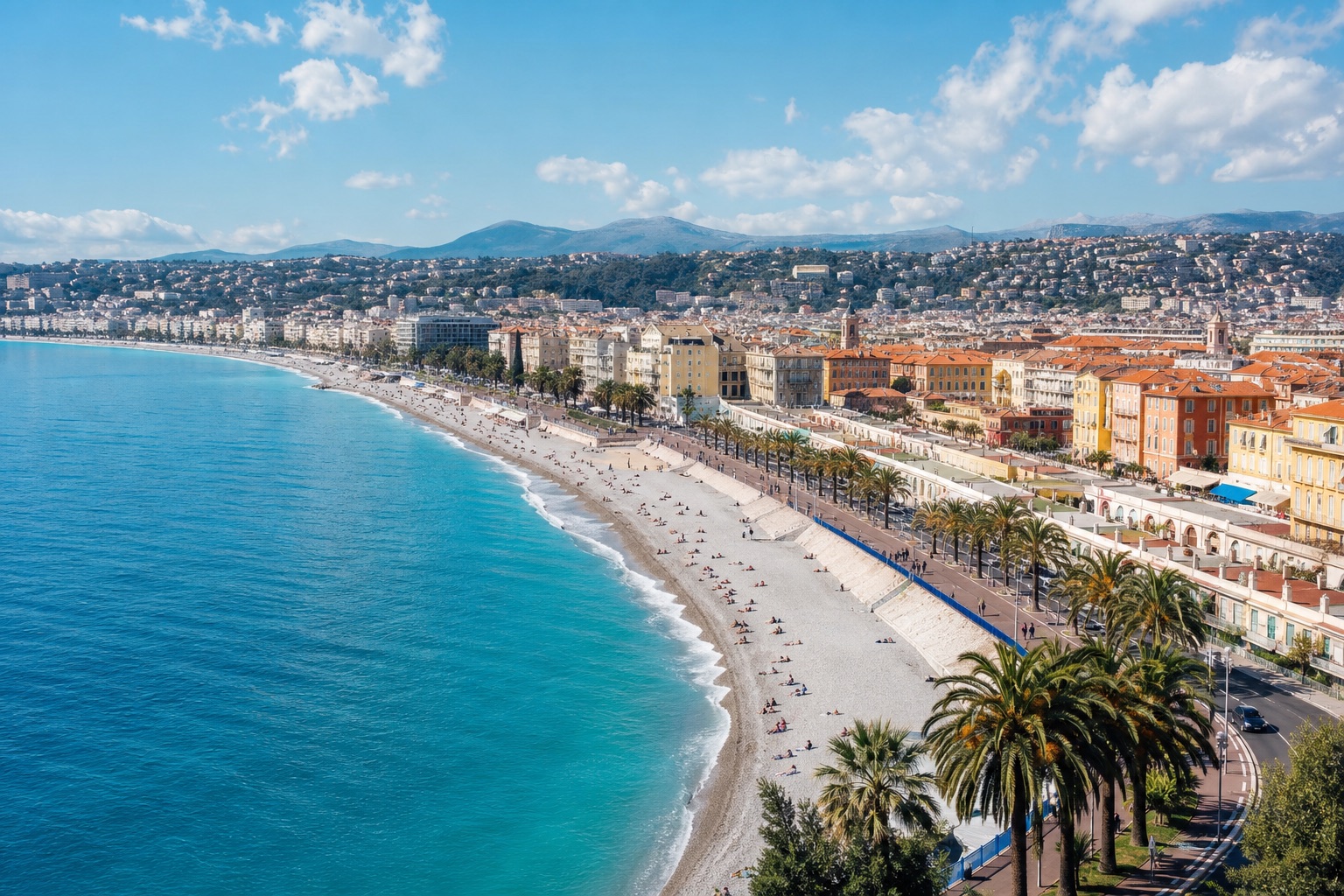
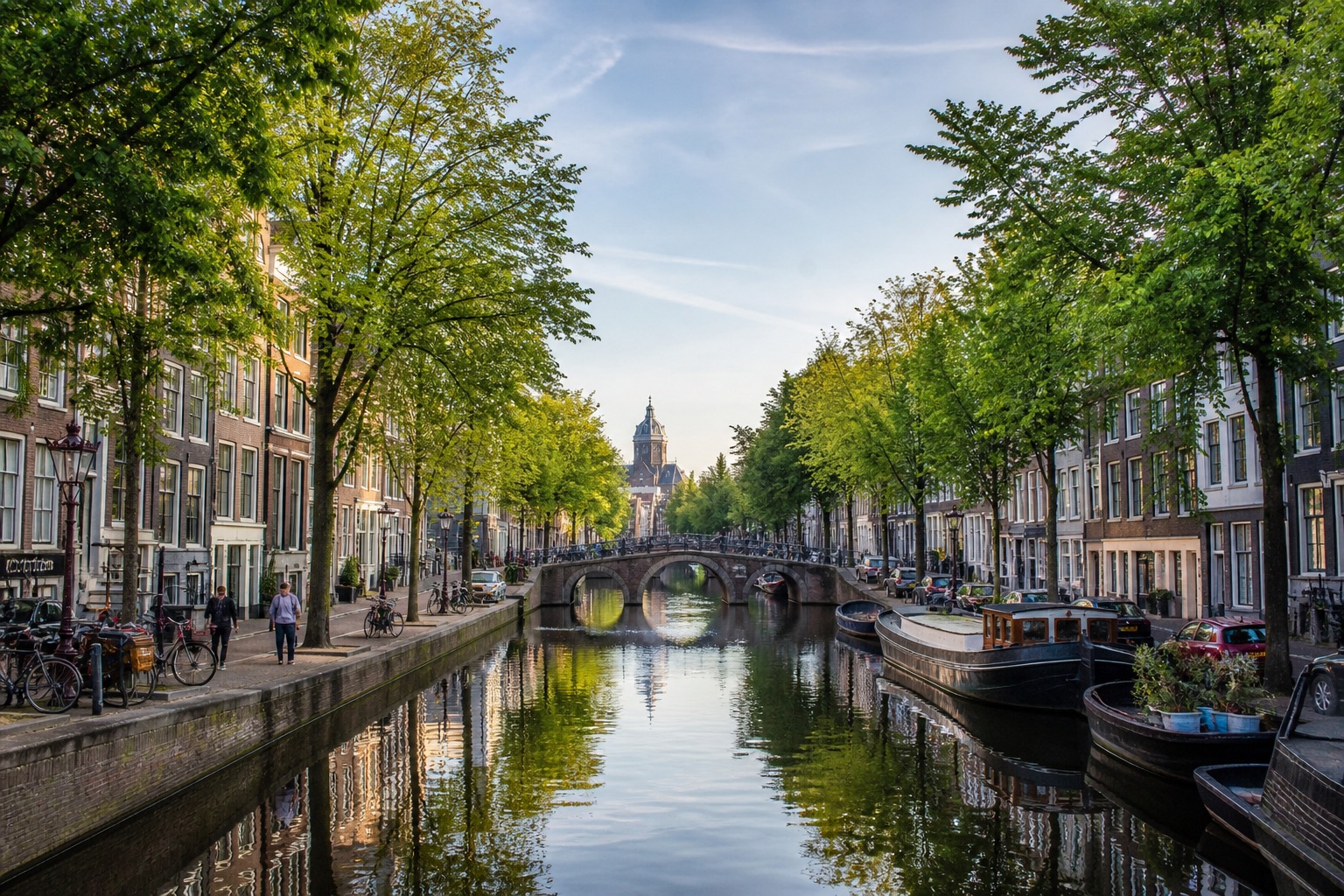
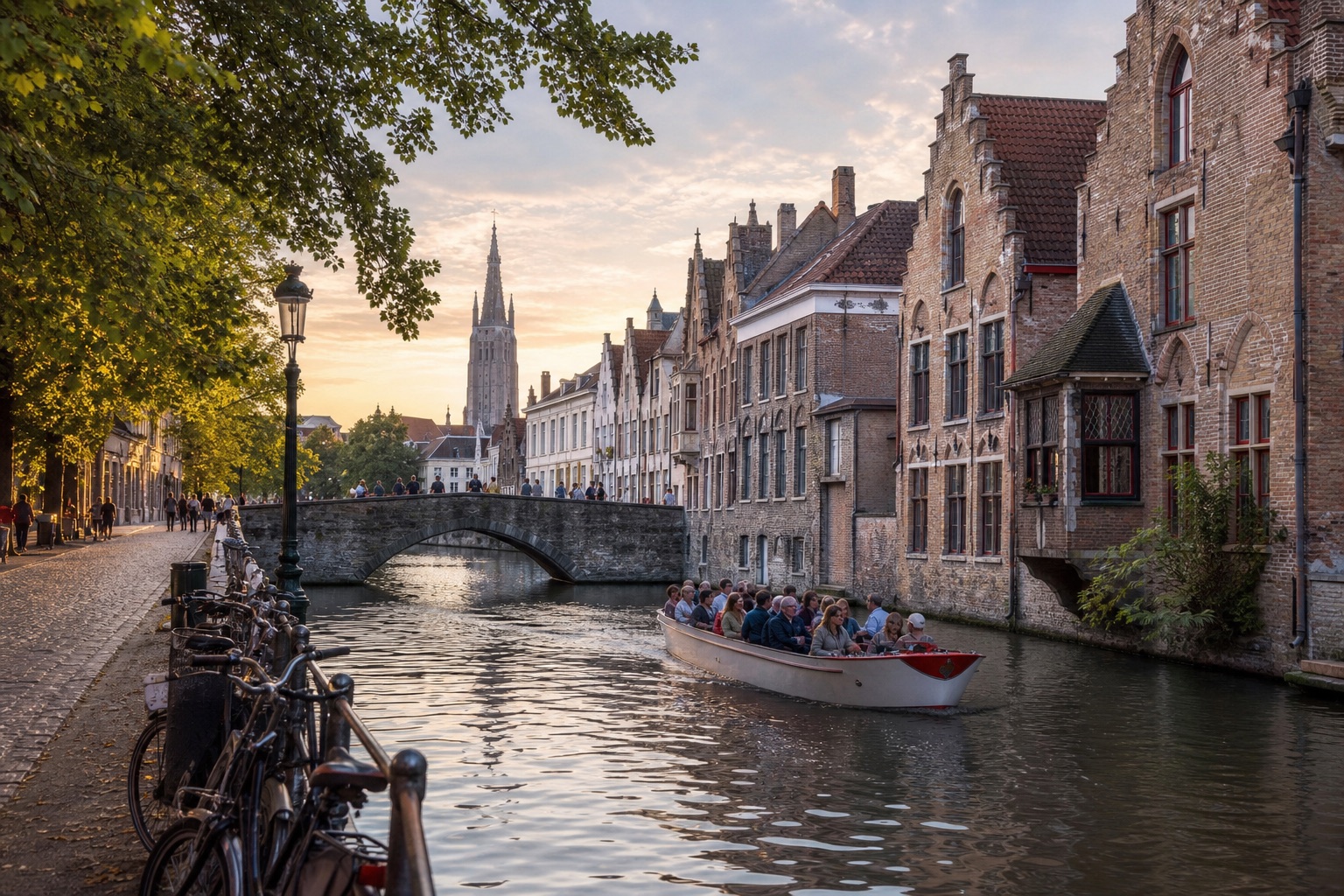
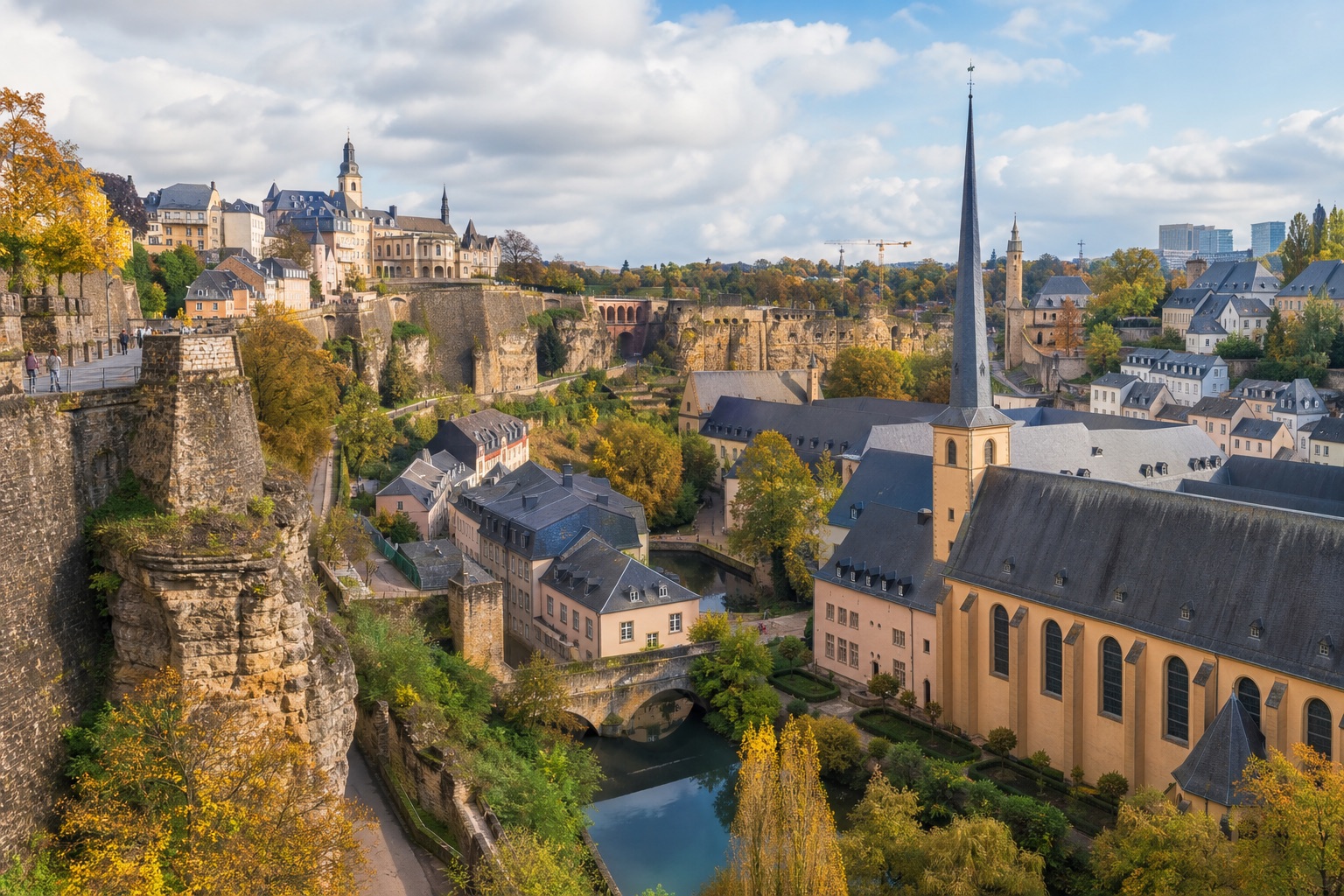
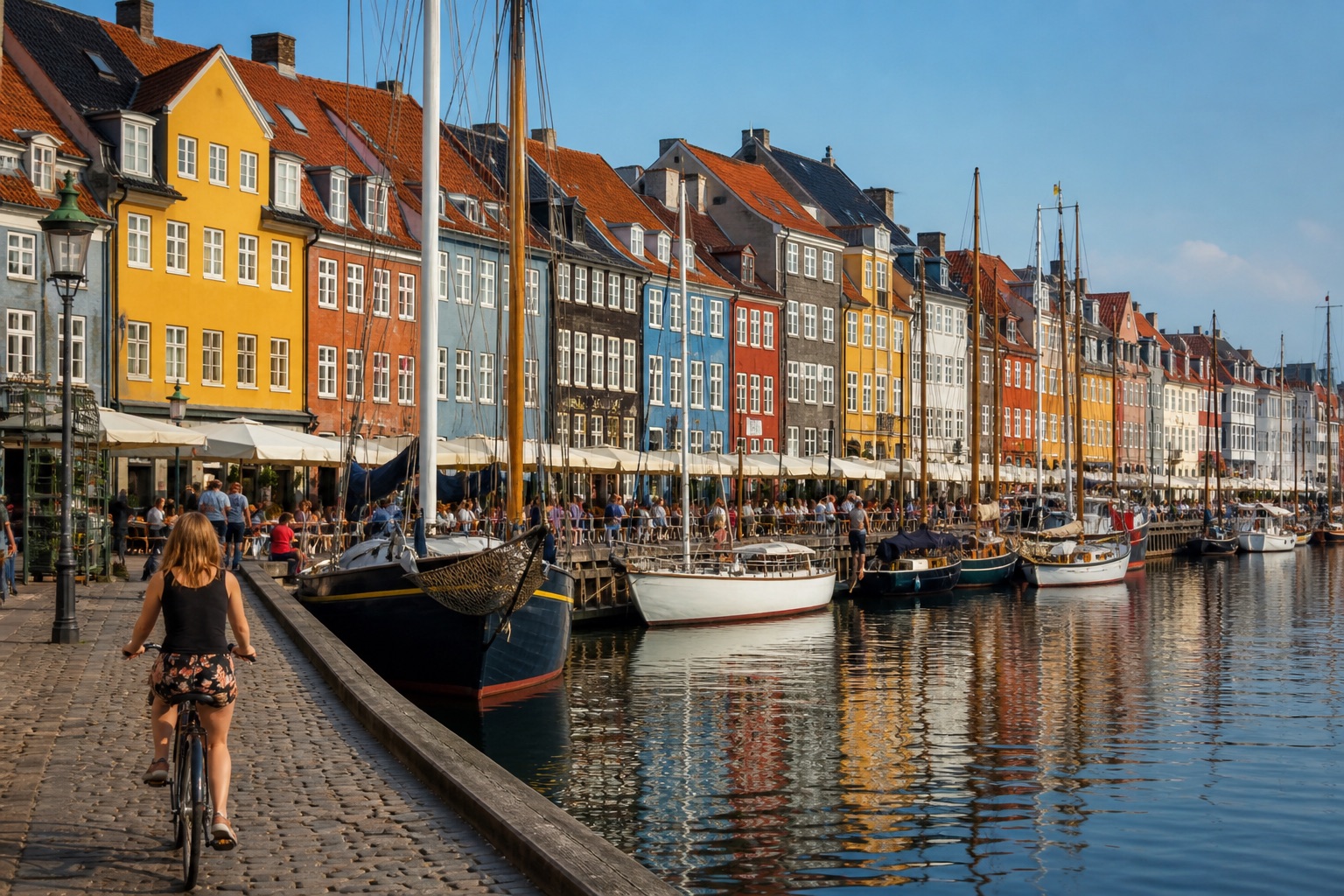
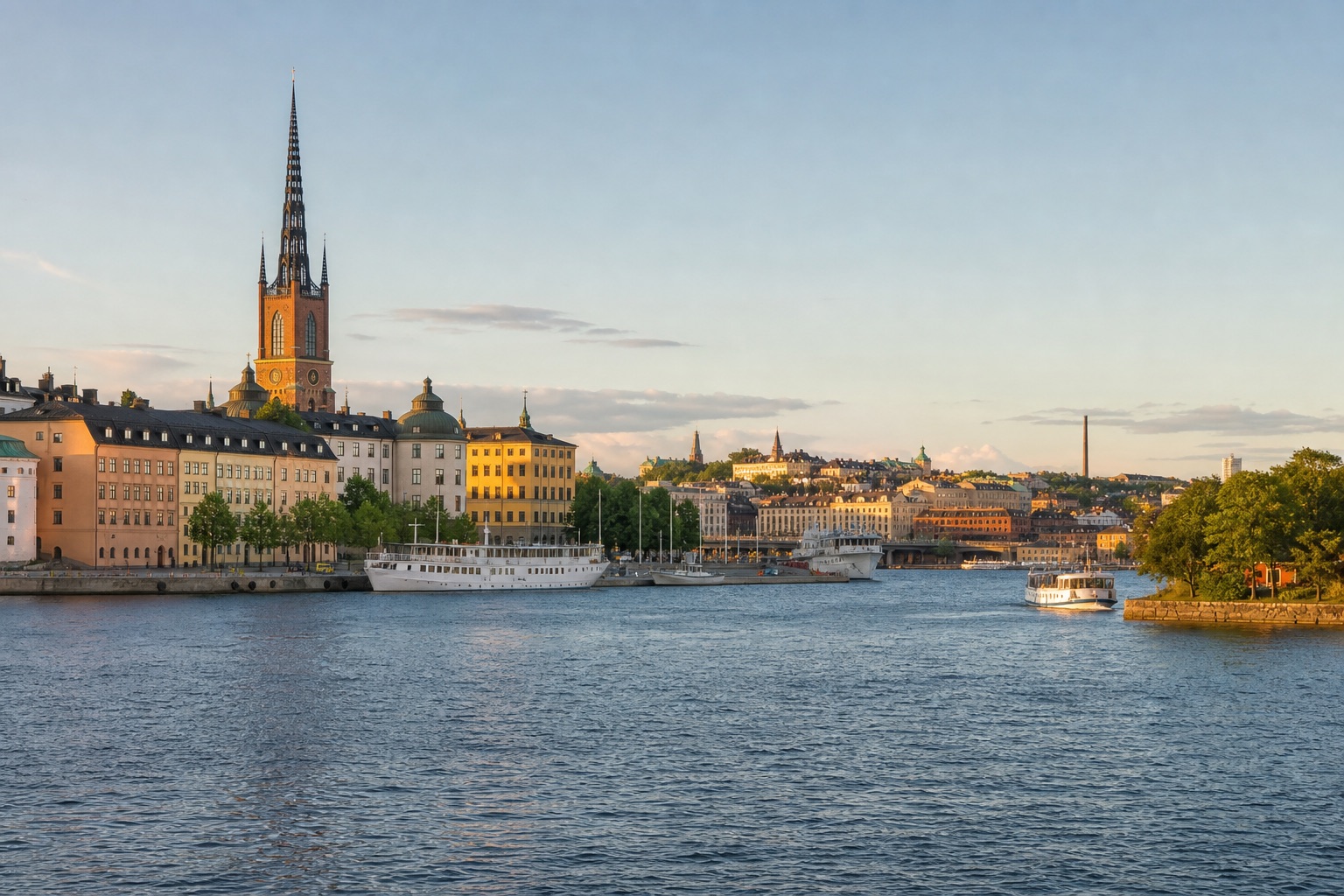
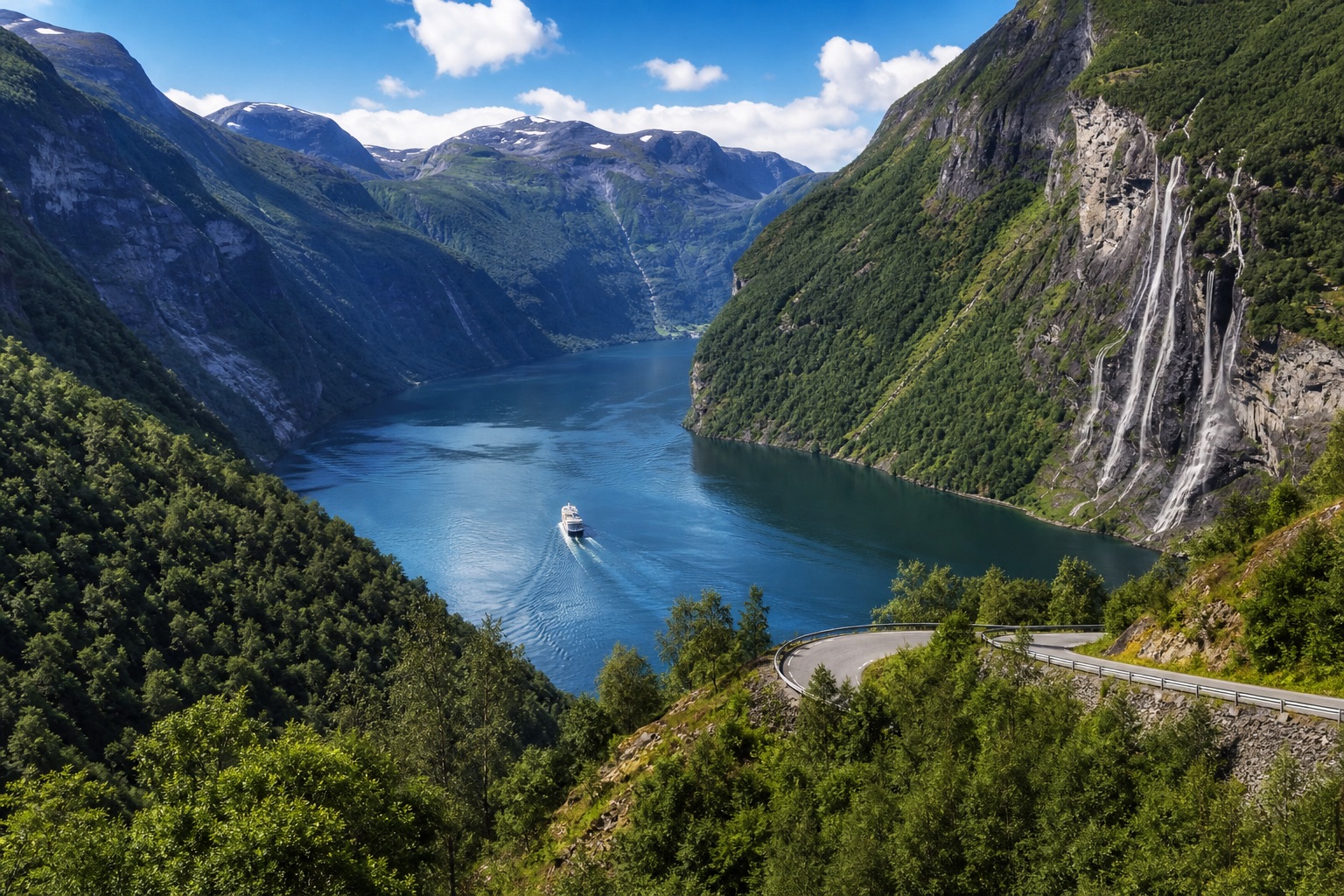
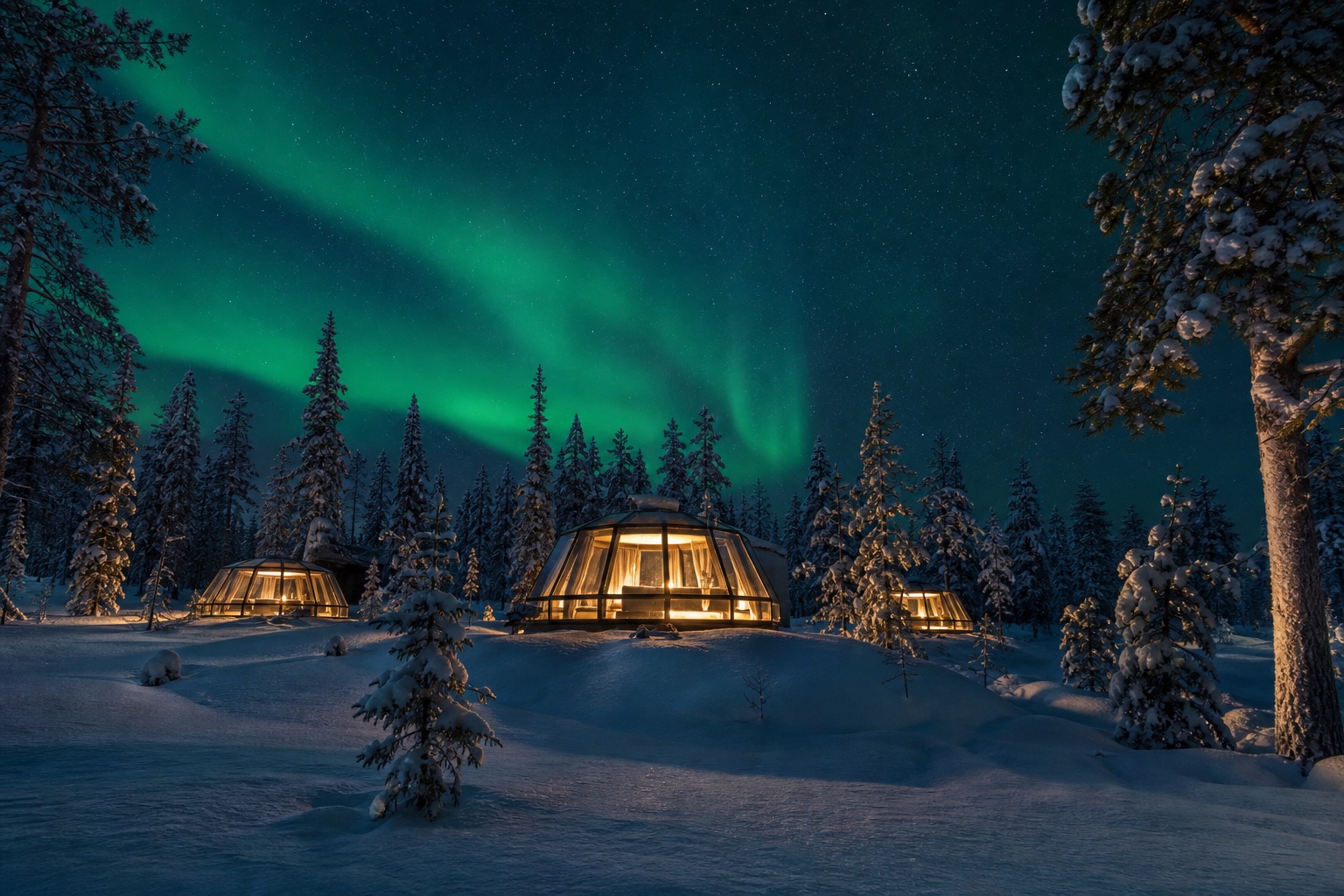
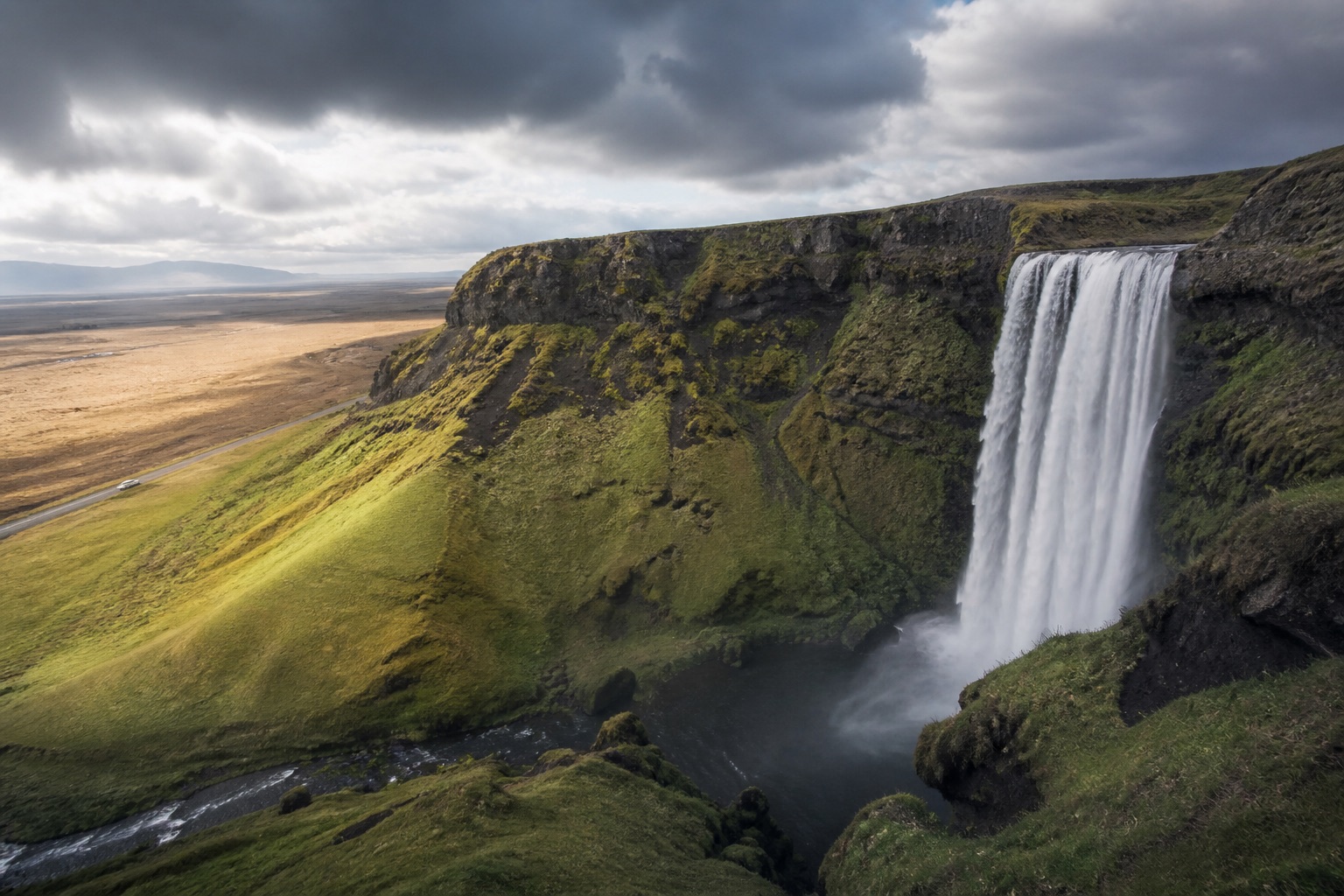
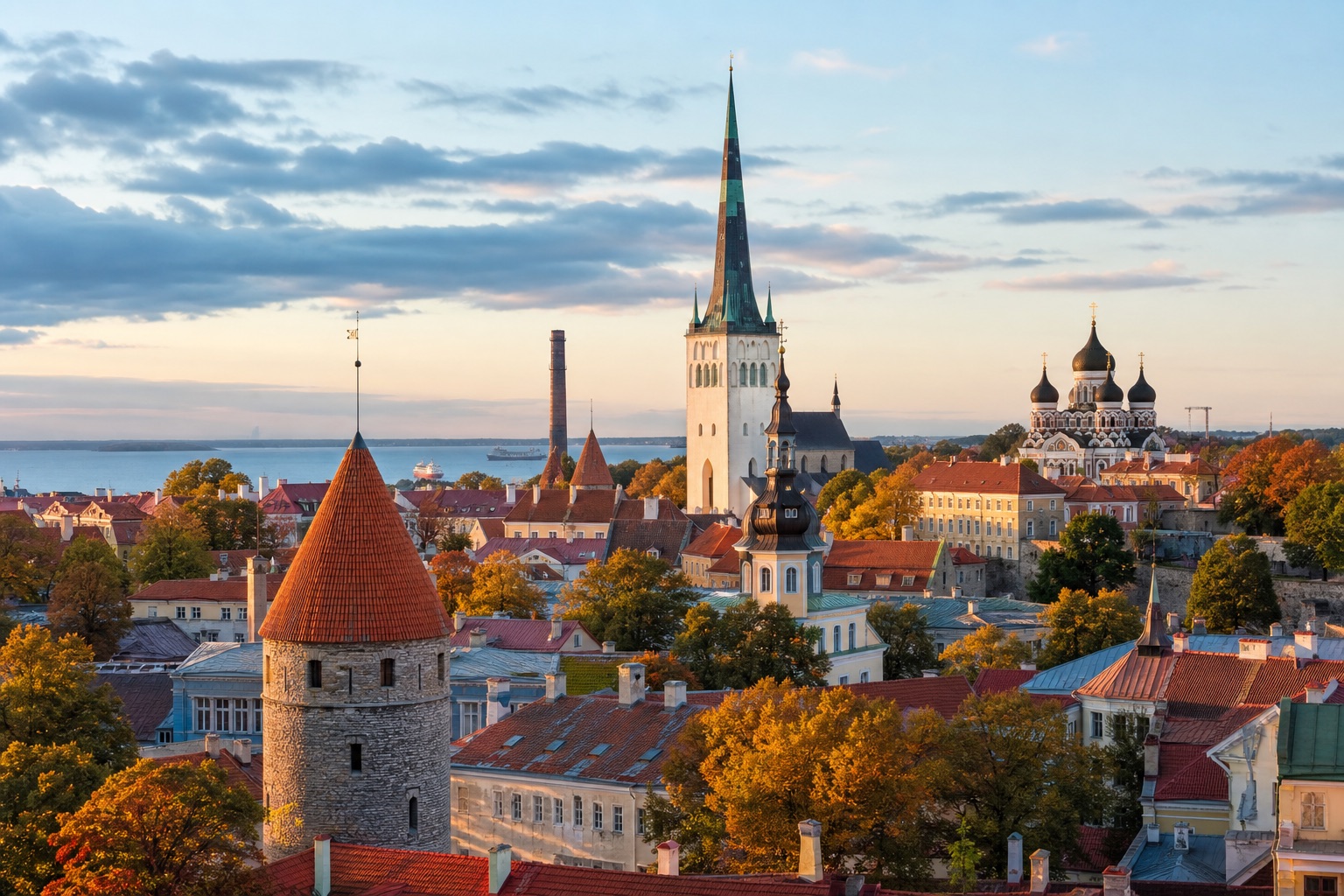
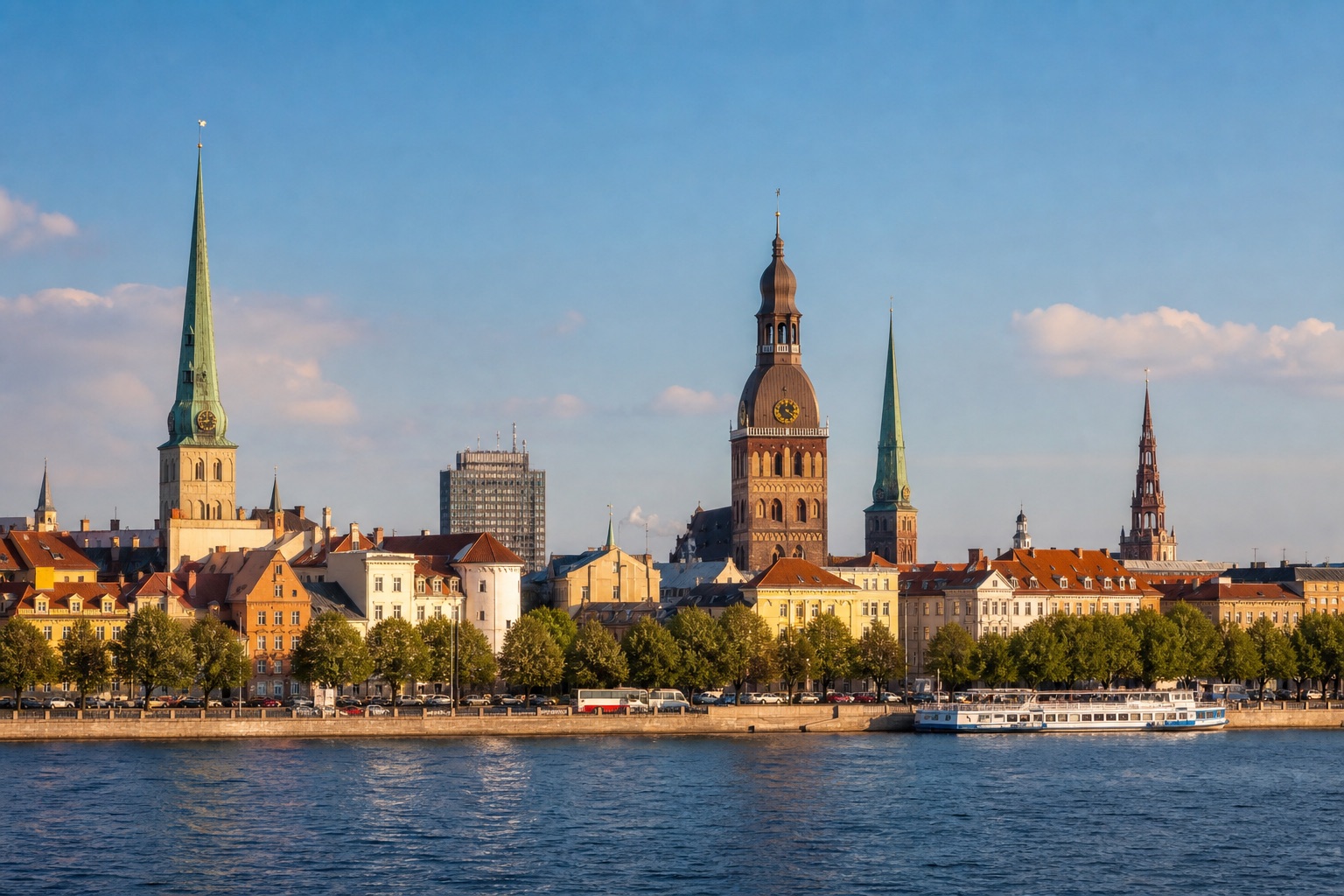
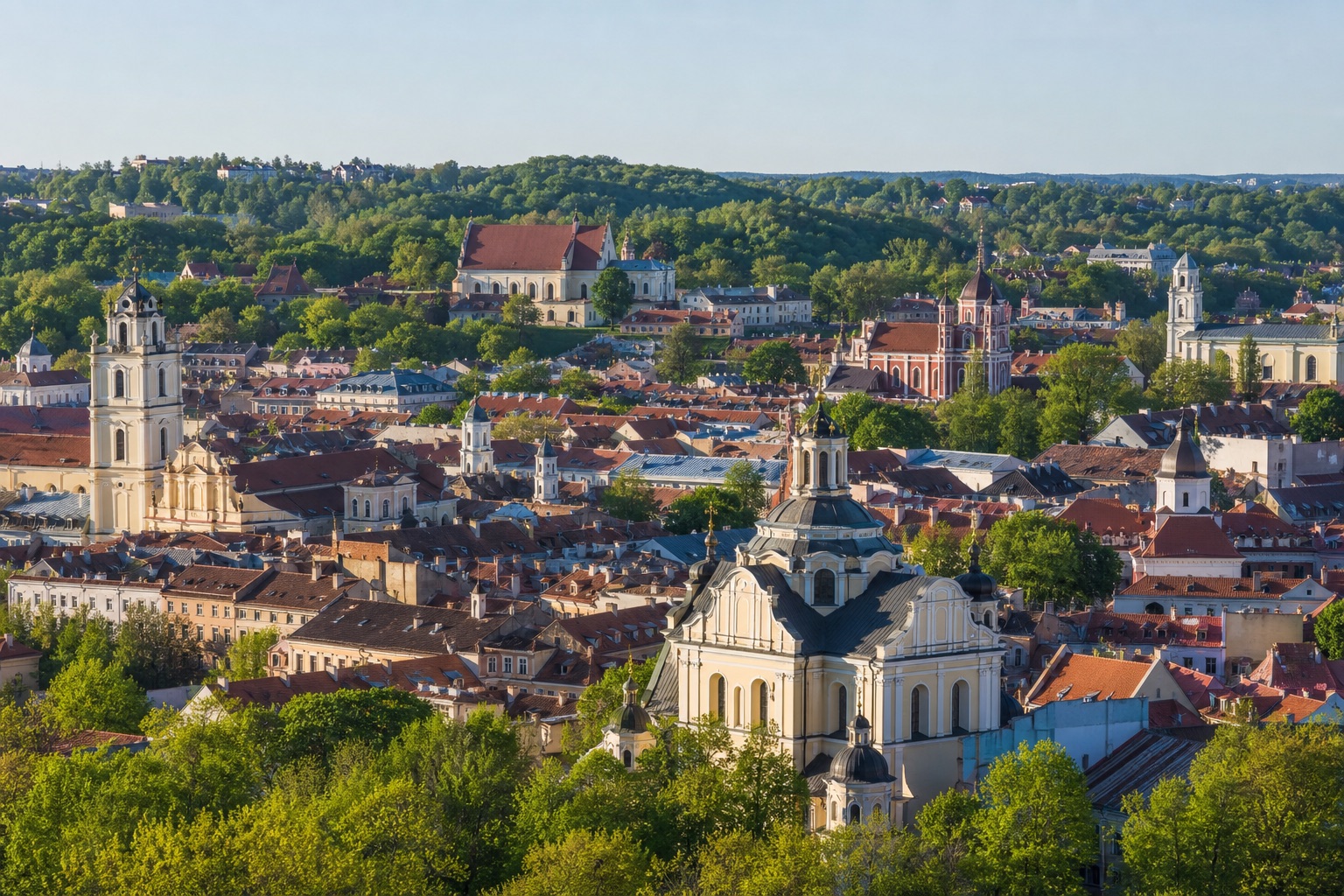
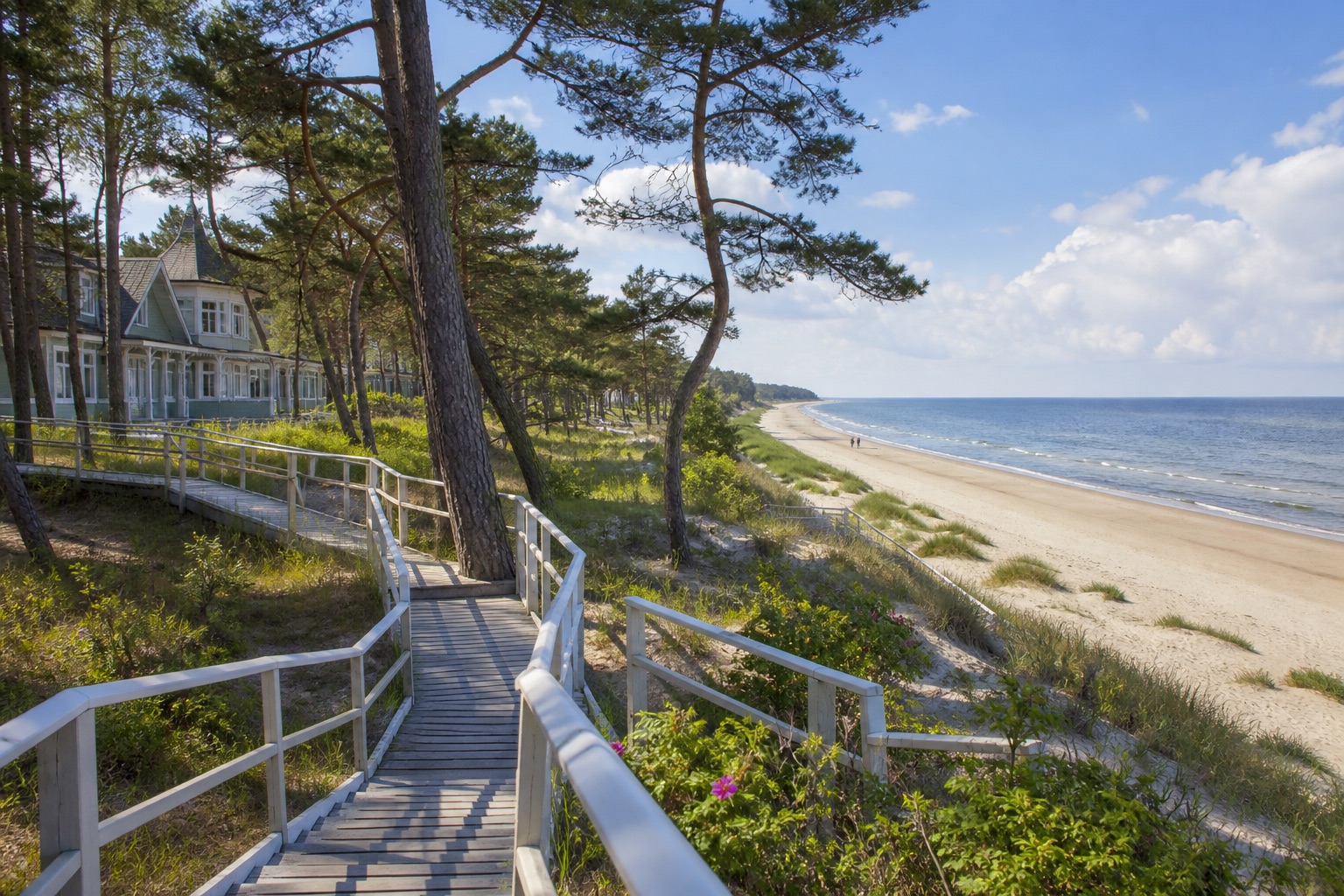
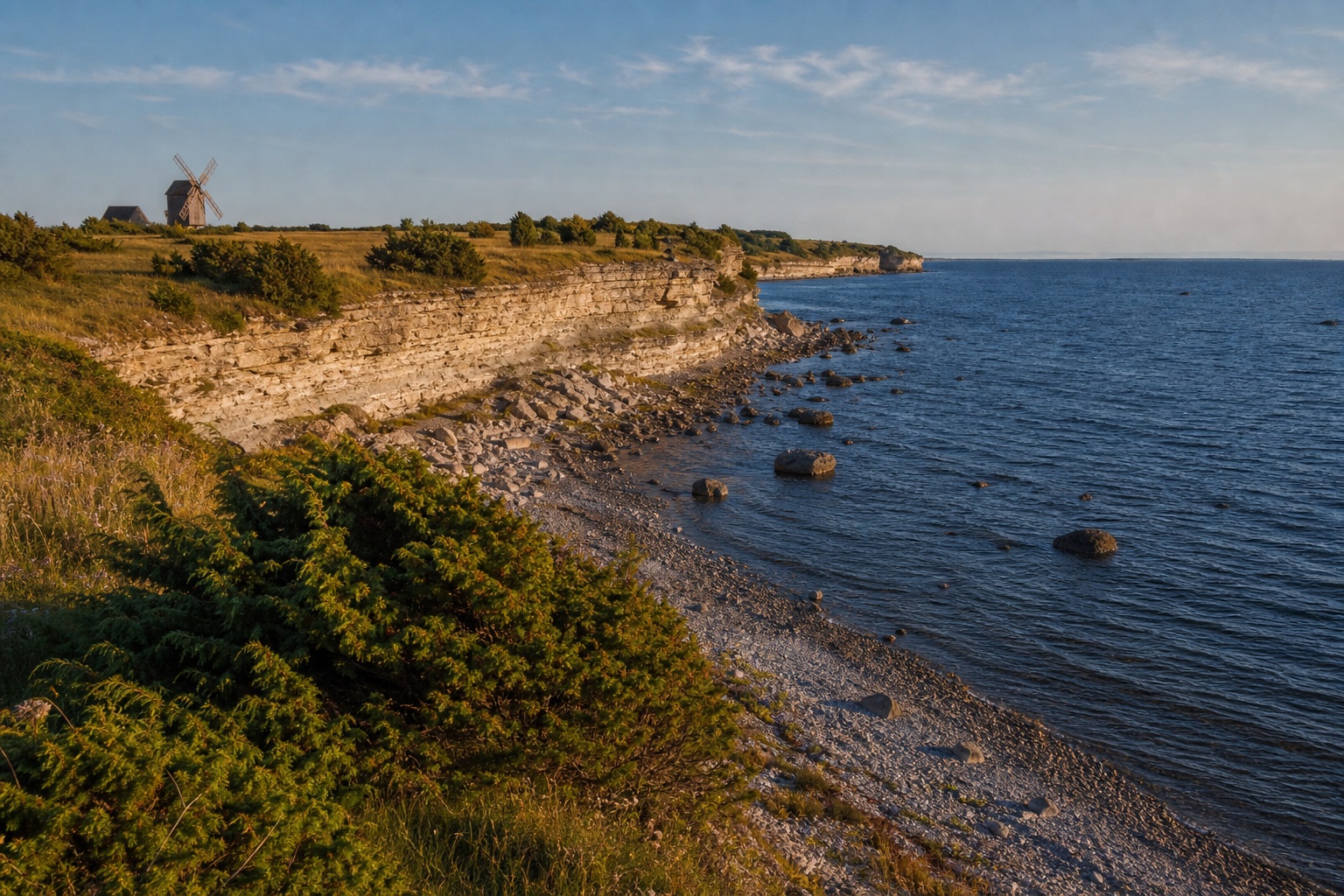
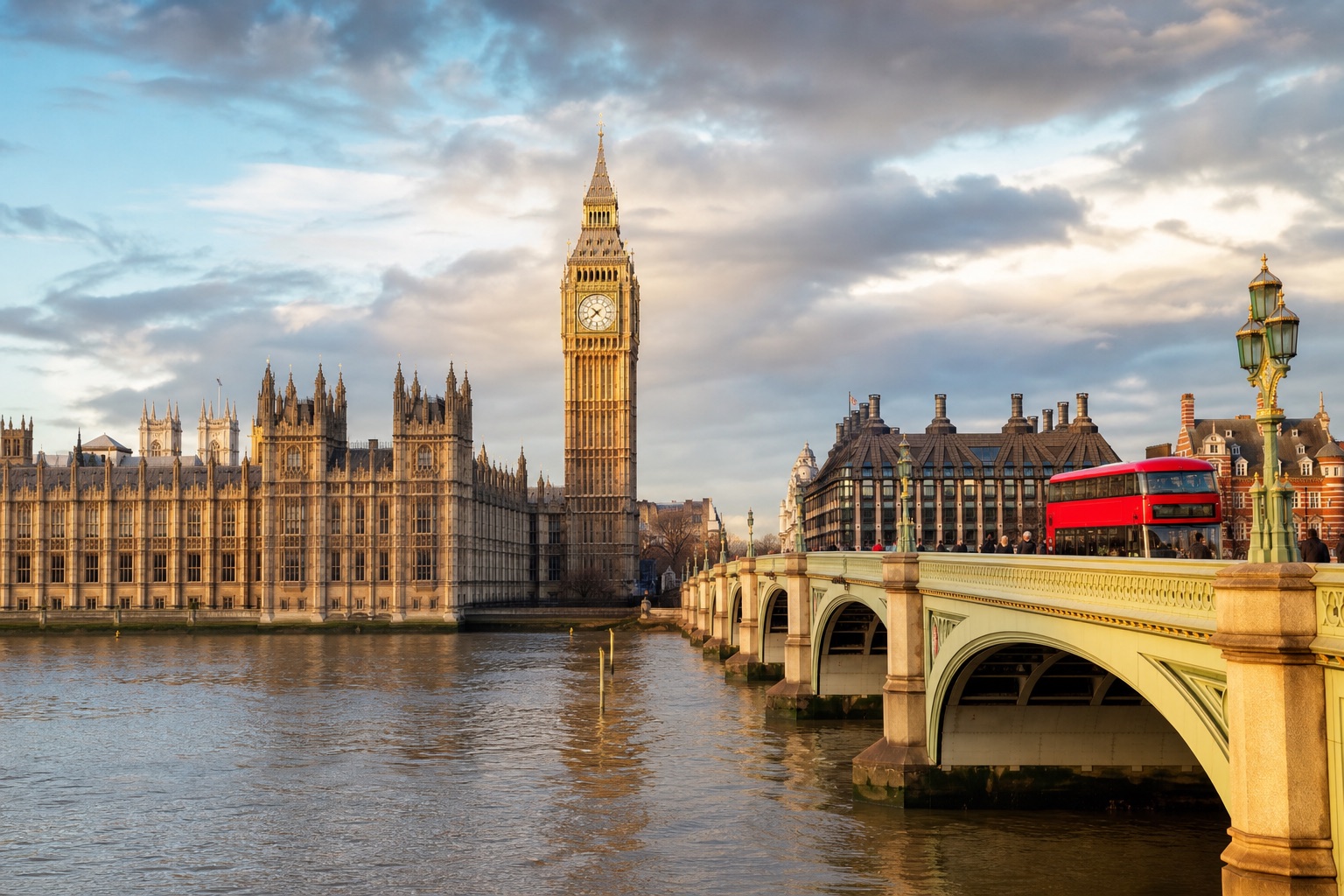
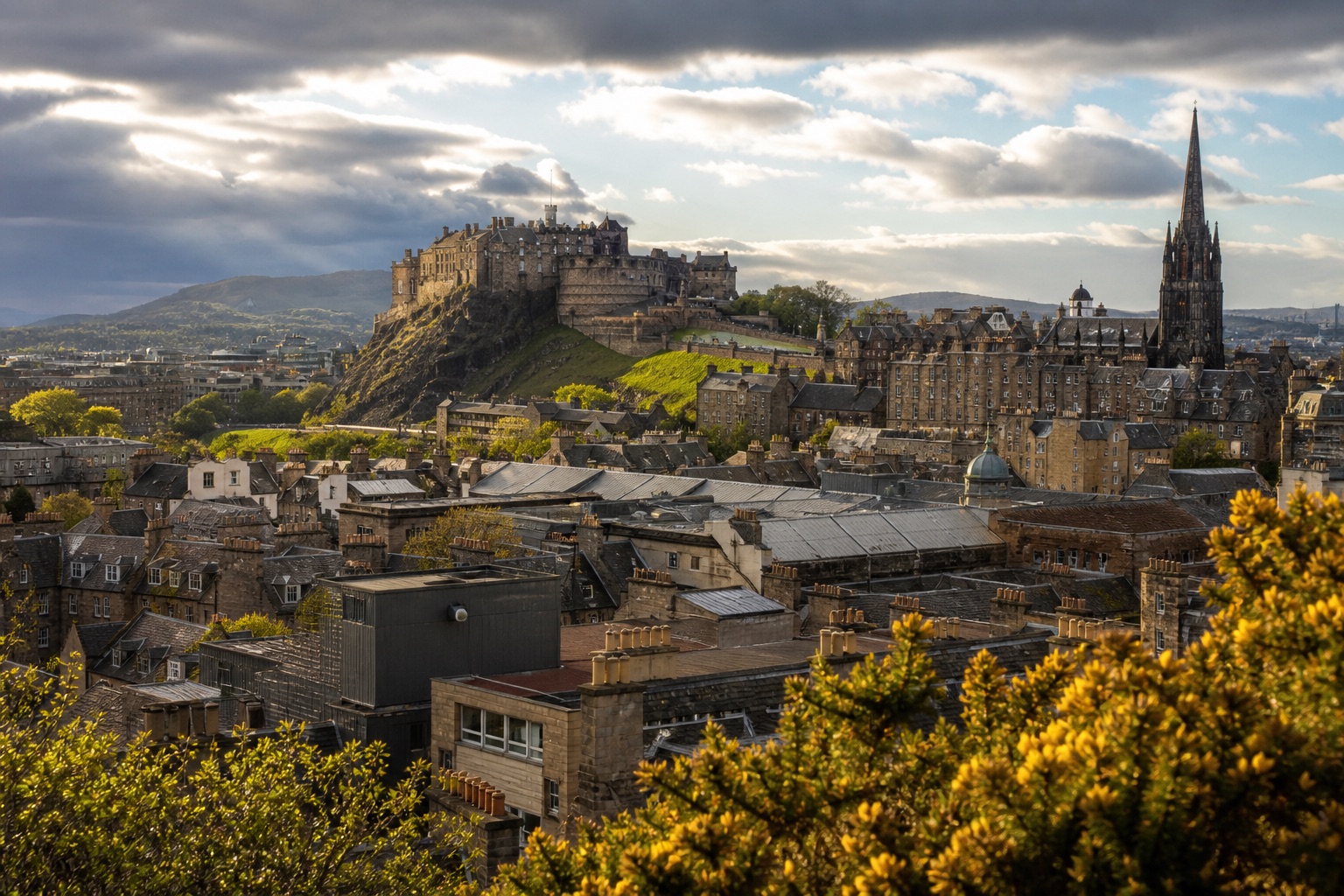
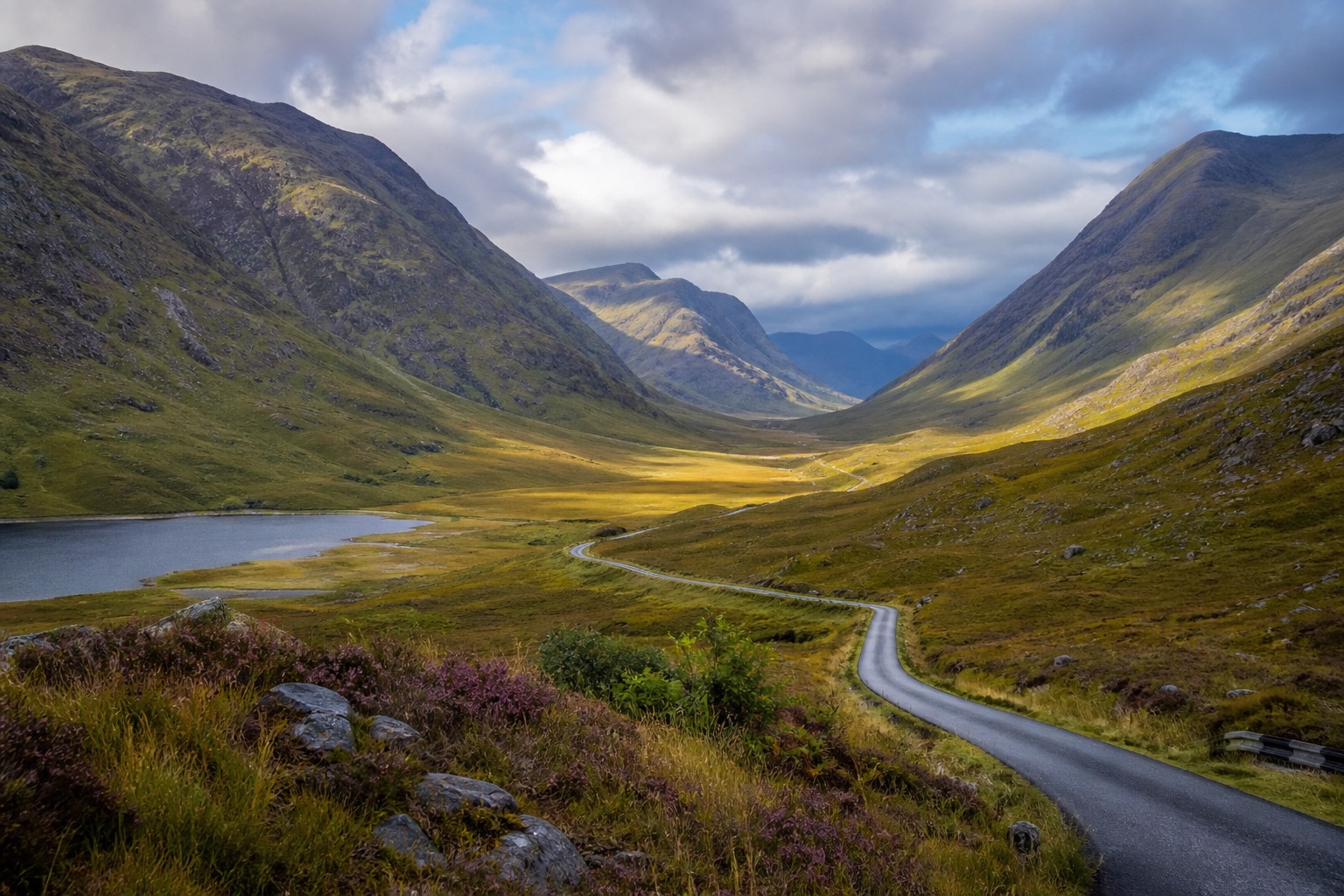
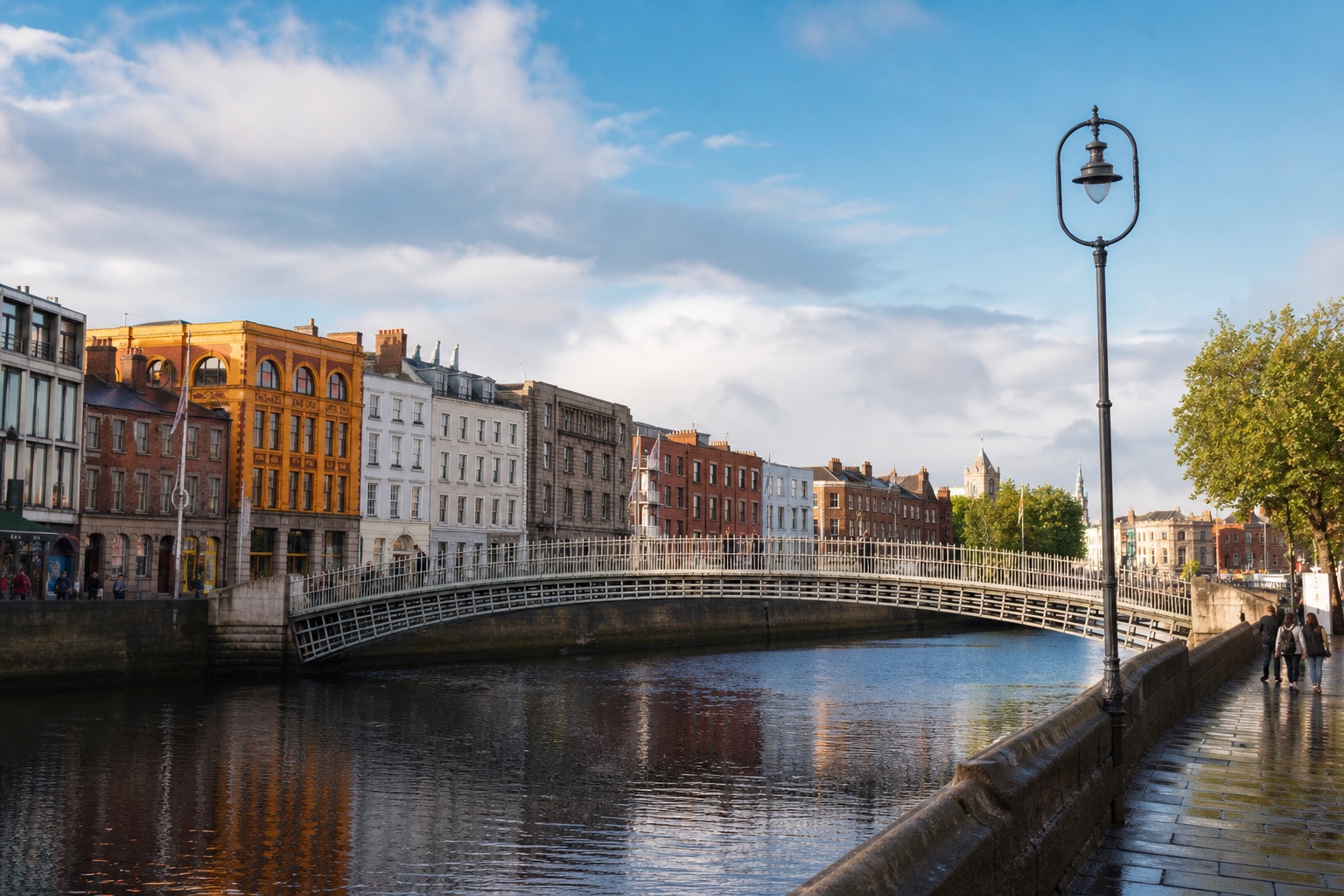
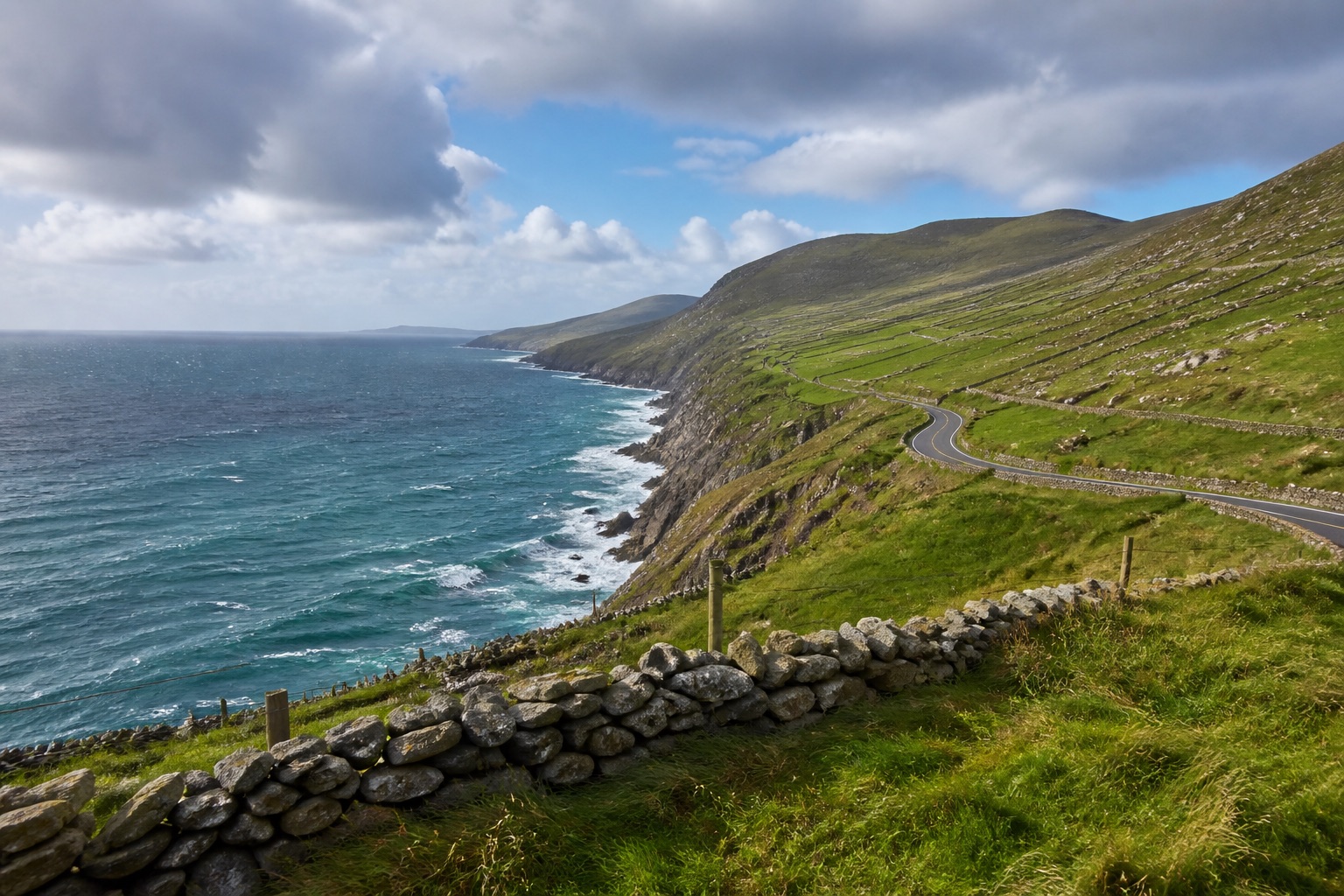
Use these recommendations as a basis for your plan: choose key experiences, compare regions, and check important trip details in advance.
Turquoise Bay and the Mountainous Coast of Mallorca
Volcano Teide and lava landscapes of Tenerife
The Malaga Coast and the Costa del Sol in Andalusia
In Italy, Spain, and Greece, choose a specific coastline and type of beach; the old town isn't always located by the sea.
In Tenerife and the Algarve, consider the wind, ocean swell, shoreline orientation, and actual access to the beach based on terrain.
Vienna, Prague, Budapest, Berlin, and Krakow are well connected by transport; a hotel near a metro station saves time.
Book popular museums in advance, and consider evening transportation and city taxes when choosing a neighborhood.
Croatia, Montenegro, Albania, Serbia, and Bosnia have different entry regulations; check parking and road conditions.
In Switzerland, Austria, France and Italy, the altitude of the resort, the season of the ski lifts and the transport pass are important.
In summer, book in advance; in winter, choose a flexible program due to the weather and short days.
It is convenient to connect Tallinn, Riga and Vilnius by bus, leaving at least two nights for each city.
This has its own visa and transport logic; areas near the railway are convenient for travel outside the capital.
First, determine the main region and pace, then buy an international flight.
Check whether all countries on your route are part of the Schengen area and whether your visa allows re-entry.
Check the carry-on baggage allowance for each low-cost airline separately.
Please note that city tourist tax, paid seat reservations and airport transfer costs are included.
On Sundays and holidays, check the hours of shops, museums and transport.
For trains, compare non-refundable early bird fares with flexible tickets and rail passes.
Take out travel insurance that is suitable for the countries you are traveling to and the activities you plan to do.
The best hotel is the one that suits your group, itinerary, and expectations. A name and category without context don't guarantee a comfortable stay.
Check not the straight-line distance to the center, but the time it takes to get to the main places by metro, tram, or on foot.
Check the type of beach, the season the resort infrastructure is open, the city tax, and the cost of sun loungers or transfers.
A hotel near the desired station helps if you're catching an early train, but station areas vary in atmosphere.
Check key collection time, floor and elevator, final cleaning, deposit and guest check-in rules.
Contact us on WhatsApp. A specialist will confirm your dates, budget, travel group, and hotel preferences, and then help you compare suitable options.
Start with one country or two neighboring capitals connected by a direct train. Vienna and Budapest, Prague and Dresden, or Paris and Amsterdam are usually more straightforward than a crowded five-country tour.
Late fall, winter outside of holidays, and early spring are often the best times to book, but the season varies by location. Ski areas in winter and Mediterranean resorts in summer, on the other hand, are at their peak.
No. Many countries are part of the Schengen Area, but not all of Europe is. The UK, Ireland, and a number of other destinations have separate rules that should be checked before paying.
For distances of up to several hours, the train is often more convenient due to its central stations and the lack of a long transfer. For longer journeys, flying is faster, but you need to factor in luggage and travel to the airport.
For a 7-10-day trip, one or two countries or two or three cities is usually sufficient. A more dense itinerary increases costs and leaves little time for the destinations themselves.
Family-friendly areas in Greece, Spain, Italy, Cyprus, and the Balkans are ideal for the sea; compact locations with convenient transportation are ideal for city breaks. Direct flights, short transfer times, cuisine, and the age of children are important factors.
You can also organize your trip yourself and buy flights from Bishkek. Select a major or tourist city to see available dates, recently found prices, and options for flights with or without transfers.
Schedules, availability, and prices vary depending on your search date. For resorts without their own airport, please factor in an additional transfer from your destination city.
View the complete itinerary logic: duration, stop order, transfers, and important details before booking.
Climate and tourist information is verified with the destination's official portals. Please double-check entry regulations, schedules, and prices before purchasing.
Enter your dates, budget, and group of travelers. Turayka will show you options, and an MTravel specialist will help you check and book a suitable tour from Kyrgyzstan.