
Route from Kyrgyzstan
Compare flights from Bishkek, connections, arrival airports, and transfers. Estimated flight duration: 6–10 nights.


Powdery snow in winter, blooming fields in summer and the vast northern nature
Hokkaido is vast: Sapporo, Niseko, Furano, and the eastern parks can't be considered neighboring resorts. Choose one cluster per season.
A winter trip requires a transfer, appropriate clothing, and advance booking. In summer, a car offers freedom, but distances remain significant.
Japan stretches from north to south, so there is no single season. Hokkaido enjoys snowy winters and mild summers, central Honshu has four distinct seasons, and Okinawa has a subtropical climate. Rainy seasons and typhoon risk vary by region; check the forecast before each move.
For relaxation on Hokkaido Compare the route from Kyrgyzstan, season, region, hotel location, and included services. This will make it easier to choose a tour that fits your budget and travel plan.
Compare flights from Bishkek, connections, arrival airports, and transfers. Estimated flight duration: 6–10 nights.
Sapporo and Otaru. Urban base, cuisine, festivals and short trips. Compare this option with other areas of the resort before choosing a hotel.
Check the transfer to the ski lift. Check out equipment storage and rental.
The layout of the districts, beaches, transportation, food, and travel itinerary are the most important things to know before choosing a tour.
After arriving, allow time for travel and choose one ski area. Daily commutes between Niseko and Furano are inefficient.
One night in Sapporo before or after the resort protects the international connection from snowfall and adds a culinary program.
Fields, lakes, and eastern parks require a car or occasional buses. The route is built by sectors, not by all the photographs at once.
Bears, foxes, and birds are observed from a distance. Do not feed the animals and follow national park instructions.
The photographs show different aspects of the destination: the coast, the natural landscape, the urban environment and the nature of the trip outside the hotel.
A ready-made guide for planning: what to include in the itinerary and what details to clarify before booking and departure.
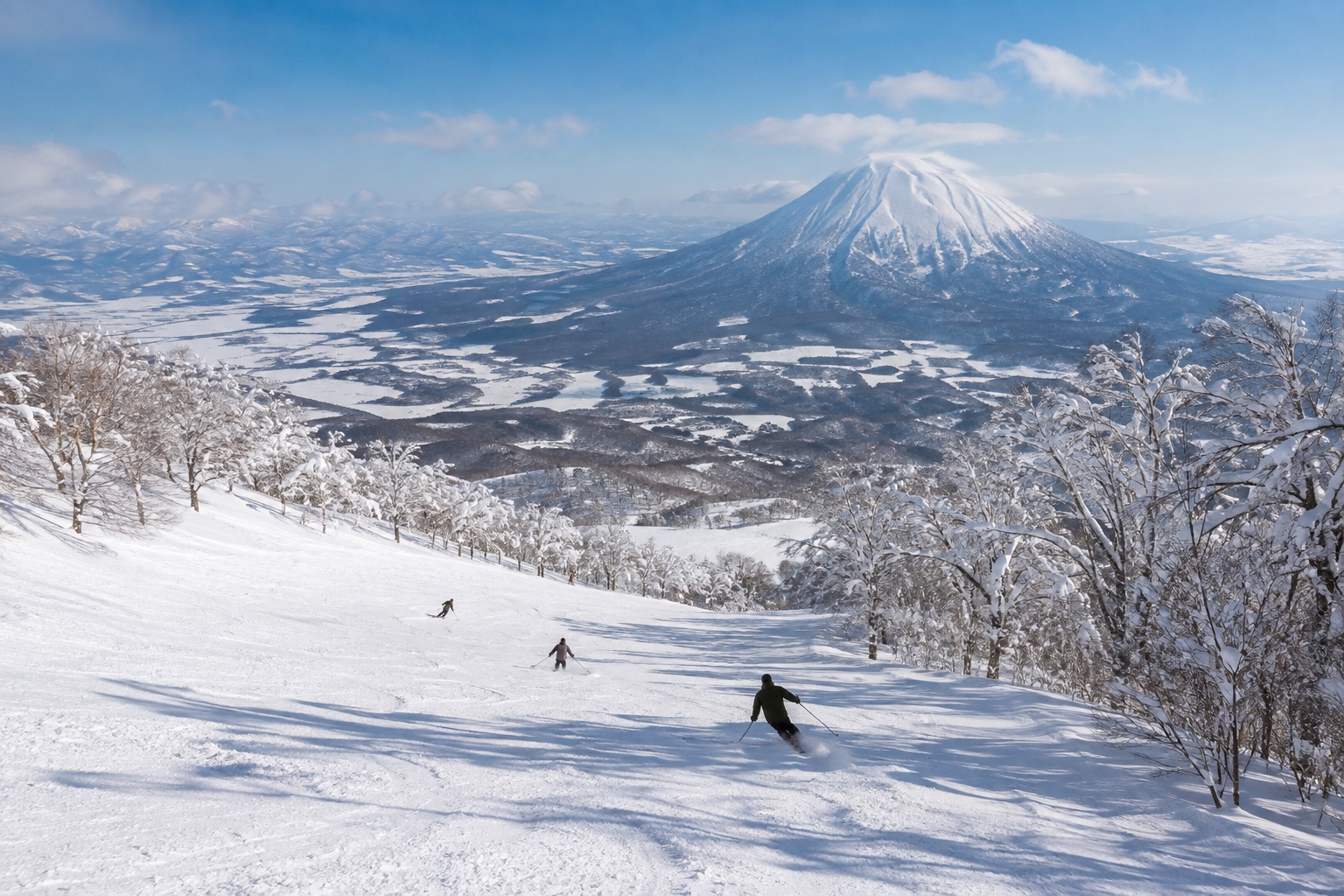
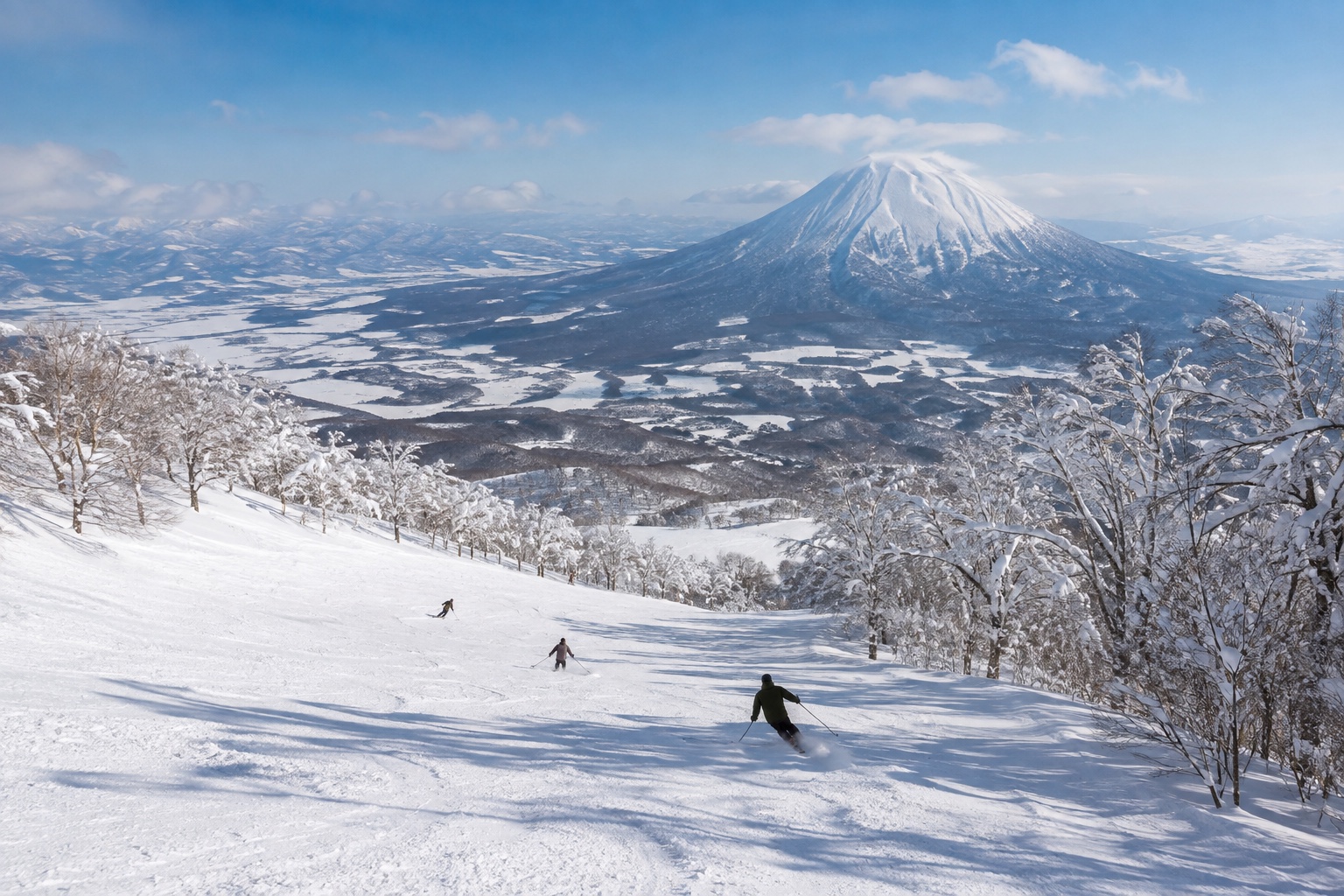
Snowy slopes of Niseko and Mount Yotei
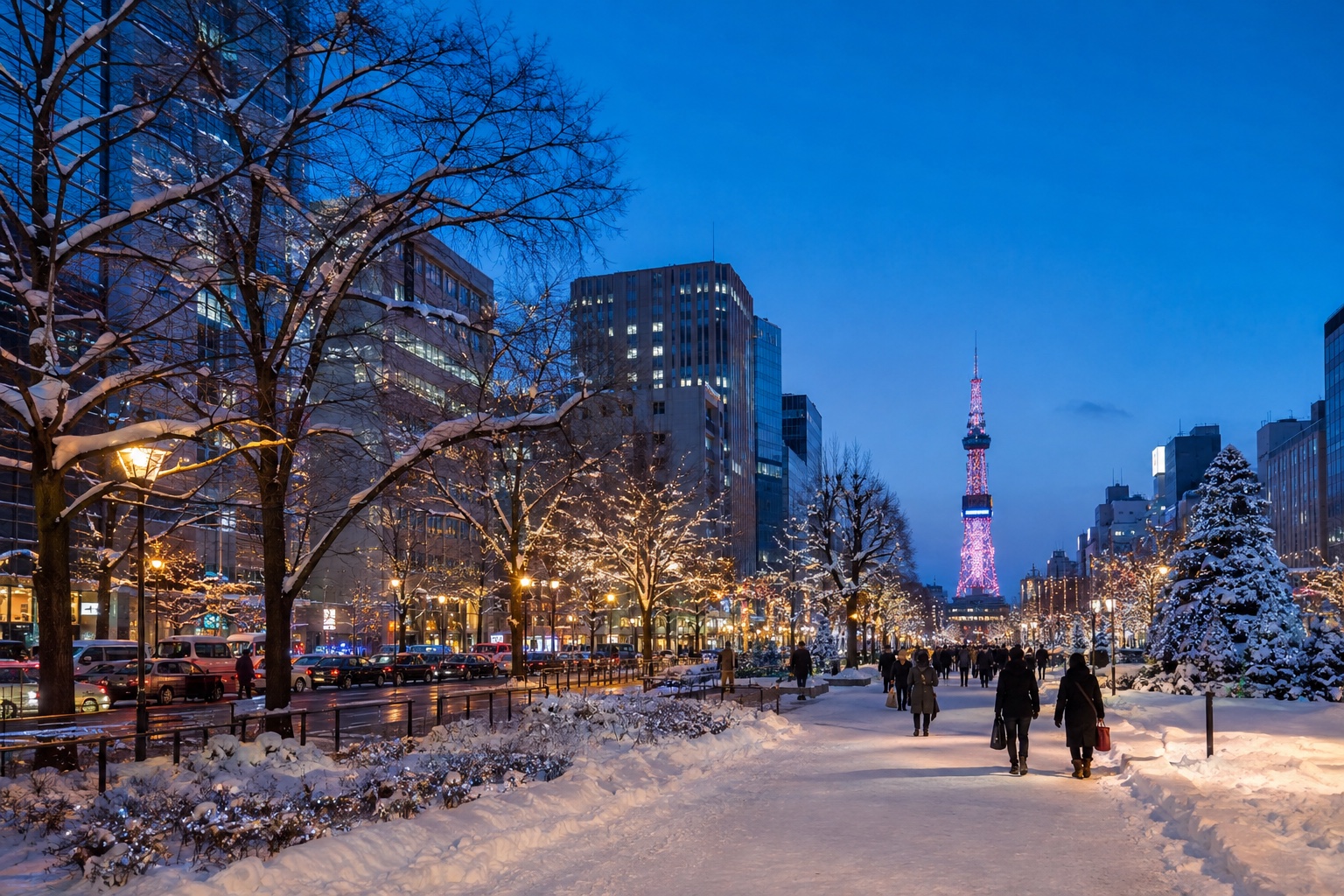
Winter Sapporo in the evening
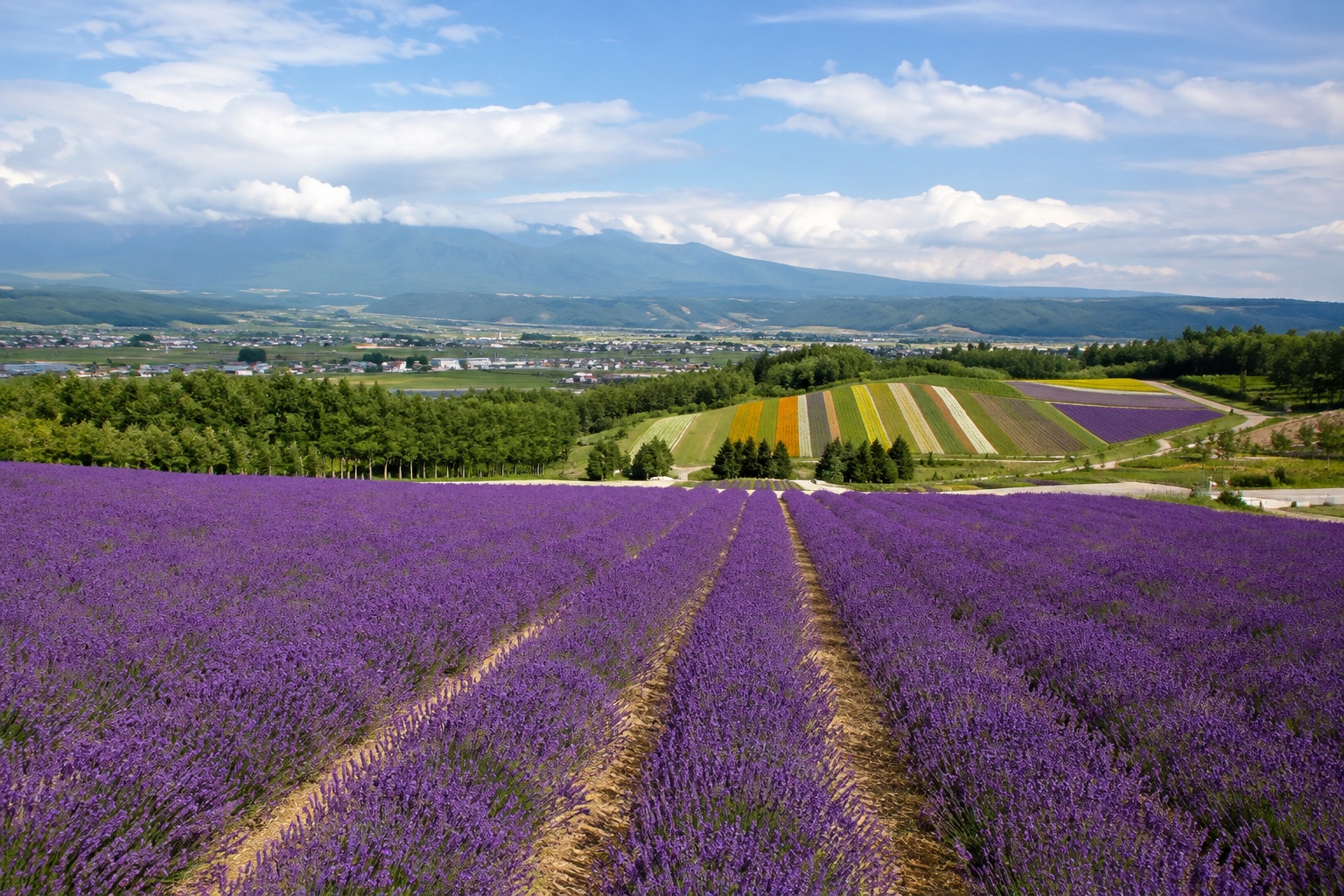
Lavender fields of Furano in summer
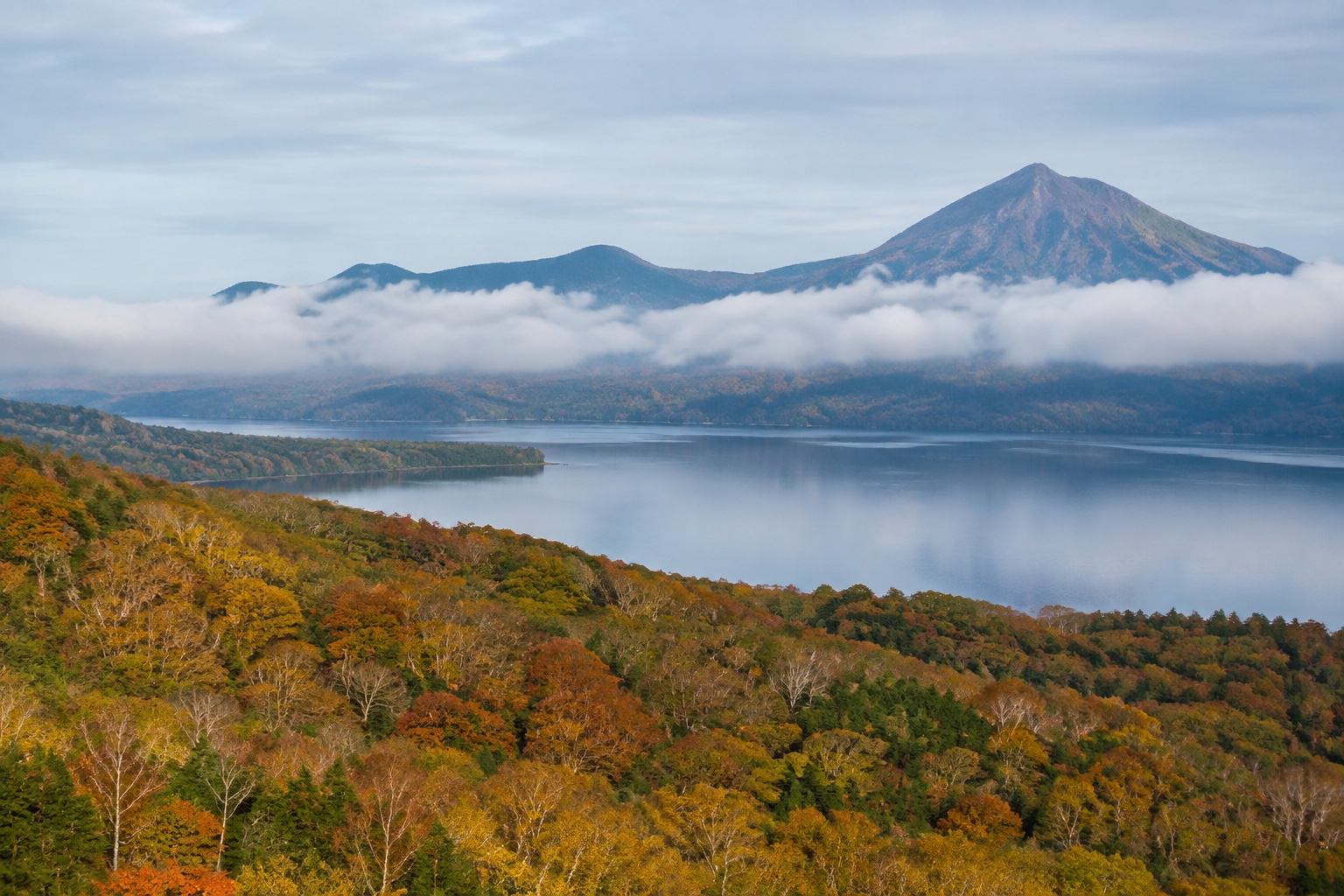
Lake and mountains of eastern Hokkaido in autumn
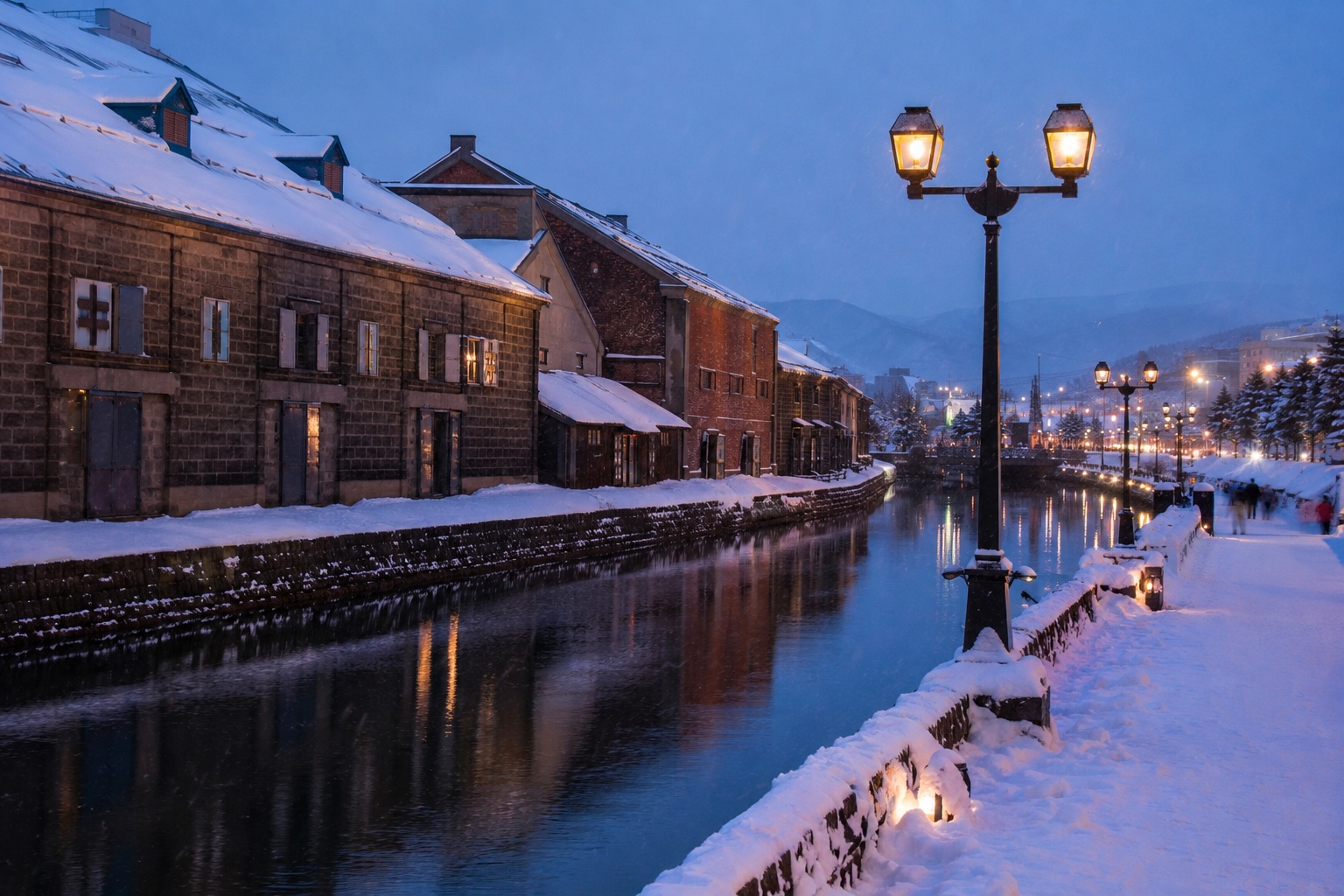
Otaru, the canal and historic warehouses in winter
Don't underestimate the winter cold.
Store some supplies for snowfall.
Check your International Driving Permit.
Do not approach wild animals.
Compare areas by atmosphere, infrastructure and holiday format before choosing a specific hotel.
Urban base, cuisine, festivals and short trips.
Skiing, international infrastructure and high winter occupancy.
Summer fields, winter slopes and car routes.
Sakura blossoms move from south to north, and the exact dates change annually. Hotels and transportation are booked in advance for popular weeks.
Most central regions are hot and humid, with rainfall occurring early in summer. Hokkaido is cooler, and the mountainous regions are ideal for enjoying nature.
After a hot start to the season, comfortable weather and autumn foliage arrive. In September and October, typhoons and transportation changes are a consideration.
Hokkaido and the Japanese Alps offer snow and skiing, the cities are quieter after the holidays, and the south and Okinawa have milder weather.
The hotel category does not replace the verification of the beach, location, room and actual included services.
Check the transfer to the ski lift.
Check out equipment storage and rental.
Check winter transport cancellations.
This is a guide for a logical trip: the exact order depends on the length of the tour, the season, and the time of arrival.
Market, museum and preparation for the next stage.
Several full days without changing base.
Short trip depending on season and weather.
Turayka will take into account the traveler mix, budget, diet, and hotel requirements. If automatic selection isn't enough, a specialist will step in.
The main winter season depends on the resort and snow conditions; popular dates are booked in advance.
Yes, for the mild weather, fields, lakes, and trekking. The route is different from the winter one.
It's possible for a long trip, but moving takes time and requires separate logistics.
Most often via Sapporo and New Chitose Airport, then transfer to the selected cluster.
Yes, if the resort has a school and suitable slopes. It's best to arrange transfers, rentals, and lessons before arrival.
Describe your dates, travelers, and vacation preferences—Turaika will prepare options for review.