
Route from Kyrgyzstan
Compare flights from Bishkek, connections, arrival airports, and transfers. Estimated flight duration: 3-5 nights.


Temples, gardens, traditional streets and the leisurely pace of the ancient capital
Kyoto cannot be fully explored in one day: the main areas are located in different parts of the city, and buses are overcrowded during the peak season.
Divide Higashiyama, Arashiyama, the northern temples, and Fushimi into separate blocks. An evening at a ryokan adds to the experience, but requires adherence to dinner times and bathing rules.
Japan stretches from north to south, so there is no single season. Hokkaido enjoys snowy winters and mild summers, central Honshu has four distinct seasons, and Okinawa has a subtropical climate. Rainy seasons and typhoon risk vary by region; check the forecast before each move.
For relaxation V Kyoto Compare the route from Kyrgyzstan, season, region, hotel location, and included services. This will make it easier to choose a tour that fits your budget and travel plan.
Compare flights from Bishkek, connections, arrival airports, and transfers. Estimated flight duration: 3-5 nights.
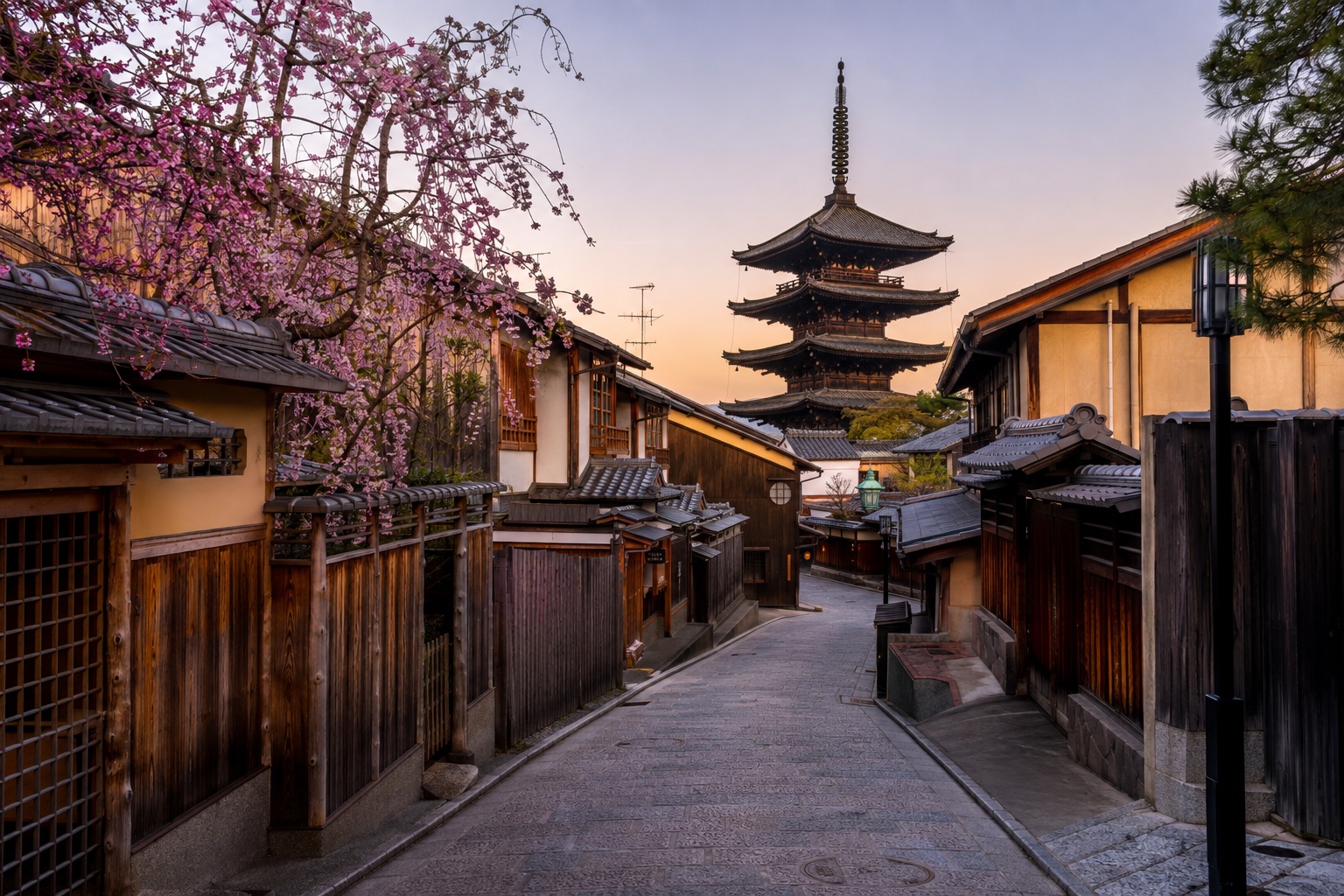
Higashiyama and Gion. Historic streets, temples and evening atmosphere. Compare this option with other areas of the resort before choosing a hotel.
Check your transportation before the morning route. For a ryokan, ask about dinner, futon, and bath.
The layout of the districts, beaches, transportation, food, and travel itinerary are the most important things to know before choosing a tour.
Higashiyama, Arashiyama, the northwestern temples, and the southern area around Fushimi lie in different directions. Dividing into sections saves time.
Many complexes close before city infrastructure. Put the main attraction first, leaving the evening to the neighborhoods and seasonal lighting.
A traditional overnight stay involves early check-in, dinner at a set time, and bathing rules. It's an experience in itself, not just a bed.
Uji, Ohara, and the northern part of the prefecture require their own itinerary. Don't automatically add them to your busy first visit.
The photographs show different aspects of the destination: the coast, the natural landscape, the urban environment and the nature of the trip outside the hotel.
A ready-made guide for planning: what to include in the itinerary and what details to clarify before booking and departure.
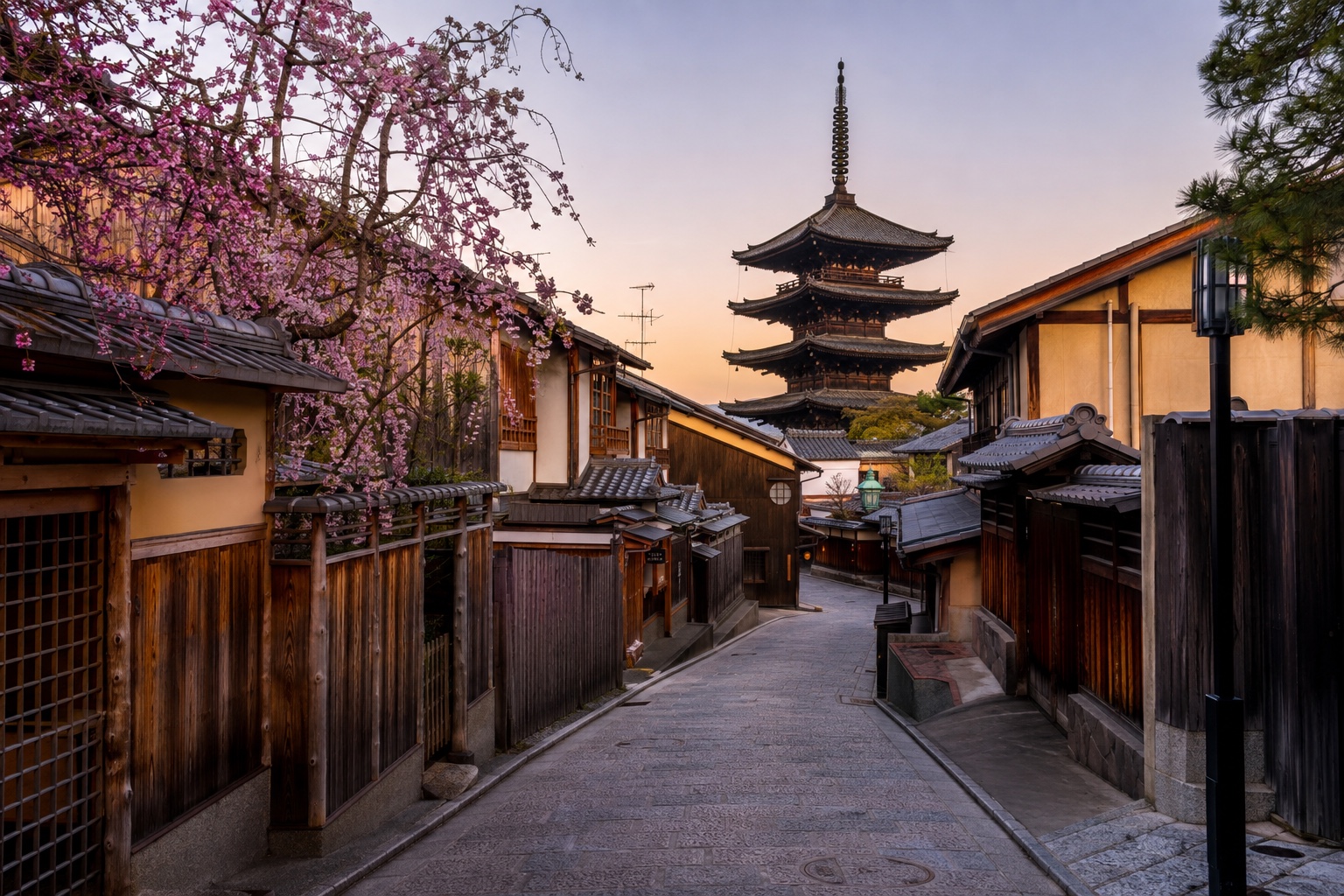
Yasaka Pagoda and Higashiyama Quarter in Kyoto
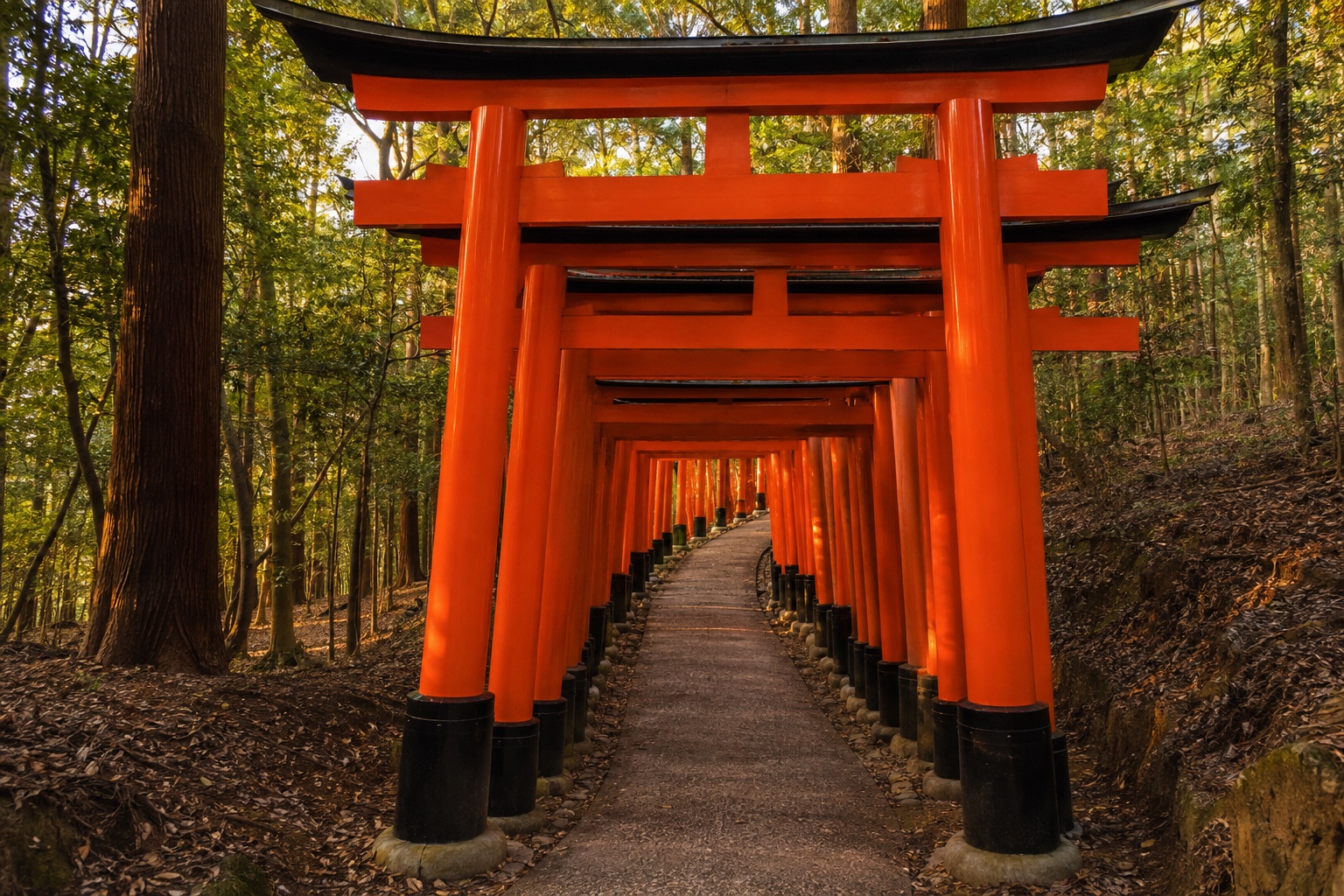
The red torii gate of Fushimi Inari Shrine
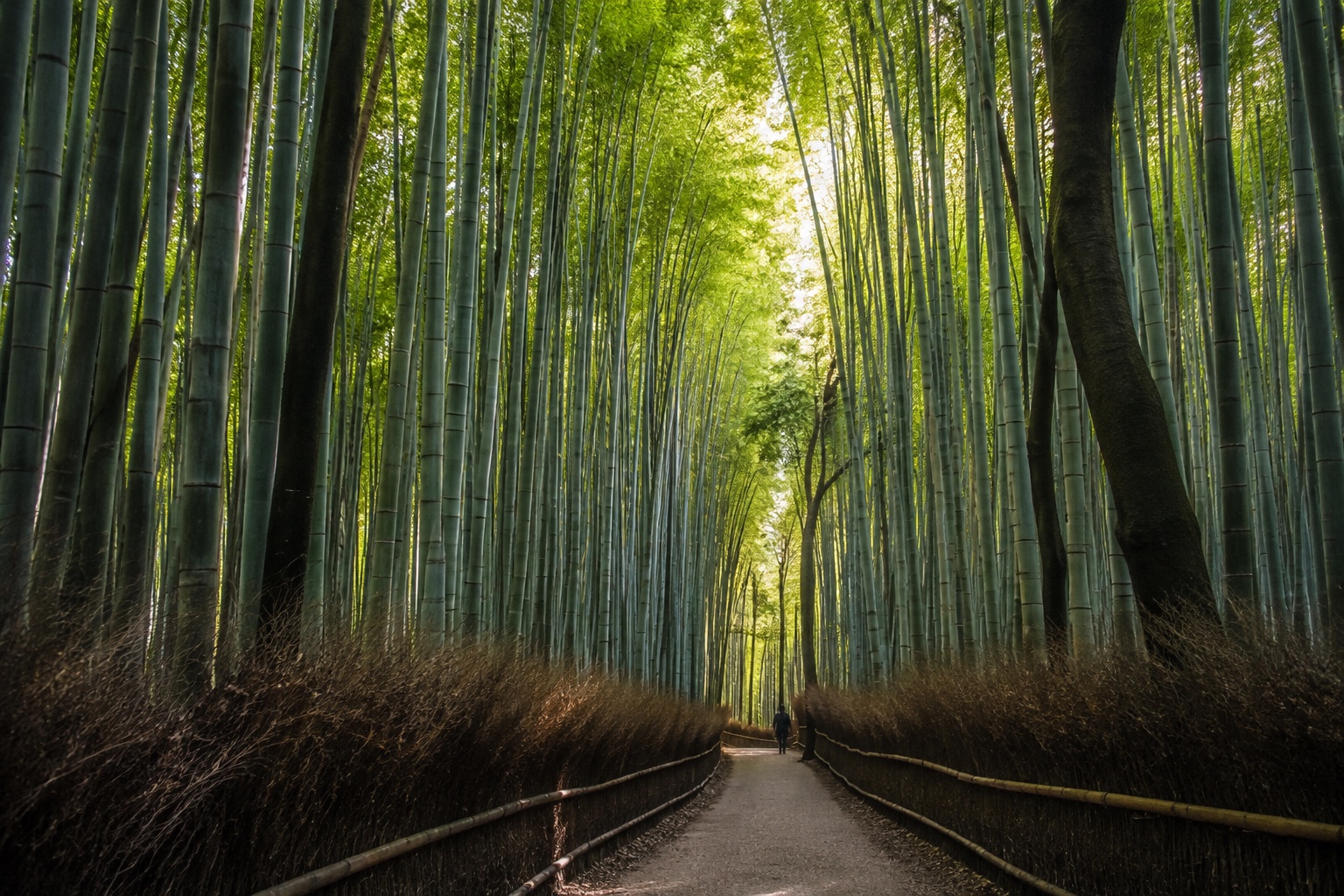
Arashiyama Bamboo Grove
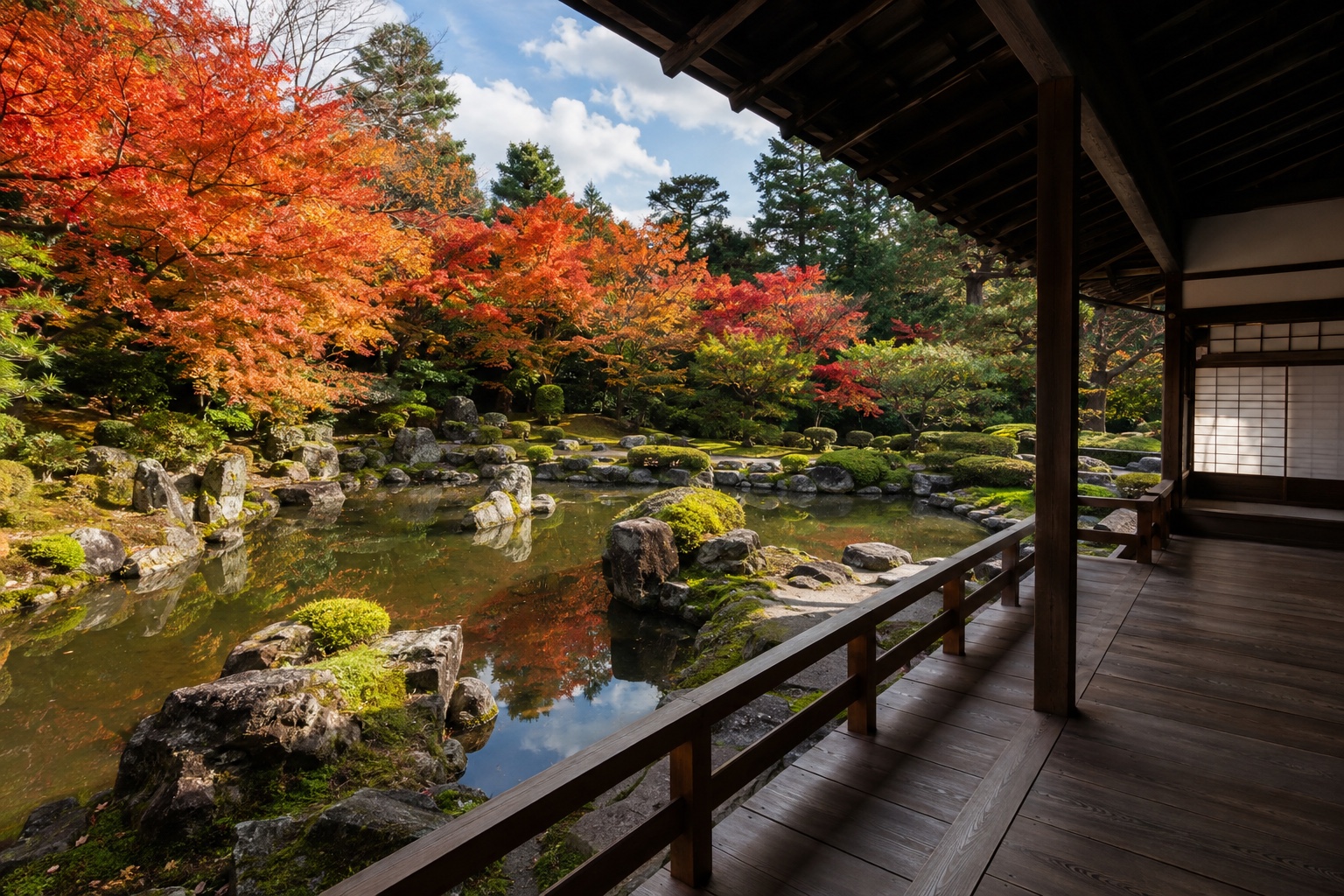
Kyoto garden and temple in autumn foliage
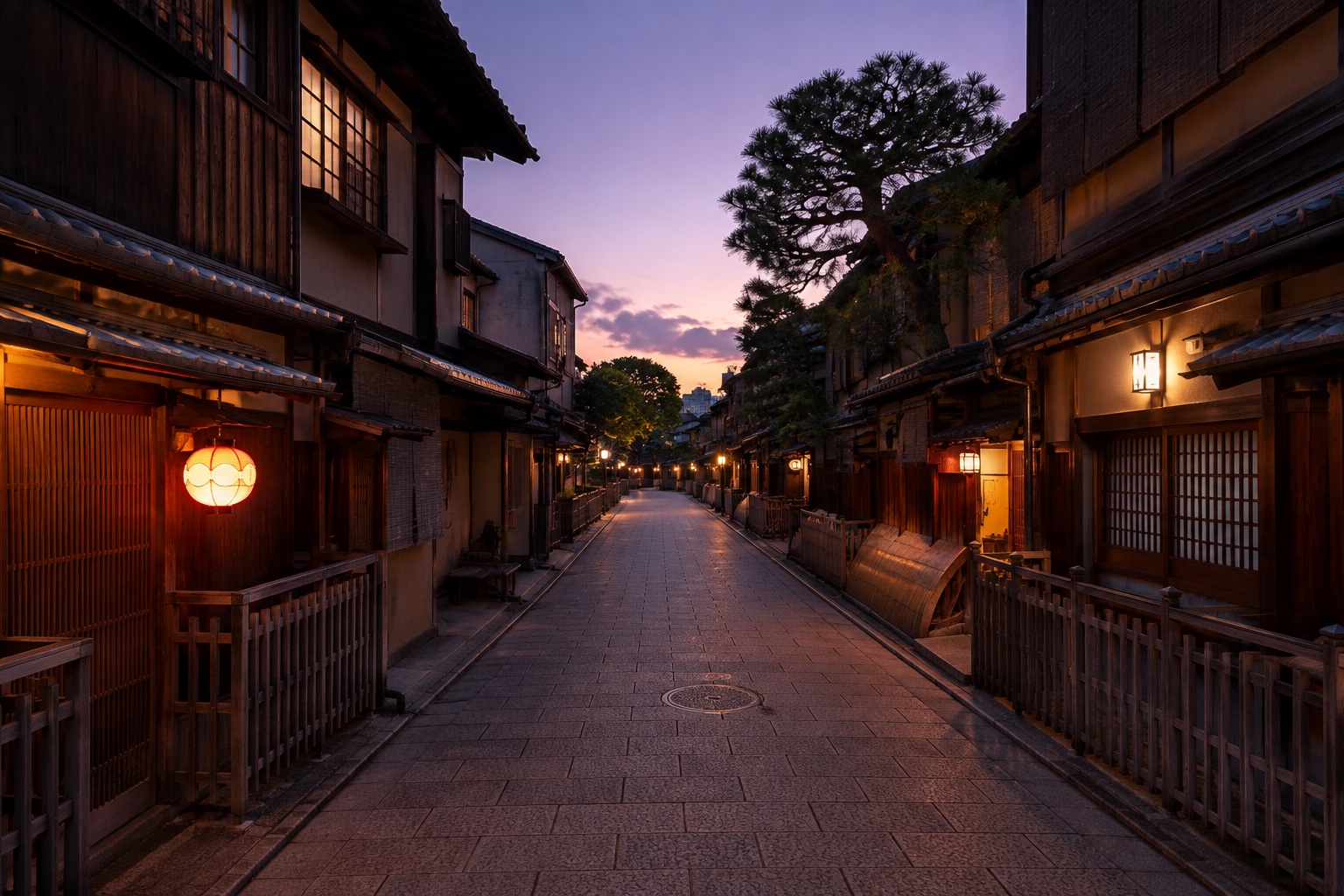
Traditional Gion street in the evening
Start popular temples early.
Take some routes by train instead of bus.
Don't take pictures of people without permission.
Wear comfortable shoes for cobblestone streets.
Compare areas by atmosphere, infrastructure and holiday format before choosing a specific hotel.
Historic streets, temples and evening atmosphere.
Convenient train, luggage and travel to Nara or Osaka.
Bamboo grove, gardens and a quieter overnight stay to the west.
Sakura blossoms move from south to north, and the exact dates change annually. Hotels and transportation are booked in advance for popular weeks.
Most central regions are hot and humid, with rainfall occurring early in summer. Hokkaido is cooler, and the mountainous regions are ideal for enjoying nature.
After a hot start to the season, comfortable weather and autumn foliage arrive. In September and October, typhoons and transportation changes are a consideration.
Hokkaido and the Japanese Alps offer snow and skiing, the cities are quieter after the holidays, and the south and Okinawa have milder weather.
The hotel category does not replace the verification of the beach, location, room and actual included services.
Check your transportation before the morning route.
For a ryokan, ask about dinner, futon, and bath.
Check baggage receipt and dispatch.
This is a guide for a logical trip: the exact order depends on the length of the tour, the season, and the time of arrival.
Early temple, historic streets and Gion in the evening.
Grove, garden and temple without returning through the whole city.
Fushimi Inari, sake district or Uji.
Turayka will take into account the traveler mix, budget, diet, and hotel requirements. If automatic selection isn't enough, a specialist will step in.
Three nights cover the main areas, four to five provide a more relaxed pace and a trip to Uji or Nara.
The station has more practical logistics, while Gion offers more atmospheric evening strolls. The choice depends on your itinerary.
Early mornings and evenings help, but popular spots remain busy during cherry blossom and fall foliage.
Yes, but a few nights allow you to see Kyoto before the day groups arrive and after they leave.
While not required, a themed guide helps to understand the rituals, gardens, and historical context rather than simply a list of photographs.
Describe your dates, travelers, and vacation preferences—Turaika will prepare options for review.