Two cities
Tokyo and Kyoto or Tokyo and Osaka without the congested third crossing.


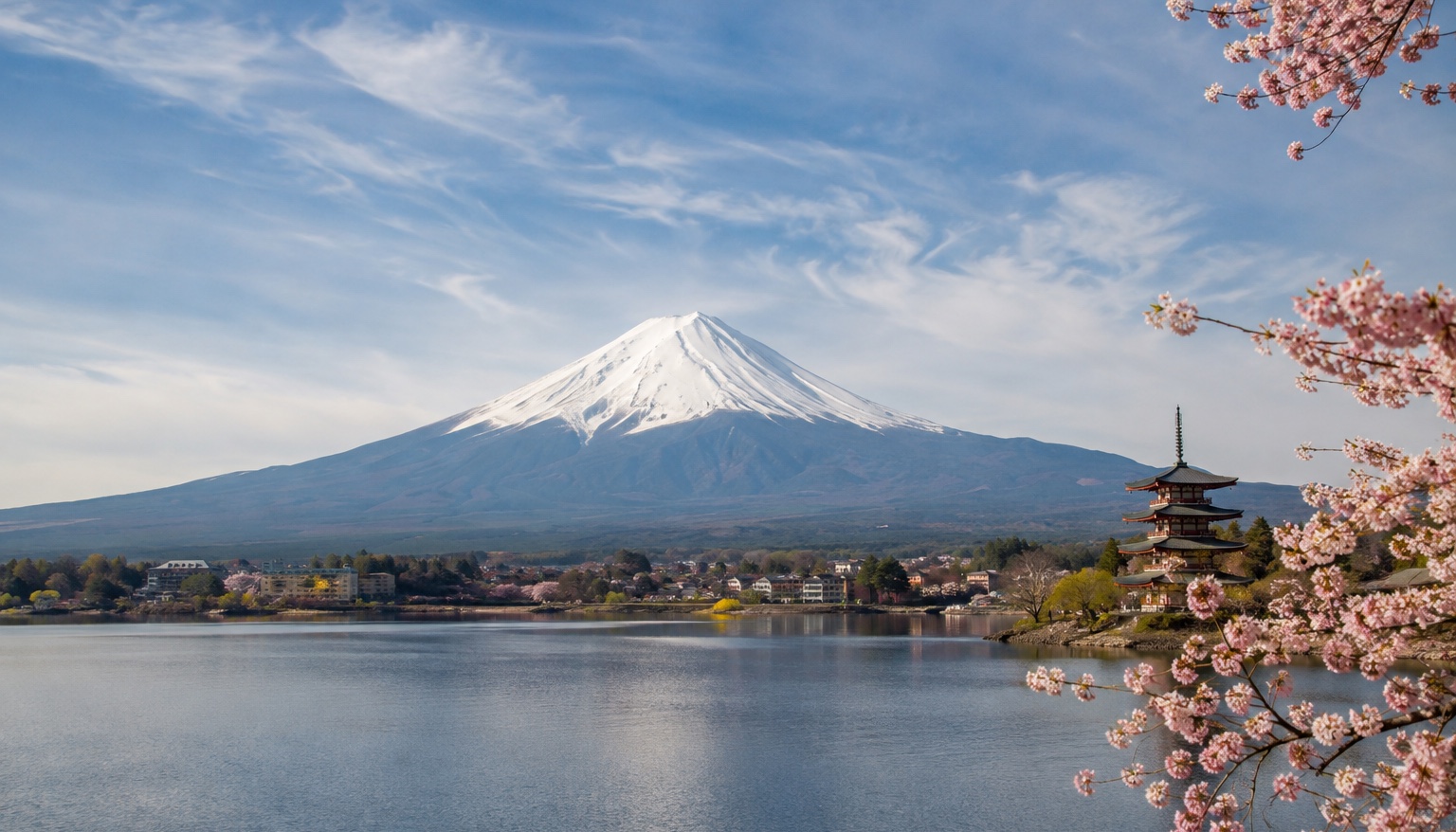
Modern Tokyo, historic Kyoto, and gastronomic Osaka with logical transfers and accommodations near transport hubs.
The Tokyo-Kyoto-Osaka route introduces three distinct characters of Japan and is suitable for a first long trip from Kyrgyzstan. It's convenient to build a linear route, without returning to the starting city, if your airfare allows you to arrive and depart from different airports.
The primary consideration when planning a trip isn't the number of attractions, but convenient areas to stay in and a realistic pace. A hotel near convenient transportation saves time each day, and available travel windows allow you to tailor your itinerary to the weather and your mood.
Days can be rearranged or shortened. The final itinerary is compiled after checking the schedule, accommodations, and transportation for your dates.
The program connects traditional neighborhoods, panoramic views, and modern areas without the need to cross the city several times a day.
Travel by high-speed train. Baggage allowance and hotel location are taken into account in advance.
Morning excursions to popular spots, walking areas, and a separate day for Nara or another route based on your interests.
A short train ride and accommodations closer to the area for evening strolls or convenient access to the airport.
City program and possible trip to Kobe, Himeji or another nearby city.
The international flight schedule determines whether an extra night is needed before departure.
The best option depends not on the maximum number of points, but on how much full time remains between moves.
Tokyo and Kyoto or Tokyo and Osaka without the congested third crossing.
Three cities and one trip to the surrounding area with reasonable time for adaptation.
You can add Hiroshima, Miyajima, Kanazawa or the Fuji area with an overnight stay.
These details determine how smoothly the trip will go. The specialist checks them as a whole.
Flying into Tokyo and out of Osaka may eliminate unnecessary refunds, but is compared to available fares for specific dates.
Not every pass is suitable for every route. The cost of the desired trips is compared, not the popularity of a particular pass.
Special conditions may apply for large suitcases. Sometimes it's more convenient to ship your luggage between hotels in advance.
The choice of station is more important than the formal distance to the city center: it affects daily transfers and the route to the airport.
Please consult detailed travel guides, flight route pages, and entry regulations. Before paying, double-check the requirements with official sources.
Practical answers about duration, relocation and individual selection.
A reasonable minimum is 10 days, while a comfortable 12-14 is ideal. It's best to spend a shorter period of time in two cities to avoid the trip becoming a series of stops.
No. The benefits depend on specific trips and the time period during which they are taken. A specialist will compare individual tickets and available travel card options.
The linear route conveniently ends in Osaka, but the final decision depends on international fares and schedules for the travel dates.
Yes. It shows the modern, historical, and gastronomic sides of the country, if you leave enough time in each city.
Yes. Nara is usually added from Kyoto or Osaka, while the Fuji area requires separate consideration of transportation, weather, and the feasibility of overnight stays.
Enter your dates, number of travelers, children's ages, desired hotel level, and budget. A specialist will review your details and suggest available options.